Stages of Dog Cancer Leading to Death: A Complete Guide for Pet Owners

Facing a cancer diagnosis in a beloved dog is one of the most emotionally challenging experiences a pet owner can endure. Understanding the stages of dog cancer leading to death can help you prepare mentally, make informed medical decisions, and ensure your dog receives the most compassionate care possible at every stage of the illness.
This article is designed to guide you through the full journey of canine cancer from early development to advanced, end-of-life stages. With clear explanations, practical insights, and supportive guidance, you will gain a deeper understanding of what to expect, how cancer progresses in dogs, and how to support your pet with dignity and love.
Overview of Dog Cancer
Cancer in dogs occurs when abnormal cells grow uncontrollably, forming tumors or spreading throughout the body. Similar to humans, canine cancer can vary widely in type, severity, and progression speed. Some cancers grow slowly and respond well to treatment, while others advance rapidly and may eventually lead to death.
The stages of dog cancer leading to death describe how far the disease has progressed, whether it has spread (metastasized), and how severely it affects the dog’s organs and quality of life. Understanding these stages helps veterinarians determine treatment options and prognosis.
Types of Dog Cancer
Dogs can develop many different types of cancer. Below are some of the most common forms:
| Type of Cancer | Description | Common Locations |
|---|---|---|
| Lymphoma | Cancer of the lymphatic system | Lymph nodes, spleen |
| Osteosarcoma | Aggressive bone cancer | Legs, jaw |
| Mast Cell Tumors | Cancer of immune cells | Skin, internal organs |
| Hemangiosarcoma | Cancer of blood vessel cells | Spleen, heart |
| Mammary Tumors | Breast tissue cancer | Mammary glands |
Each cancer type follows its own progression pattern, influencing how quickly a dog moves through the stages of disease.
Causes and Risk Factors
While the exact cause of cancer in dogs is often unknown, several risk factors increase the likelihood of development:
-
Advanced age (senior dogs are at higher risk)
-
Certain breeds (Golden Retrievers, Boxers, German Shepherds)
-
Genetic predisposition
-
Exposure to environmental toxins
-
Hormonal factors (especially in unspayed females)
-
Weakened immune system
These factors may also affect how quickly the stages of dog cancer leading to death progress.
Symptoms and Early Warning Signs
Early detection can significantly impact treatment outcomes. Common warning signs include:
-
Unexplained weight loss
-
Lethargy and reduced activity
-
Lumps or swelling that grow over time
-
Loss of appetite
-
Persistent pain or limping
-
Difficulty breathing or coughing
-
Vomiting or diarrhea
As cancer advances, symptoms often become more severe and persistent.
Diagnosis of Dog Cancer
Veterinarians use several diagnostic tools to confirm cancer and determine its stage:
-
Physical examination
-
Blood tests and urinalysis
-
X-rays, ultrasound, or CT scans
-
Biopsy or fine needle aspiration
-
Cancer staging (Stages I–IV)
Accurate diagnosis is essential to understand where your dog is within the stages of dog cancer leading to death.
Stages of Dog Cancer Leading to Death
The progression of cancer in dogs is commonly divided into four stages:
| Stage | Description | Impact on Dog |
|---|---|---|
| Stage I | Localized tumor, no spread | Often minimal symptoms |
| Stage II | Larger tumor, possible nearby spread | Mild to moderate symptoms |
| Stage III | Significant spread to lymph nodes | Noticeable discomfort |
| Stage IV | Widespread metastasis to organs | Severe symptoms, end-of-life care |
Stage IV is typically associated with the final phase of the disease, where treatment focuses on comfort rather than cure.
Treatment Options
Treatment depends on cancer type, stage, and the dog’s overall health:
-
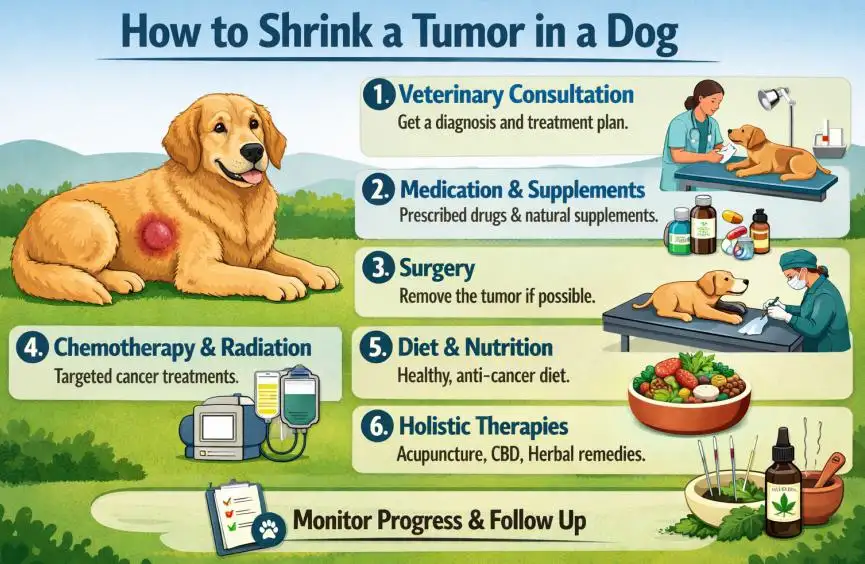
Surgery to remove tumors
-
Chemotherapy to slow cancer growth
-
Radiation therapy for localized control
-
Immunotherapy and targeted therapies
-
Palliative care for pain and symptom management
In advanced stages, especially near death, the primary goal is maintaining quality of life.
Prevention and Lifestyle Recommendations
While not all cancers are preventable, these steps may reduce risk:
-
Regular veterinary checkups
-
Balanced, high-quality diet
-
Maintaining a healthy weight
-
Spaying or neutering when appropriate
-
Minimizing exposure to harmful chemicals
-
Early evaluation of unusual symptoms
Early intervention can slow progression through the stages of disease.
Prognosis and Survival Rates
Prognosis varies widely depending on cancer type and stage:
-
Early-stage cancers may offer survival times of several years
-
Advanced cancers often have survival times measured in months
-
Some aggressive cancers progress rapidly despite treatment
Understanding prognosis helps owners prepare emotionally and plan appropriate care during the final stages of dog cancer leading to death.
Latest Research and Innovations
Veterinary oncology continues to advance, offering new hope for dogs with cancer:
-
Targeted drug therapies
-
Cancer vaccines
-
Genetic testing for personalized treatment
-
Improved pain management protocols
These innovations aim to extend life while preserving comfort and dignity.
Coping and Support for Patients and Owners
Caring for a dog with terminal cancer is emotionally demanding. Helpful strategies include:
-
Working closely with your veterinarian
-
Monitoring pain and comfort daily
-
Considering hospice or in-home palliative care
-
Seeking emotional support from family or pet loss groups
Your presence, affection, and calm reassurance matter deeply to your dog during this time.
Conclusion
Understanding the stages of dog cancer leading to death empowers pet owners to make informed, compassionate decisions throughout their dog’s illness. While a cancer diagnosis is heartbreaking, knowledge allows you to focus on comfort, quality of life, and meaningful moments with your loyal companion. With proper care and support, you can ensure your dog’s final journey is filled with dignity, love, and peace.
FAQ
1. What are the final signs that a dog is dying from cancer?
Common signs include severe weakness, loss of appetite, difficulty breathing, unmanageable pain, and withdrawal from interaction.
2. How long do dogs live after reaching stage IV cancer?
Survival can range from weeks to a few months, depending on cancer type and supportive care.
3. Is euthanasia always necessary in end-stage dog cancer?
Not always, but it may be considered when pain and suffering can no longer be controlled, prioritizing the dog’s welfare.
4. Can early detection prevent death from dog cancer?
Early detection significantly improves treatment success and may prevent progression to fatal stages.
5. How can I make my dog comfortable in the final stages?
Focus on pain management, a calm environment, gentle interaction, and following your veterinarian’s palliative care guidance.