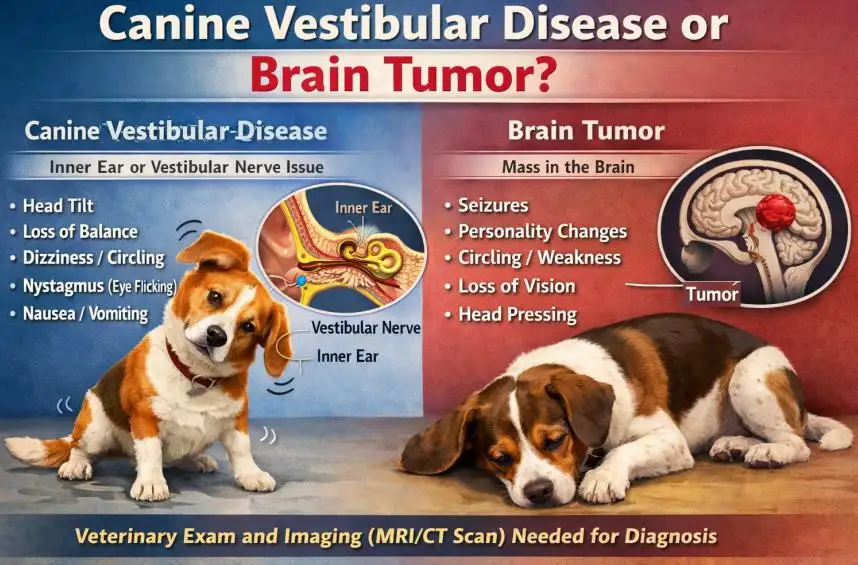
How to Shrink a Tumor in a Dog: Effective Treatment Options, and Care Strategies
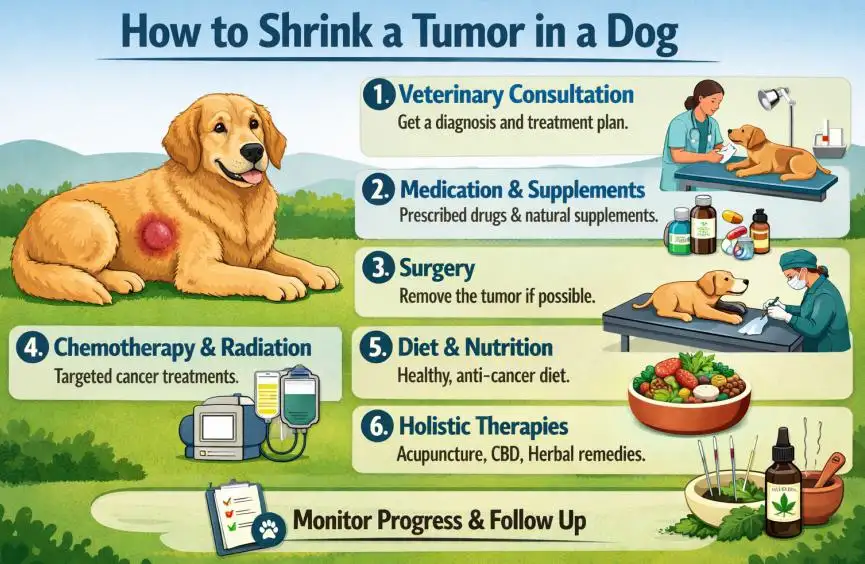
Hearing that your dog has a tumor can feel overwhelming. Naturally, one of the first questions that comes to mind is how to shrink a tumor in a dog safely and effectively. While not all tumors can be completely eliminated, many can be reduced in size or managed with modern veterinary treatments, improving both comfort and quality of life.
In this comprehensive guide, we will explore proven medical therapies, supportive care options, and emerging innovations in veterinary oncology. Whether the tumor is benign or malignant, understanding your options empowers you to make informed decisions and work confidently with your veterinarian.
Overview
A tumor is an abnormal growth of cells that can be either benign (non-cancerous) or malignant (cancerous). In dogs, tumors may appear on the skin, under the skin, or internally in organs such as the liver, spleen, or lungs.
Shrinking a tumor in a dog depends on several factors:
-
Tumor type
-
Location
-
Size
-
Stage of disease
-
Overall health of the dog
The primary goal of treatment may include:
-
Reducing tumor size
-
Slowing growth
-
Relieving pain or pressure
-
Improving life expectancy
-
Enhancing quality of life
Types of Tumors in Dogs
Understanding tumor type is essential when determining how to shrink a tumor in a dog.
| Tumor Type | Description | Common Treatment Approach |
|---|---|---|
| Lipoma | Benign fatty tumor | Monitoring or surgery |
| Mast Cell Tumor | Common skin cancer | Surgery, chemotherapy |
| Lymphoma | Cancer of lymphatic system | Chemotherapy |
| Osteosarcoma | Bone cancer | Surgery, chemotherapy |
| Hemangiosarcoma | Cancer of blood vessels | Surgery, chemotherapy |
| Mammary Tumor | Breast tissue tumor | Surgery ± chemo |
Benign tumors may only require monitoring, while malignant tumors often require aggressive treatment.
Causes and Risk Factors
Although the exact cause of many tumors remains unclear, several factors increase risk:
-
Genetic predisposition (certain breeds like Boxers and Golden Retrievers are more prone)
-
Age (older dogs are at higher risk)
-
Environmental toxins
-
Obesity
-
Hormonal influences (especially in unspayed females)
-
Chronic inflammation
Understanding risk factors can help with early detection and prevention.
Symptoms and Early Warning Signs
Recognizing early warning signs improves treatment success and increases the chance of shrinking a tumor in a dog effectively.
Common signs include:
-
Unusual lumps or bumps
-
Rapid growth of a mass
-
Unexplained weight loss
-
Decreased appetite
-
Lethargy
-
Persistent limping
-
Difficulty breathing
-
Non-healing wounds
If you notice any of these signs, schedule a veterinary examination promptly.
Diagnosis
Accurate diagnosis is critical before starting treatment. Veterinarians may use:
| Diagnostic Test | Purpose |
|---|---|
| Fine Needle Aspiration (FNA) | Collects cells for analysis |
| Biopsy | Confirms tumor type |
| Blood Tests | Evaluates overall health |
| X-rays | Detects spread to lungs/bones |
| Ultrasound | Examines internal organs |
| CT/MRI | Advanced imaging for staging |
Only after determining the tumor type and stage can your veterinarian recommend the best shrinking strategy.
Treatment Options: How to Shrink a Tumor in a Dog
Several medical approaches can help shrink a tumor in a dog. The right method depends on diagnosis and staging.
1. Surgery
Surgery is often the first-line treatment for solid tumors.
Benefits:
-
Removes tumor entirely (if localized)
-
Can significantly reduce size
-
May be curative for benign tumors
2. Chemotherapy
Chemotherapy uses medications to destroy cancer cells or slow growth.
Advantages:
-
Effective for lymphoma and metastatic cancers
-
Can shrink tumors significantly
-
Often well tolerated in dogs compared to humans
Common chemotherapy drugs include doxorubicin and vincristine.
3. Radiation Therapy
Radiation targets cancer cells precisely and is especially helpful when surgery is not possible.
Used for:
-
Brain tumors
-
Nasal tumors
-
Incomplete surgical margins
4. Targeted Therapy
Newer drugs specifically attack cancer cell pathways. For example:
-
Toceranib phosphate (Palladia) for mast cell tumors
-
Monoclonal antibody treatments for lymphoma
These therapies may shrink tumors with fewer side effects.
5. Immunotherapy
Immunotherapy helps the dog’s immune system recognize and attack cancer cells. Cancer vaccines are being used in specific tumor types.
6. Palliative Care
When cure is not possible, treatment focuses on comfort and slowing tumor growth.
Options include:
-
Anti-inflammatory drugs
-
Pain management
-
Steroids (which may temporarily shrink certain tumors like lymphoma)
7. Nutritional and Supportive Therapy
Although not a cure, nutrition can support treatment.
Recommended strategies:
-
High-quality protein
-
Omega-3 fatty acids
-
Controlled carbohydrates
-
Antioxidant-rich diet (under veterinary guidance)
Always consult your vet before adding supplements.
Prevention and Lifestyle Recommendations
While not all tumors can be prevented, you can reduce risk by:
-
Maintaining healthy weight
-
Regular veterinary checkups
-
Early spaying/neutering (reduces mammary tumor risk)
-
Limiting toxin exposure
-
Providing balanced nutrition
-
Monitoring for new lumps monthly
Early detection dramatically improves outcomes.
Prognosis and Survival Rates
Prognosis depends heavily on tumor type and stage.
| Tumor Type | Average Survival with Treatment |
|---|---|
| Lymphoma | 6–12 months (with chemo) |
| Mast Cell Tumor (low grade) | Often curable with surgery |
| Osteosarcoma | 8–12 months (with surgery + chemo) |
| Lipoma | Excellent prognosis |
Some tumors shrink significantly and remain controlled for months or even years. Others may respond temporarily but recur.
Your veterinarian can provide a personalized prognosis based on staging.
Latest Research and Innovations
Veterinary oncology continues to evolve. Emerging advancements include:
-
Personalized cancer vaccines
-
Genetic tumor profiling
-
Precision medicine targeting specific mutations
-
Advanced immunotherapy protocols
-
Combination therapies for better shrinkage outcomes
Clinical trials may be available at specialty veterinary centers and universities.
Coping and Support for Pet Owners
Caring for a dog with cancer is emotionally challenging. You are not alone.
Helpful strategies include:
-
Open communication with your veterinarian
-
Consulting a veterinary oncologist
-
Joining pet cancer support groups
-
Keeping a treatment journal
-
Focusing on quality-of-life metrics
Remember, the goal is not just shrinking the tumor but ensuring your dog feels loved, comfortable, and supported.
Conclusion
Understanding how to shrink a tumor in a dog requires accurate diagnosis, collaboration with a veterinarian, and choosing the right combination of therapies. From surgery and chemotherapy to targeted therapy and supportive nutrition, many options exist to reduce tumor size and improve quality of life.
Early detection and proactive care make a significant difference. If you suspect a tumor, schedule a veterinary visit promptly. With modern veterinary advancements, many dogs continue to enjoy meaningful, happy lives even after a cancer diagnosis.
FAQ
1. Can a tumor in a dog shrink on its own?
Most tumors do not shrink without treatment. Some benign masses may remain stable, but malignant tumors typically require medical intervention.
2. Are there natural ways to shrink a tumor in a dog?
Natural supplements may support overall health but should never replace veterinary treatment. Always consult your vet before trying alternative therapies.
3. Is chemotherapy safe for dogs?
Yes. Dogs generally tolerate chemotherapy better than humans, with milder side effects in most cases.
4. How quickly can a tumor shrink with treatment?
Response time varies. Some tumors shrink within weeks of chemotherapy, while others may take longer or respond partially.
5. When is euthanasia considered?
Euthanasia may be considered when pain cannot be managed and quality of life is severely compromised. Your veterinarian will help guide this decision compassionately.