What to Feed a Dog with Cancer: A Complete Nutritional Guide for Pet Owners

A cancer diagnosis in a beloved dog is one of the most difficult moments a pet owner can face. Alongside veterinary treatment, nutrition plays a crucial role in supporting your dog’s strength, immune system, and overall quality of life. Many owners ask the same important question: what to feed a dog with cancer to help them stay comfortable and maintain energy during treatment.
Understanding the right dietary approach can feel overwhelming, especially with so much conflicting information online. This article is designed to guide you step by step, offering evidence-based insights into what to feed a dog with cancer, how diet can support treatment, and how to make practical feeding decisions that truly benefit your dog.
Overview
Cancer can change how a dog’s body processes nutrients. Tumors often consume glucose for energy, while treatments like chemotherapy or radiation may affect appetite, digestion, and metabolism. As a result, the nutritional needs of dogs with cancer differ significantly from those of healthy dogs.
The primary goals of a cancer-supportive diet are to maintain body weight, preserve muscle mass, support the immune system, and improve overall comfort. Knowing what to feed a dog with cancer can make a meaningful difference in how your dog responds to treatment and copes with daily life.
Types
Different types of cancer can influence dietary choices. Understanding the general categories can help tailor feeding strategies.
Common Cancer Types in Dogs
-
Lymphoma – Often affects the immune system and may require high-quality protein support
-
Osteosarcoma – Bone cancer that increases protein and calorie needs
-
Mast Cell Tumors – Can affect digestion and nutrient absorption
-
Mammary Tumors – Often influenced by fat metabolism
-
Gastrointestinal Cancers – Require easily digestible, gentle diets
Each cancer type may respond better to specific nutritional adjustments, reinforcing the importance of individualized feeding plans.
Causes and Risk Factors
While diet does not cause cancer directly, certain factors can increase risk and affect nutritional needs.
Key risk factors include:
-
Age (senior dogs are more susceptible)
-
Breed predisposition
-
Obesity and poor-quality diets
-
Exposure to environmental toxins
-
Chronic inflammation or hormonal factors
Dogs with cancer often benefit from diets that reduce inflammation and support cellular health.
Symptoms and Early Warning Signs
Cancer-related symptoms often affect feeding behavior, making it essential to monitor dietary intake closely.
Common signs include:
-
Loss of appetite or picky eating
-
Weight loss and muscle wasting
-
Fatigue and reduced activity
-
Digestive upset (vomiting, diarrhea)
-
Difficulty chewing or swallowing
Recognizing these signs early helps owners adjust what to feed a dog with cancer before malnutrition becomes a concern.
Diagnosis
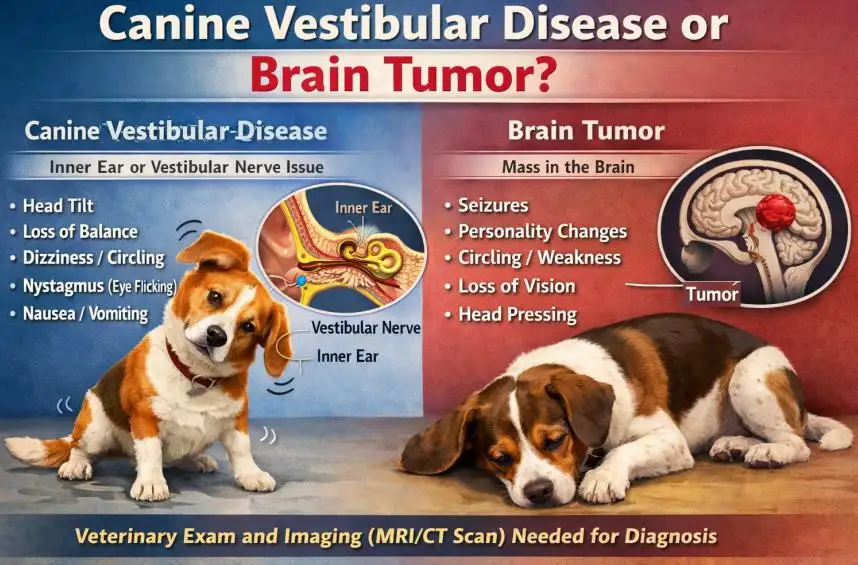
Diagnosis typically involves a combination of physical exams, blood tests, imaging (X-rays or ultrasound), and biopsies. Once cancer is confirmed, veterinarians often assess nutritional status as part of the treatment plan.
A veterinary nutritionist may recommend a specialized diet based on cancer type, stage, and treatment approach. This ensures that what to feed a dog with cancer aligns with medical care.
Treatment Options
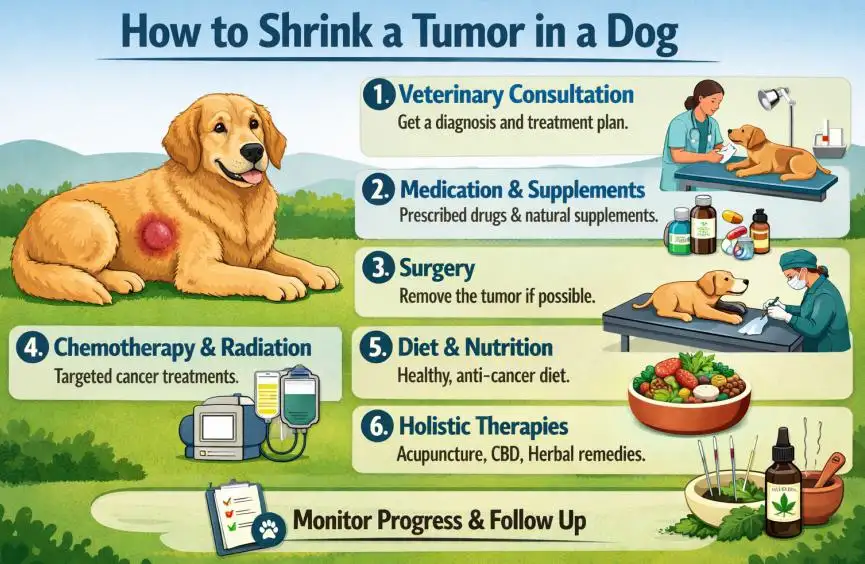
Cancer treatment in dogs may include surgery, chemotherapy, radiation therapy, or palliative care. Nutrition supports all of these approaches.
Nutritional Goals During Treatment
-
Maintain calorie intake despite reduced appetite
-
Provide high-quality protein to preserve muscle
-
Limit carbohydrates that may fuel tumor growth
-
Increase healthy fats for energy
Recommended Foods for Dogs with Cancer
| Nutrient Focus | Recommended Foods | Benefits |
|---|---|---|
| High-quality protein | Lean meats, eggs, fish | Supports muscle and immune function |
| Healthy fats | Fish oil, coconut oil | Provides energy and reduces inflammation |
| Low-glycemic vegetables | Broccoli, spinach, zucchini | Antioxidants and fiber |
| Omega-3 fatty acids | Salmon, sardines | Anti-inflammatory properties |
This table highlights practical options when deciding what to feed a dog with cancer on a daily basis.
Prevention and Lifestyle Recommendations
While cancer cannot always be prevented, long-term dietary and lifestyle habits can support overall health.
Helpful strategies include:
-
Feeding minimally processed, high-quality diets
-
Maintaining a healthy weight
-
Providing regular exercise adapted to energy levels
-
Reducing exposure to environmental toxins
-
Scheduling routine veterinary checkups
These habits also make it easier to transition to a supportive diet if cancer is diagnosed.
Prognosis and Survival Rates
Prognosis varies widely depending on cancer type, stage, and response to treatment. Nutrition does not cure cancer, but it significantly influences comfort, strength, and resilience.
Dogs receiving appropriate diets alongside medical care often maintain better body condition and quality of life. Knowing what to feed a dog with cancer can help maximize the time and well-being you share with your pet.
Latest Research and Innovations
Recent research in veterinary oncology emphasizes the role of metabolic therapy and nutrition. Studies suggest that diets higher in fat and protein and lower in simple carbohydrates may slow tumor progression in some cancers.
Innovations include:
-
Therapeutic commercial cancer diets
-
Personalized nutrition plans using metabolic profiling
-
Increased use of omega-3 supplementation
-
Integrative approaches combining nutrition with conventional treatment
These advances continue to refine guidance on what to feed a dog with cancer.
Coping and Support for Patients
Caring for a dog with cancer is emotionally demanding. Feeding becomes an act of love and connection, not just nutrition.
Support tips for owners:
-
Offer small, frequent meals to encourage eating
-
Warm food slightly to enhance aroma
-
Hand-feed if necessary to maintain intake
-
Work closely with your veterinarian or nutritionist
Your patience and attention can make feeding time a positive experience, even during difficult stages.
Conclusion
Deciding what to feed a dog with cancer is a critical part of comprehensive care. A well-planned diet supports energy, immune function, and comfort, complementing medical treatment and improving quality of life. While every dog’s needs are unique, focusing on high-quality protein, healthy fats, and anti-inflammatory nutrients provides a strong foundation.
Always consult your veterinarian before making significant dietary changes. With informed choices and compassionate care, nutrition becomes a powerful way to support your dog through their cancer journey.
FAQ
1. What is the best diet for a dog with cancer?
The best diet is typically high in quality protein and healthy fats, with limited simple carbohydrates. Individual needs vary, so veterinary guidance is essential.
2. Can homemade food help dogs with cancer?
Yes, when properly balanced and guided by a veterinarian or nutritionist. Homemade diets allow more control over ingredients.
3. Should I avoid carbohydrates completely?
Not entirely. The focus is on reducing simple sugars and refined carbs while emphasizing low-glycemic vegetables.
4. How often should I feed a dog with cancer?
Smaller, more frequent meals often help dogs with reduced appetite maintain calorie intake.
5. Does nutrition replace cancer treatment?
No. Nutrition supports treatment but does not replace veterinary medical care.