Cancer of the Spleen Life Expectancy: Prognosis, Survival Rates, and Treatment Insights

Cancer of the spleen life expectancy is a topic that often raises concern and uncertainty for patients and families. Because splenic cancer is relatively rare and often associated with blood-related malignancies, understanding prognosis and survival outcomes can feel overwhelming. However, advances in diagnosis and treatment continue to improve outcomes, offering new hope and better quality of life for many individuals.
In this comprehensive guide, we will explore what determines cancer of the spleen life expectancy, including disease types, risk factors, symptoms, treatment options, and the latest medical innovations. By the end of this article, you will have a clearer understanding of survival expectations and practical steps that can positively influence long-term outcomes.
Overview
The spleen is an organ located in the upper left abdomen, playing a vital role in immune function and blood filtration. Primary spleen cancer is rare, while secondary involvement is more common, especially in conditions like lymphoma or leukemia. When cancer affects the spleen, prognosis varies significantly depending on cancer type, stage, overall health, and treatment response.
Cancer of the spleen life expectancy depends on whether the cancer originates in the spleen (primary splenic cancer) or spreads from another organ (secondary or metastatic cancer). Early detection and personalized treatment strategies are key factors that can significantly impact survival rates.
Types
Different types of cancer can affect the spleen, each with distinct survival expectations.
| Type of Splenic Cancer | Description | Typical Prognosis |
|---|---|---|
| Primary Splenic Lymphoma | Cancer originating in spleen lymph tissue | Often favorable with early treatment |
| Splenic Angiosarcoma | Rare and aggressive blood vessel cancer | Poor prognosis due to rapid spread |
| Secondary (Metastatic) Cancer | Spread from other organs | Depends on original cancer |
| Leukemia with Splenic Involvement | Blood cancer affecting spleen | Variable, based on subtype |
Among these, splenic angiosarcoma has the most challenging outlook, while lymphoma-related spleen involvement often responds well to chemotherapy and immunotherapy.
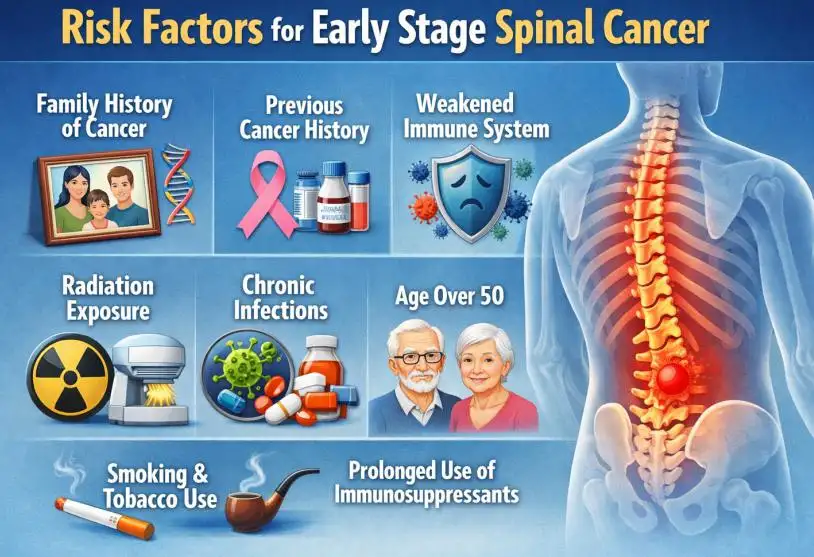
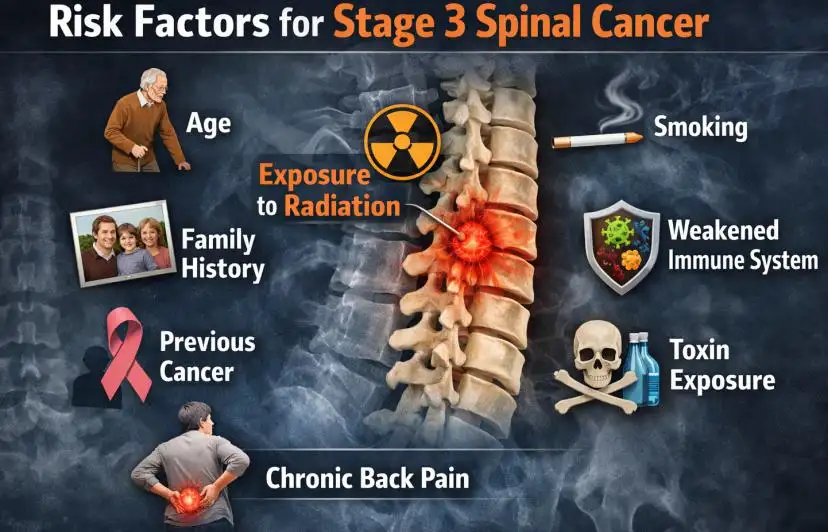
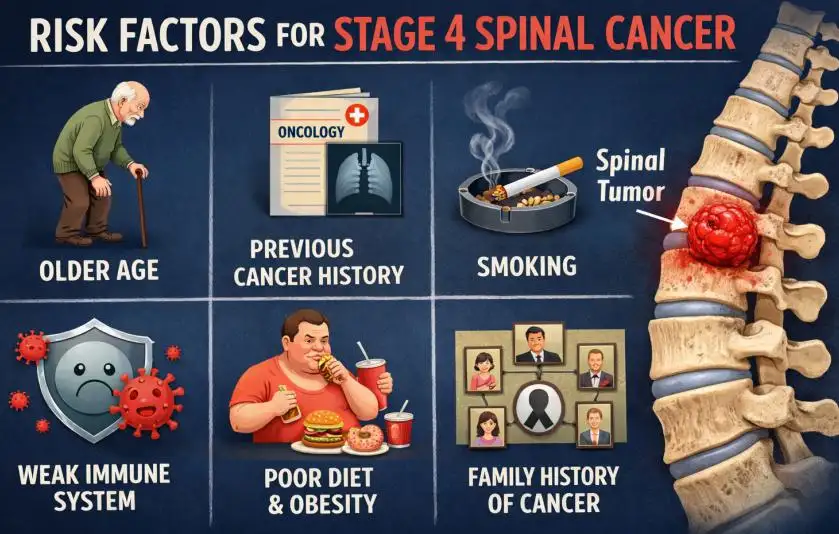
Causes and Risk Factors
Several factors can increase the risk of spleen-related cancers:
-
Genetic predisposition to blood cancers
-
Weakened immune system
-
Exposure to radiation or toxic chemicals
-
Chronic infections
-
History of lymphoma or leukemia
-
Age and gender (higher incidence in older adults)
Although these risk factors may increase susceptibility, not everyone exposed will develop splenic cancer. Lifestyle and early medical intervention also play protective roles.
Symptoms and Early Warning Signs
Symptoms of splenic cancer are often subtle in early stages, making early diagnosis difficult. Common warning signs include:
-
Upper left abdominal pain or fullness
-
Fatigue and weakness
-
Unexplained weight loss
-
Frequent infections
-
Easy bruising or bleeding
-
Enlarged spleen (splenomegaly)
If these symptoms persist, early medical evaluation is essential to improve cancer of the spleen life expectancy through timely treatment.
Diagnosis
Diagnosing splenic cancer involves a combination of clinical evaluation and advanced imaging.
| Diagnostic Method | Purpose |
|---|---|
| Blood Tests | Detect abnormal blood cells |
| Ultrasound or CT Scan | Visualize spleen abnormalities |
| MRI | Assess tissue structure |
| Biopsy | Confirm cancer type |
| PET Scan | Detect cancer spread |
Accurate diagnosis allows physicians to determine disease stage and select the most effective treatment plan.
Treatment Options
Treatment depends on cancer type, stage, and patient health. Common approaches include:
-
Splenectomy: Surgical removal of the spleen, often effective in early localized disease
-
Chemotherapy: Targets cancer cells throughout the body
-
Radiation Therapy: Used in selected cases
-
Immunotherapy: Boosts immune response against cancer
-
Targeted Therapy: Focuses on specific cancer cell pathways
Many patients receive combination therapy for optimal results. Personalized treatment plans are now standard practice, improving survival outcomes.
Prevention and Lifestyle Recommendations
While not all spleen cancers can be prevented, healthy habits can reduce risk and support recovery:
-
Maintain a balanced diet rich in antioxidants
-
Exercise regularly
-
Avoid smoking and excessive alcohol
-
Manage chronic infections promptly
-
Follow regular medical screenings
-
Get recommended vaccinations, especially after splenectomy
These steps can enhance immune function and contribute positively to cancer of the spleen life expectancy.
Prognosis and Survival Rates
Prognosis varies widely depending on the type and stage of cancer.
| Cancer Type | Estimated 5-Year Survival Rate |
|---|---|
| Primary Splenic Lymphoma | 60%–80% |
| Splenic Angiosarcoma | Less than 20% |
| Secondary Metastatic Cancer | Depends on primary cancer |
| Leukemia with Splenic Involvement | 40%–70% |
Early-stage diagnosis significantly improves outcomes. Patients who respond well to treatment often experience long-term remission and improved quality of life.
Latest Research and Innovations
Medical research continues to improve treatment effectiveness and survival rates:
-
CAR-T cell therapy for blood-related splenic cancers
-
Precision medicine based on genetic profiling
-
Advanced imaging for earlier detection
-
Minimally invasive splenectomy techniques
-
Novel immunotherapy combinations
These innovations are reshaping cancer care and offering renewed hope for patients facing spleen-related malignancies.
Coping and Support for Patients
Living with splenic cancer can be emotionally and physically challenging. Support systems play a crucial role in recovery.
Helpful coping strategies include:
-
Joining cancer support groups
-
Seeking counseling or therapy
-
Practicing stress management techniques
-
Staying connected with family and friends
-
Maintaining open communication with healthcare providers
Strong emotional and social support has been shown to positively influence treatment outcomes and overall well-being.
Conclusion
Cancer of the spleen life expectancy depends on multiple factors, including cancer type, stage, treatment response, and overall health. While some forms are aggressive, many patients experience favorable outcomes thanks to early detection and modern therapies. Staying informed, proactive, and supported can make a meaningful difference in survival and quality of life.
If you or a loved one is facing splenic cancer, consult a healthcare professional to develop a personalized treatment plan and explore available options for the best possible outcome.
FAQ
1. What is the average life expectancy for spleen cancer patients?
Life expectancy varies widely. Some patients with early-stage lymphoma involving the spleen can live many years, while aggressive cancers may have shorter survival times.
2. Is spleen cancer curable?
Some types, especially primary splenic lymphoma, can be treated successfully with surgery and chemotherapy. Early detection improves the chance of remission.
3. Does spleen removal improve survival?
In many cases, splenectomy can relieve symptoms and improve outcomes, especially when cancer is localized.
4. Can lifestyle changes improve prognosis?
Yes. Healthy habits, proper nutrition, and emotional support can strengthen the immune system and support recovery.
5. How often should follow-up visits occur?
Follow-up schedules depend on cancer type and treatment plan, but regular monitoring is essential to detect recurrence early.