Risk Factors for Stage 3 Spinal Cancer: Causes, Symptoms, Treatment, and Prevention
Spinal cancer is a serious medical condition that occurs when abnormal cells grow within or around the spinal cord and vertebrae. While spinal tumors can appear at any stage, understanding the risk factors for stage 3 spinal cancer is crucial for early detection, effective treatment, and better outcomes. Stage 3 spinal cancer often indicates that the tumor has grown significantly and may be affecting nearby tissues, nerves, or structures in the spine.
For patients and families, learning about the causes, warning signs, and treatment options can make a meaningful difference in managing the disease. By understanding the risk factors for stage 3 spinal cancer, individuals can identify potential dangers earlier, seek medical attention promptly, and explore modern treatment strategies that improve survival and quality of life.
Overview
Stage 3 spinal cancer represents an advanced stage of the disease where the tumor has typically expanded beyond its original location. At this stage, cancer may affect nearby bones, nerves, or soft tissues around the spine, potentially causing neurological symptoms.
Spinal cancer can be classified into two main categories:
-
Primary spinal tumors – originating in the spine
-
Metastatic spinal tumors – spreading to the spine from other organs such as the lungs, breast, or prostate
Because metastatic tumors are more common, many cases of stage 3 spinal cancer are related to cancers that have spread from elsewhere in the body.
Types of Spinal Cancer
Several types of tumors can affect the spine. Each type may have different behaviors and progression patterns.
| Type of Spinal Tumor | Description |
|---|---|
| Intramedullary Tumors | Tumors that grow within the spinal cord itself |
| Extramedullary Tumors | Tumors that develop inside the spinal canal but outside the spinal cord |
| Vertebral Column Tumors | Tumors forming in the bones of the spine |
| Metastatic Spinal Tumors | Cancer that spreads from other organs to the spine |
Common examples include astrocytomas, ependymomas, chordomas, and metastatic carcinomas.
Causes and Risk Factors
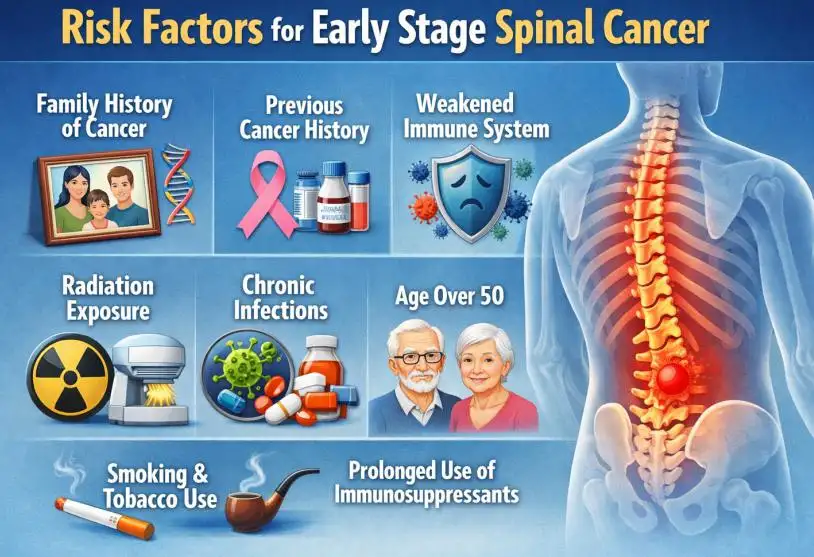
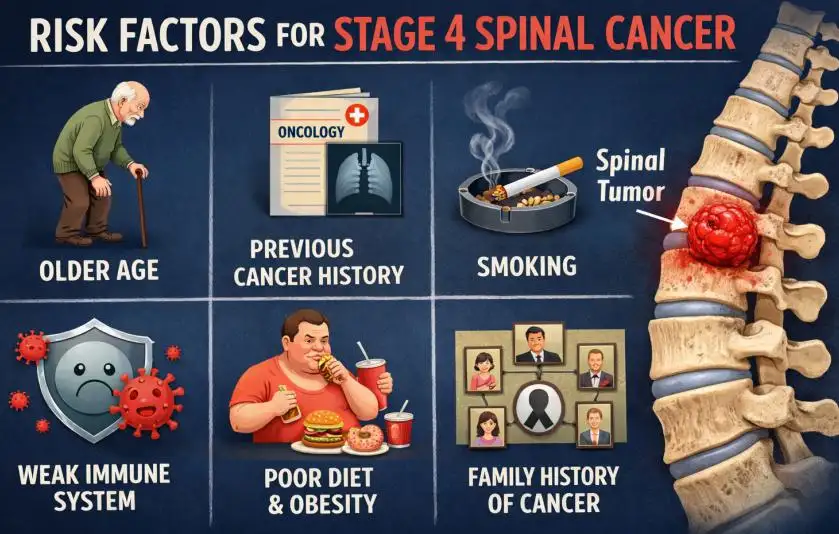
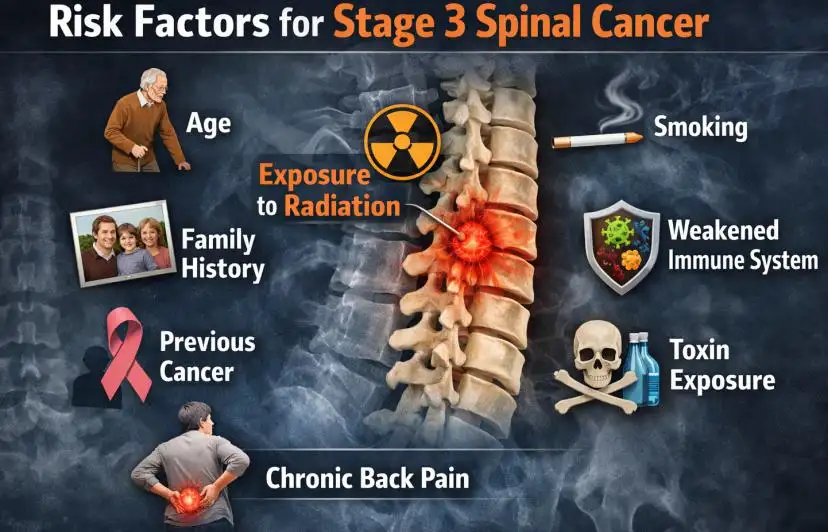
Understanding the risk factors for stage 3 spinal cancer helps identify individuals who may be more vulnerable to the disease. While spinal cancer can sometimes occur without a clear cause, several factors are known to increase the likelihood of tumor development and progression.
| Risk Factor | Explanation |
|---|---|
| Previous Cancer | Cancers such as breast, lung, or prostate cancer can spread to the spine |
| Genetic Disorders | Conditions like neurofibromatosis may increase spinal tumor risk |
| Radiation Exposure | Prior radiation therapy to the spine or surrounding areas |
| Age | Most spinal tumors are diagnosed in middle-aged or older adults |
| Weakened Immune System | Chronic illnesses or immune suppression may raise cancer risk |
| Family History | A family history of certain cancers may increase susceptibility |
Metastasis from other cancers remains one of the most significant risk factors for stage 3 spinal cancer, particularly when the original cancer is aggressive or untreated.
Symptoms and Early Warning Signs
Symptoms of stage 3 spinal cancer can vary depending on the tumor’s location and size. Many symptoms are related to nerve compression or spinal instability.
Common warning signs include:
-
Persistent back or neck pain
-
Pain that worsens at night
-
Weakness in arms or legs
-
Numbness or tingling sensations
-
Difficulty walking or maintaining balance
-
Loss of bladder or bowel control
-
Unexplained weight loss
-
Fatigue
Early recognition of these symptoms is essential. Persistent spinal pain combined with neurological symptoms should always be evaluated by a healthcare professional.
Diagnosis
Diagnosing stage 3 spinal cancer requires a combination of imaging studies, neurological exams, and laboratory testing.
| Diagnostic Method | Purpose |
|---|---|
| MRI Scan | Provides detailed images of the spinal cord and tumors |
| CT Scan | Detects bone damage or tumor growth in vertebrae |
| Biopsy | Confirms whether the tumor is cancerous |
| PET Scan | Identifies cancer spread to other parts of the body |
| Neurological Examination | Evaluates nerve and spinal cord function |
Early and accurate diagnosis allows doctors to determine the stage of the cancer and create a personalized treatment plan.
Treatment Options
Treatment for stage 3 spinal cancer typically involves a combination of therapies aimed at controlling tumor growth, relieving symptoms, and preserving neurological function.
| Treatment | Description |
|---|---|
| Surgery | Removes part or all of the tumor when possible |
| Radiation Therapy | Uses high-energy beams to destroy cancer cells |
| Chemotherapy | Drugs that kill or slow cancer cell growth |
| Targeted Therapy | Focuses on specific molecules that drive cancer growth |
| Immunotherapy | Stimulates the immune system to fight cancer |
Treatment plans often depend on factors such as tumor type, location, patient health, and whether the cancer has spread from another organ.
Prevention and Lifestyle Recommendations
While not all cases of spinal cancer can be prevented, certain lifestyle strategies may reduce the risk of cancer progression or metastasis.
Recommended preventive practices include:
-
Regular medical screenings for individuals with a cancer history
-
Maintaining a healthy immune system
-
Avoiding excessive radiation exposure
-
Managing existing cancers promptly
-
Following a balanced diet rich in antioxidants
-
Staying physically active
-
Avoiding tobacco use
These steps may help reduce some risk factors for stage 3 spinal cancer, particularly those linked to metastatic disease.
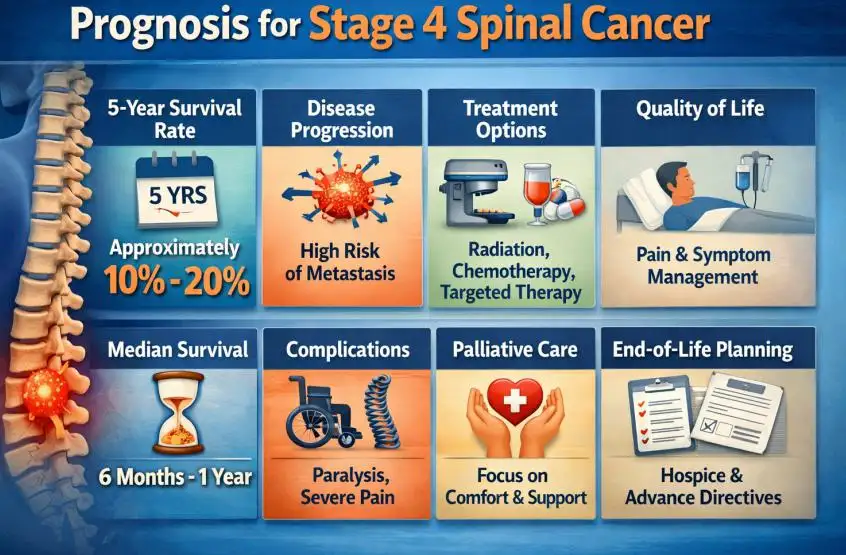
Prognosis and Survival Rates
The prognosis for stage 3 spinal cancer varies widely depending on several factors, including tumor type, location, treatment response, and overall patient health.
| Factor | Impact on Prognosis |
|---|---|
| Tumor Type | Some tumors respond better to treatment |
| Early Treatment | Faster treatment improves outcomes |
| Patient Age and Health | Stronger health improves recovery chances |
| Metastatic Spread | Widespread cancer lowers survival rates |
Although stage 3 spinal cancer is considered advanced, many patients benefit from modern treatments that can extend survival and improve quality of life.
Latest Research and Innovations
Recent medical advancements are improving outcomes for spinal cancer patients. Researchers are exploring new therapies that target tumors more precisely and reduce damage to surrounding tissues.
Key innovations include:
-
Precision radiation therapy
-
Minimally invasive spinal surgery
-
AI-assisted tumor detection
-
Gene-targeted cancer therapies
-
Advanced immunotherapy treatments
These breakthroughs may significantly change how doctors treat and manage spinal tumors in the coming years.
Coping and Support for Patients
A diagnosis of stage 3 spinal cancer can be emotionally and physically challenging. Patients often benefit from a strong support system and access to specialized care.
Helpful coping strategies include:
-
Joining cancer support groups
-
Seeking counseling or psychological support
-
Working with a multidisciplinary medical team
-
Practicing stress-reduction techniques such as meditation
-
Maintaining open communication with family and caregivers
Supportive care plays an important role in improving mental health and maintaining quality of life during treatment.
Conclusion
Understanding the risk factors for stage 3 spinal cancer is essential for recognizing potential dangers and seeking timely medical care. While the disease can be complex and challenging, advances in diagnosis and treatment continue to improve patient outcomes.
By staying informed about symptoms, risk factors, and treatment options, individuals can take proactive steps toward early detection and better management of spinal cancer. Education, regular medical checkups, and healthy lifestyle choices remain powerful tools in the fight against this serious condition.
FAQ
1. What are the most common risk factors for stage 3 spinal cancer?
The most common risk factors include previous cancers that spread to the spine, genetic disorders, prior radiation exposure, weakened immune systems, and advanced age.
2. Can spinal cancer reach stage 3 without symptoms?
Yes. Some spinal tumors grow slowly and may not cause noticeable symptoms until they begin compressing nerves or affecting spinal structures.
3. Is stage 3 spinal cancer treatable?
Yes. While it is considered advanced, treatment options such as surgery, radiation therapy, chemotherapy, and targeted therapy can help control the disease and relieve symptoms.
4. How fast does spinal cancer progress to stage 3?
Progression speed varies depending on tumor type, genetics, and whether the cancer originated in the spine or spread from another organ.
5. Can lifestyle changes reduce the risk of spinal cancer?
Healthy lifestyle choices, regular cancer screenings, avoiding tobacco, and managing existing cancers can help reduce some risk factors associated with spinal cancer progression.