Prognosis for Stage 3 Spinal Cancer: Survival Rates, Treatment Options, and What Patients Should Know

Understanding the prognosis for stage 3 spinal cancer is an important step for patients and families navigating a complex and often overwhelming diagnosis. At this stage, the cancer has usually grown significantly and may have spread to nearby tissues or lymph nodes, making treatment more challenging but still possible. With modern medical advances, many patients can manage the disease effectively and maintain quality of life through targeted therapies and comprehensive care.
While stage 3 spinal cancer represents an advanced stage of disease, prognosis can vary widely depending on factors such as tumor type, overall health, treatment response, and early medical intervention. This guide explores the causes, symptoms, diagnostic methods, and treatment options available today, while also discussing survival rates and the latest innovations that may improve outcomes.
Overview
Stage 3 spinal cancer typically refers to cancer that has grown beyond its original location within the spine and may involve nearby structures or lymph nodes. However, it has not yet spread extensively to distant organs.
The prognosis for stage 3 spinal cancer depends on several factors, including:
-
Type of spinal tumor
-
Tumor size and location
-
Whether the cancer is primary or metastatic
-
Patient age and general health
-
Response to treatment
Spinal cancer can originate in the spine itself or spread from other parts of the body such as the lungs, breast, or prostate. Early detection and prompt treatment can significantly improve survival outcomes.
Types
Spinal cancer is broadly categorized into primary spinal tumors and metastatic spinal tumors.
| Type | Description | Common Characteristics |
|---|---|---|
| Primary Spinal Tumors | Begin in the bones, nerves, or tissues of the spine | Rare but may grow aggressively |
| Metastatic Spinal Tumors | Spread to the spine from other organs | More common than primary tumors |
| Intramedullary Tumors | Develop inside the spinal cord | May affect nerve function |
| Extradural Tumors | Grow outside the spinal cord but within spinal structures | Often metastatic |
The specific tumor type significantly influences the prognosis for stage 3 spinal cancer.
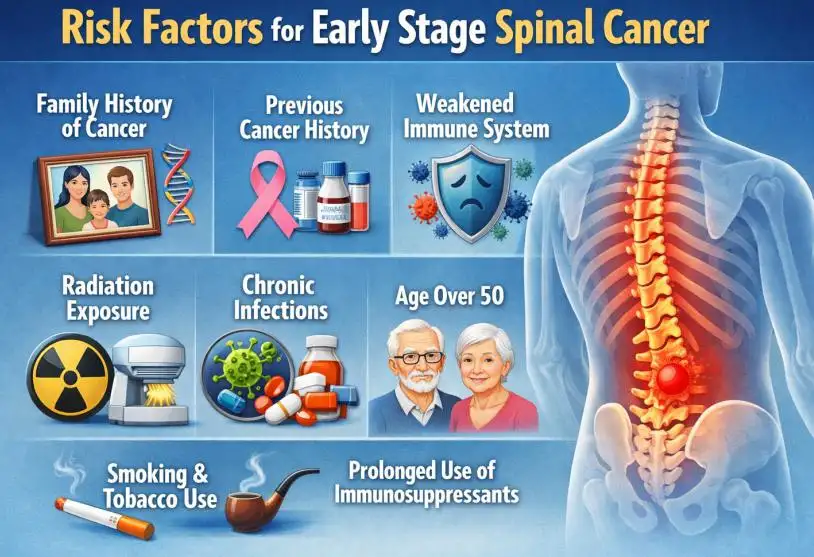
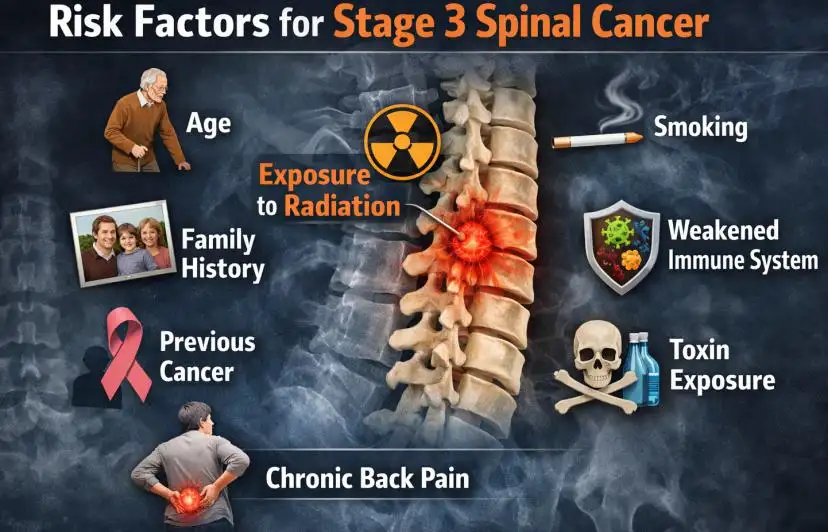
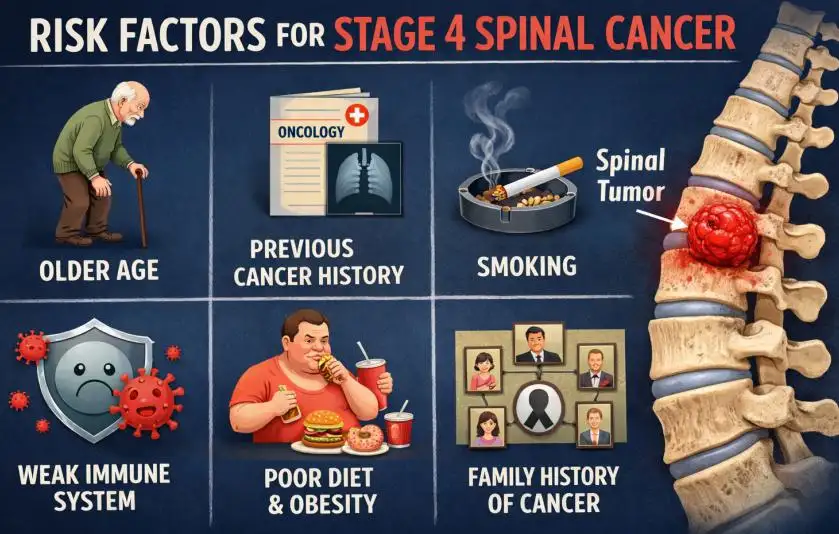
Causes and Risk Factors
Although spinal cancer does not always have a clear cause, several factors can increase the risk.
| Risk Factor | Explanation |
|---|---|
| Genetic mutations | Certain inherited conditions can increase cancer risk |
| Previous cancers | Cancer from other organs may metastasize to the spine |
| Radiation exposure | Past radiation therapy can increase tumor risk |
| Weakened immune system | Reduces the body's ability to fight abnormal cell growth |
| Age | Risk increases with age |
People with a history of cancers such as breast, lung, or prostate cancer are more likely to develop metastatic spinal tumors.
Symptoms and Early Warning Signs
Symptoms of stage 3 spinal cancer can vary depending on tumor location and size.
Common symptoms include:
-
Persistent back or neck pain
-
Numbness or tingling in arms or legs
-
Muscle weakness
-
Difficulty walking
-
Loss of bladder or bowel control
-
Spinal deformities
-
Unexplained weight loss
Back pain that worsens at night or does not improve with rest is often considered a warning sign requiring medical evaluation.
Diagnosis
Diagnosing spinal cancer involves several medical tests designed to determine tumor location, size, and spread.
| Diagnostic Test | Purpose |
|---|---|
| MRI scan | Provides detailed images of spinal cord and tumors |
| CT scan | Shows bone structures and tumor spread |
| Biopsy | Confirms cancer type by analyzing tissue samples |
| PET scan | Detects cancer activity throughout the body |
| Blood tests | Helps evaluate overall health and detect markers |
Accurate diagnosis is essential for determining the most appropriate treatment strategy and estimating the prognosis for stage 3 spinal cancer.
Treatment Options
Treatment plans for stage 3 spinal cancer usually involve a combination of therapies aimed at controlling tumor growth and preserving spinal function.
| Treatment | Purpose |
|---|---|
| Surgery | Removes or reduces tumor mass |
| Radiation therapy | Destroys cancer cells with targeted radiation |
| Chemotherapy | Uses drugs to kill cancer cells |
| Targeted therapy | Attacks specific cancer cell mutations |
| Immunotherapy | Stimulates the immune system to fight cancer |
| Pain management | Improves quality of life |
Advanced surgical techniques and precision radiation therapy have significantly improved treatment outcomes for many patients.
Prevention and Lifestyle Recommendations
While not all spinal cancers can be prevented, healthy lifestyle choices may reduce overall cancer risk and improve treatment outcomes.
Recommended strategies include:
-
Maintaining a healthy body weight
-
Exercising regularly
-
Avoiding tobacco use
-
Limiting alcohol consumption
-
Eating a balanced diet rich in fruits and vegetables
-
Managing chronic medical conditions
-
Attending regular health checkups
Patients with a history of cancer should also follow their physician’s recommended monitoring plan to detect metastasis early.
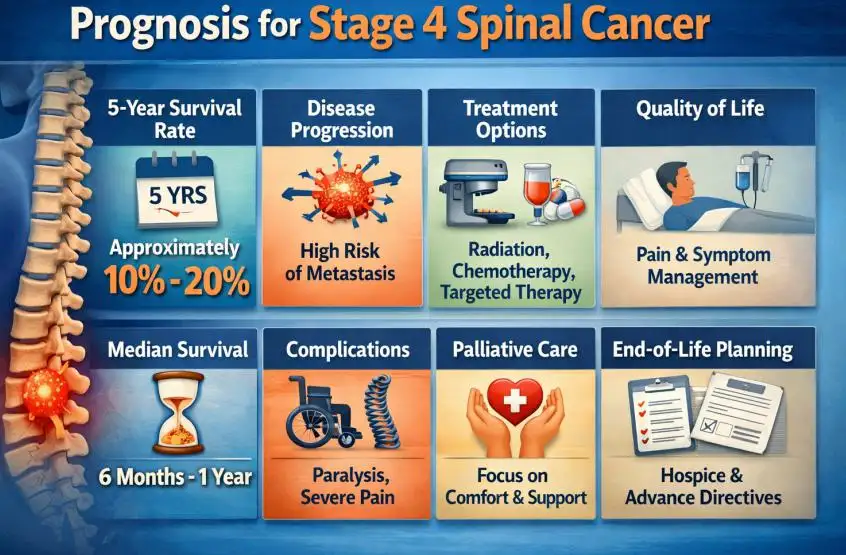
Prognosis and Survival Rates
The prognosis for stage 3 spinal cancer varies widely depending on the tumor type, aggressiveness, and response to treatment.
| Prognostic Factor | Impact on Survival |
|---|---|
| Tumor type | Primary tumors may respond better than metastatic ones |
| Treatment response | Effective therapy improves survival |
| Patient age | Younger patients often tolerate treatment better |
| Tumor location | Tumors affecting vital nerves may be more difficult to treat |
Approximate survival outlooks vary but many patients can live several years with proper treatment and disease management. Advances in oncology continue to improve survival and quality of life.
Latest Research and Innovations
Recent developments in cancer research are creating new possibilities for patients diagnosed with advanced spinal cancer.
Emerging treatments include:
-
Precision medicine, tailoring treatment to genetic mutations
-
Minimally invasive spinal surgery
-
Advanced stereotactic radiation therapy
-
Next-generation immunotherapy
-
Artificial intelligence–assisted diagnostics
These innovations aim to improve the prognosis for stage 3 spinal cancer by increasing treatment effectiveness while reducing side effects.
Coping and Support for Patients
Living with spinal cancer can affect both physical and emotional well-being. Support systems play a crucial role in helping patients manage the disease.
Helpful coping strategies include:
-
Joining cancer support groups
-
Seeking psychological counseling
-
Maintaining open communication with healthcare providers
-
Staying physically active within medical limits
-
Practicing stress-reduction techniques such as meditation
Family involvement and professional support services can greatly enhance quality of life during treatment.
Conclusion
The prognosis for stage 3 spinal cancer depends on many factors, including tumor type, treatment options, and the patient’s overall health. While stage 3 represents an advanced stage of disease, modern medical treatments have significantly improved survival and quality of life for many patients.
Early diagnosis, personalized treatment plans, and ongoing medical support are essential components of successful cancer management. With continuous research and technological advancements, the outlook for individuals facing spinal cancer continues to improve.
FAQ
1. What is the survival rate for stage 3 spinal cancer?
Survival rates vary widely depending on the type of tumor and treatment response. Many patients can live several years with appropriate treatment and supportive care.
2. Can stage 3 spinal cancer be cured?
In some cases, especially with certain primary tumors, aggressive treatment may lead to long-term remission. However, many treatments focus on controlling the disease and improving quality of life.
3. Is surgery always required for stage 3 spinal cancer?
Not always. Treatment plans vary based on tumor location, size, and patient health. Some patients may receive radiation or chemotherapy instead of surgery.
4. What factors affect the prognosis for stage 3 spinal cancer?
Key factors include tumor type, treatment effectiveness, overall health, and whether the cancer has spread beyond the spine.
5. Can lifestyle changes improve outcomes?
Yes. Healthy lifestyle habits, proper nutrition, and regular medical care can help support the body during treatment and recovery.