Prognosis for Stage 2 Spinal Cancer: Survival Rates, Treatment Options, and What Patients Should Expect

Receiving a diagnosis of spinal cancer can be overwhelming, especially when trying to understand what the future may hold. One of the most common concerns patients and families have is the prognosis for stage 2 spinal cancer, how the disease may progress and what outcomes are possible with treatment. At this stage, the cancer is typically localized but has begun to grow beyond its earliest form, making timely medical care extremely important.
Fortunately, advances in medical technology, surgical techniques, and targeted therapies have significantly improved outcomes for many patients. Understanding the prognosis for stage 2 spinal cancer involves evaluating several factors such as tumor type, overall health, treatment response, and early detection. This guide will walk you through everything you need to know, from symptoms and diagnosis to treatment options and survival expectations.
Overview
Spinal cancer refers to abnormal cell growth occurring in or around the spine. These tumors can develop within the vertebrae, spinal cord, or surrounding tissues. In stage 2 spinal cancer, the tumor has grown larger than in stage 1 but generally remains confined to nearby structures without widespread metastasis.
This stage is considered moderately advanced but still potentially treatable. Early medical intervention often leads to better outcomes and improved quality of life.
Key characteristics of stage 2 spinal cancer include:
| Feature | Description |
|---|---|
| Tumor Size | Larger than stage 1 but still localized |
| Spread | Limited to nearby structures |
| Treatment Potential | High likelihood of treatment success |
| Prognosis | Often favorable with early therapy |
Types
Spinal cancer can be classified into several types based on where it originates and the type of cells involved.
| Type | Description |
|---|---|
| Primary Spinal Tumors | Originate directly in the spine |
| Metastatic Spinal Tumors | Spread from cancers in other organs |
| Intramedullary Tumors | Develop inside the spinal cord |
| Intradural-Extramedullary Tumors | Occur within the spinal canal but outside the spinal cord |
| Extradural Tumors | Form in vertebrae or surrounding tissues |
Each tumor type influences the prognosis for stage 2 spinal cancer, as some respond better to treatment than others.
Causes and Risk Factors
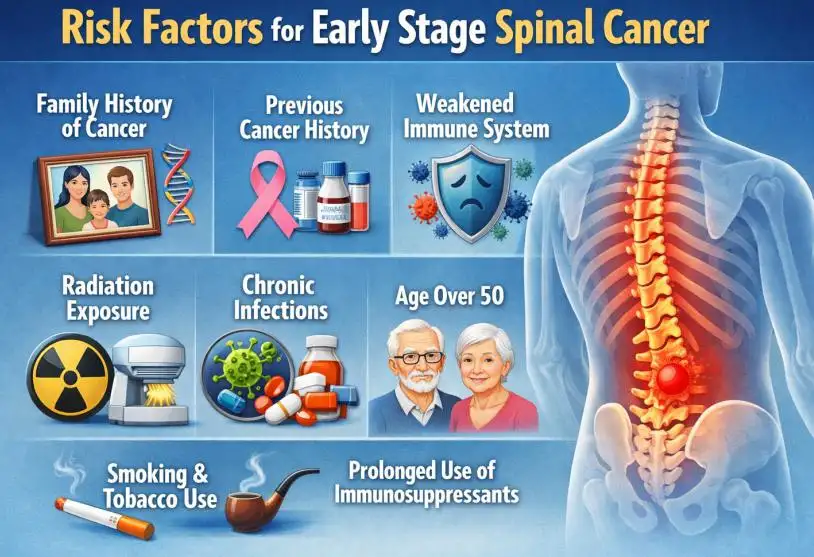
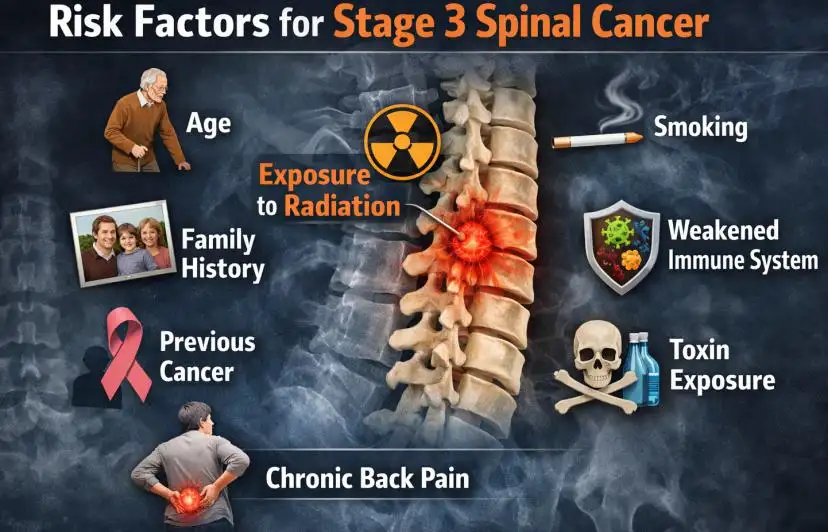
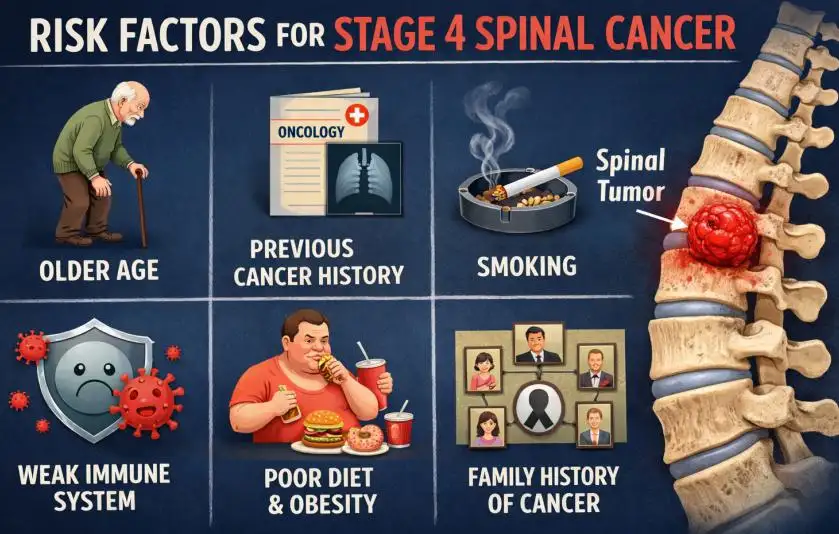
The exact causes of spinal cancer are not always clear. However, researchers have identified several factors that may increase the risk of developing spinal tumors.
Common risk factors include:
| Risk Factor | Explanation |
|---|---|
| Genetic Mutations | Certain inherited conditions increase cancer risk |
| Previous Cancer | Metastatic tumors may spread to the spine |
| Radiation Exposure | High radiation exposure can damage cells |
| Age | Risk increases with age |
| Immune System Disorders | Weak immune systems may increase susceptibility |
Lifestyle and environmental influences may also play a role in cancer development.
Symptoms and Early Warning Signs
Symptoms of spinal cancer often develop gradually. In stage 2, patients may begin to experience noticeable discomfort or neurological symptoms.
Common warning signs include:
-
Persistent back or neck pain
-
Pain that worsens at night
-
Weakness or numbness in limbs
-
Difficulty walking or maintaining balance
-
Loss of bladder or bowel control
-
Unexplained weight loss
Early detection is crucial because identifying symptoms quickly can significantly improve the prognosis for stage 2 spinal cancer.
Diagnosis
Doctors use multiple diagnostic methods to confirm spinal cancer and determine its stage.
| Diagnostic Test | Purpose |
|---|---|
| MRI Scan | Detailed images of spinal cord and soft tissue |
| CT Scan | Evaluates bone structures |
| Biopsy | Confirms presence of cancer cells |
| PET Scan | Detects cancer activity in the body |
| Neurological Exam | Assesses nerve function |
Accurate staging helps physicians design the most effective treatment plan.
Treatment Options
Treatment strategies for stage 2 spinal cancer typically focus on removing or controlling the tumor while preserving spinal function.
Common treatment options include:
| Treatment | Purpose |
|---|---|
| Surgery | Removes the tumor and relieves spinal pressure |
| Radiation Therapy | Destroys cancer cells with targeted radiation |
| Chemotherapy | Uses drugs to kill or slow cancer growth |
| Targeted Therapy | Focuses on specific cancer cell mutations |
| Immunotherapy | Helps the immune system attack cancer cells |
Treatment plans are often personalized depending on tumor type, location, and patient health.
Prevention and Lifestyle Recommendations
While spinal cancer cannot always be prevented, certain lifestyle choices may help reduce overall cancer risk and support recovery.
Recommended lifestyle habits include:
-
Maintaining a healthy weight
-
Eating a balanced, nutrient-rich diet
-
Exercising regularly
-
Avoiding tobacco products
-
Limiting exposure to harmful chemicals
-
Attending regular health check-ups
Healthy habits can also support treatment effectiveness and recovery.
Prognosis and Survival Rates
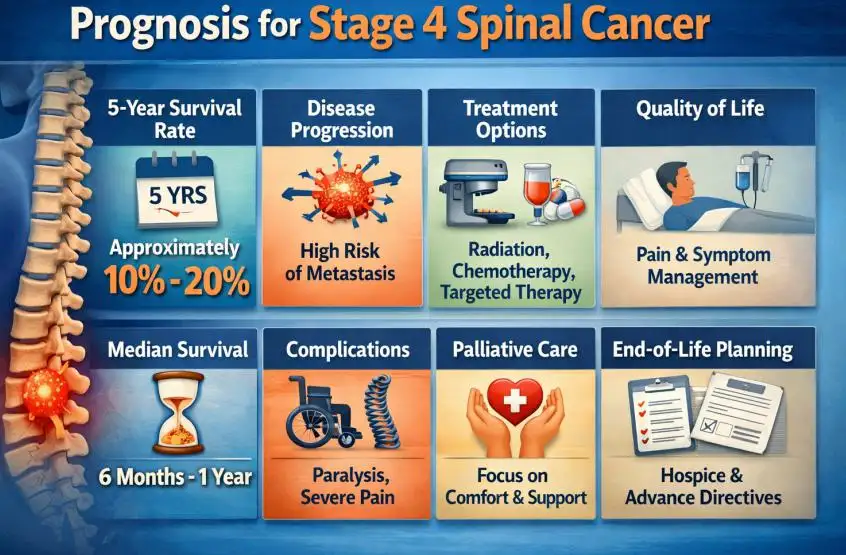
The prognosis for stage 2 spinal cancer varies widely depending on several factors, including tumor type, treatment success, and overall patient health.
Generally, stage 2 cancers have a better outlook than more advanced stages because the tumor remains localized.
| Factor | Impact on Prognosis |
|---|---|
| Tumor Type | Some tumors grow more slowly |
| Treatment Response | Strong response improves survival |
| Early Detection | Leads to better outcomes |
| Patient Health | Strong immune systems support recovery |
Estimated survival outlooks often range from 60% to 80% five-year survival, although individual results can vary significantly.
Patients who receive early surgical intervention and advanced therapies often experience improved outcomes.
Latest Research and Innovations
Medical research continues to improve treatment options for spinal cancer.
Recent innovations include:
-
Precision radiation therapy that targets tumors while protecting healthy tissue
-
Robotic spinal surgery for greater surgical accuracy
-
Targeted molecular therapies tailored to specific tumor genetics
-
Immunotherapy treatments that stimulate the body's immune defenses
Clinical trials are also exploring new combinations of therapies aimed at improving the prognosis for stage 2 spinal cancer.
Coping and Support for Patients
A spinal cancer diagnosis affects both physical and emotional well-being. Building a strong support system is essential during treatment and recovery.
Helpful support resources include:
| Support Type | Benefits |
|---|---|
| Counseling | Helps manage emotional stress |
| Support Groups | Connects patients with shared experiences |
| Physical Therapy | Improves mobility and strength |
| Pain Management | Enhances quality of life |
| Family Support | Provides emotional stability |
Mental health care is just as important as medical treatment when managing cancer.
Conclusion
Understanding the prognosis for stage 2 spinal cancer can help patients make informed decisions about treatment and recovery. Although the diagnosis may seem frightening, stage 2 cancer often remains localized and treatable with modern medical care.
Early diagnosis, effective treatment strategies, and healthy lifestyle choices can significantly improve outcomes. With continuous advances in oncology research and supportive care, many patients are able to manage the disease successfully and maintain a good quality of life.
FAQ
1. What is the survival rate for stage 2 spinal cancer?
Survival rates vary depending on tumor type and treatment response, but many patients have a five-year survival rate between 60% and 80% with proper treatment.
2. Is stage 2 spinal cancer curable?
In some cases, stage 2 spinal cancer can be effectively treated or even cured, especially when detected early and treated with surgery and targeted therapies.
3. How fast does stage 2 spinal cancer progress?
The growth rate depends on the tumor type. Some spinal tumors grow slowly, while others may progress more rapidly if left untreated.
4. Can stage 2 spinal cancer spread?
At stage 2, the cancer typically remains localized but may begin affecting nearby tissues. Early treatment helps prevent further spread.