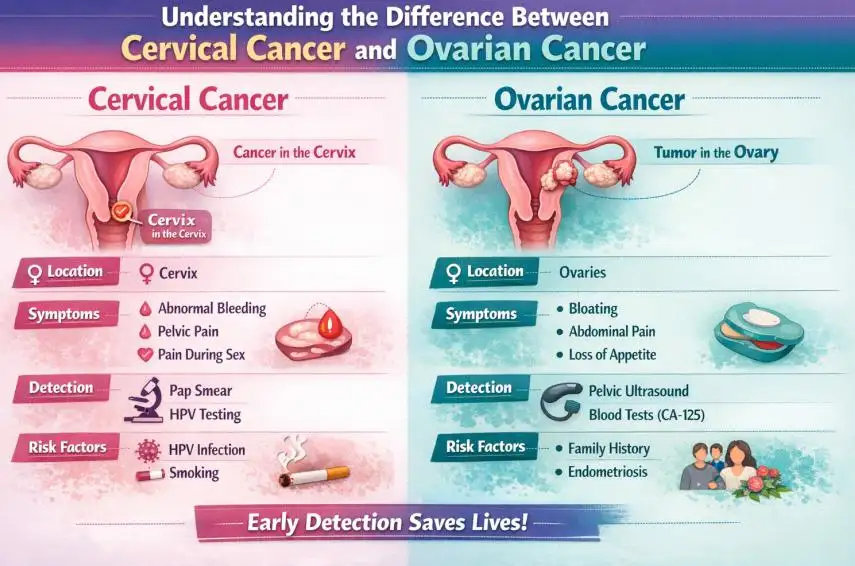
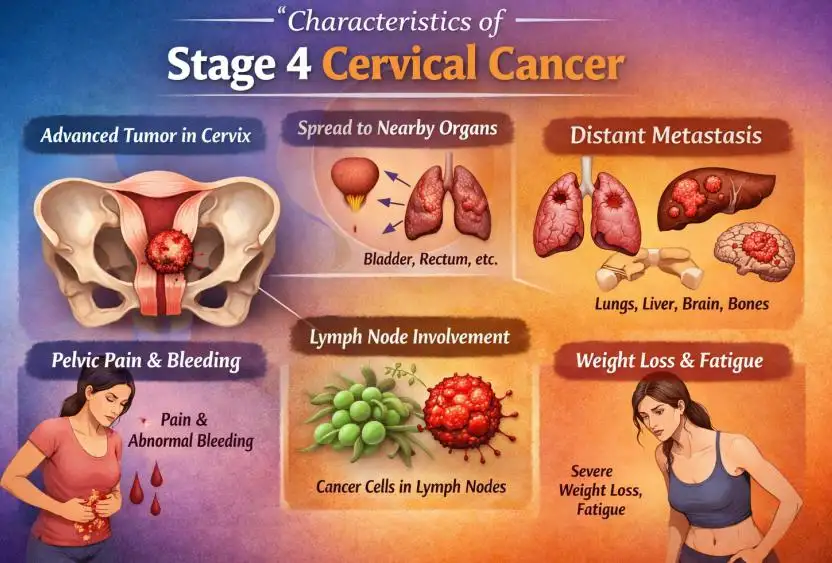
Characteristics of Stage 2 Cervical Cancer: Symptoms, Diagnosis, Treatment, and Prognosis
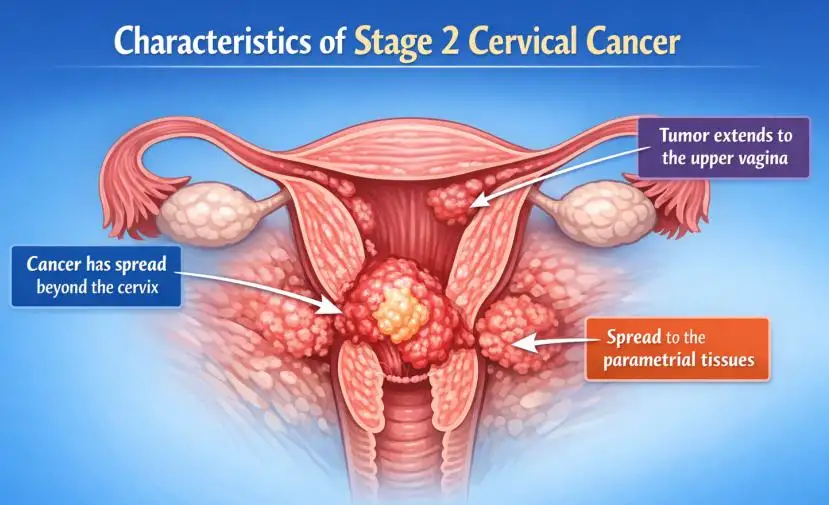
Understanding the characteristics of stage 2 cervical cancer is essential for early detection, timely treatment, and improving patient outcomes. Cervical cancer remains one of the most common cancers affecting women worldwide, and recognizing its progression stages can help individuals and healthcare providers make informed medical decisions. Stage 2 cervical cancer indicates that the cancer has spread beyond the cervix but has not yet reached the pelvic wall or the lower third of the vagina.
At this stage, many patients may begin to notice more noticeable symptoms, although some cases still remain silent. Learning about the warning signs, diagnostic procedures, and treatment options can empower patients and families to take proactive steps toward better health. This article provides a comprehensive guide to the characteristics of stage 2 cervical cancer, including causes, symptoms, treatments, survival rates, and the latest medical advancements.
Overview
Stage 2 cervical cancer is classified as a locally advanced stage of cervical cancer. It occurs when cancer cells spread from the cervix into nearby tissues, such as the upper vagina or surrounding areas of the uterus, but have not yet reached distant organs.
Doctors typically divide stage 2 cervical cancer into two subcategories based on how far the tumor has spread.
| Stage | Description |
|---|---|
| Stage 2A | Cancer has spread beyond the cervix to the upper part of the vagina but not into the tissues around the cervix. |
| Stage 2B | Cancer has spread into the tissues surrounding the cervix (parametrium) but has not reached the pelvic wall. |
One of the main characteristics of stage 2 cervical cancer is that the disease becomes more clinically detectable through symptoms and imaging tests compared to earlier stages.
Types
Cervical cancer can appear in different forms depending on the type of cells affected. The main types include:
| Type | Description |
|---|---|
| Squamous Cell Carcinoma | The most common type, developing in the thin, flat cells lining the cervix. |
| Adenocarcinoma | Originates in glandular cells responsible for mucus production in the cervix. |
| Adenosquamous Carcinoma | A rare combination of squamous and glandular cancer cells. |
Although these types differ in origin, the characteristics of stage 2 cervical cancer remain similar in terms of local spread and symptom development.
Causes and Risk Factors
The primary cause of cervical cancer is persistent infection with the Human Papillomavirus (HPV), a common sexually transmitted virus. However, not all HPV infections lead to cancer.
Several factors can increase the risk of developing cervical cancer:
| Risk Factor | Explanation |
|---|---|
| Persistent HPV infection | The most significant risk factor for cervical cancer. |
| Early sexual activity | Increases exposure to HPV infection. |
| Multiple sexual partners | Raises the likelihood of contracting HPV. |
| Smoking | Weakens the immune system and damages cervical cells. |
| Weak immune system | Conditions such as HIV increase susceptibility to cancer. |
| Long-term use of oral contraceptives | May slightly increase risk with prolonged use. |
These factors contribute to the development and progression of cervical cancer, eventually leading to stage 2 in untreated cases.
Symptoms and Early Warning Signs
The characteristics of stage 2 cervical cancer often include more noticeable symptoms compared to stage 1. However, symptoms can vary between patients.
Common symptoms include:
| Symptom | Description |
|---|---|
| Abnormal vaginal bleeding | Bleeding between periods, after intercourse, or after menopause |
| Pelvic pain | Persistent discomfort or pressure in the pelvic region |
| Pain during intercourse | Known medically as dyspareunia |
| Unusual vaginal discharge | May be watery, bloody, or foul-smelling |
| Fatigue | Caused by chronic blood loss or cancer progression |
These symptoms do not always indicate cancer, but medical evaluation is essential if they occur frequently.
Diagnosis
Diagnosing stage 2 cervical cancer involves a combination of screening tests, imaging, and tissue analysis.
Common diagnostic procedures include:
| Test | Purpose |
|---|---|
| Pap smear | Detects abnormal cervical cells |
| HPV test | Identifies high-risk HPV strains |
| Colposcopy | Examines the cervix using a magnifying device |
| Biopsy | Confirms cancer by examining tissue samples |
| MRI or CT scan | Determines how far the cancer has spread |
Accurate diagnosis helps doctors determine whether the disease fits the characteristics of stage 2 cervical cancer and choose the most effective treatment plan.
Treatment Options
Treatment depends on factors such as tumor size, spread, patient health, and fertility considerations.
Common treatments include:
| Treatment | Description |
|---|---|
| Radiation therapy | Uses high-energy rays to destroy cancer cells |
| Chemotherapy | Drugs that kill or slow the growth of cancer cells |
| Chemoradiation | Combination of chemotherapy and radiation |
| Radical hysterectomy | Surgical removal of the uterus, cervix, and surrounding tissues |
For many patients with stage 2 cervical cancer, chemoradiation is considered the standard treatment approach.
Prevention and Lifestyle Recommendations
Although cervical cancer cannot always be prevented, several strategies significantly reduce risk.
| Prevention Method | Benefit |
|---|---|
| HPV vaccination | Protects against high-risk HPV strains |
| Regular Pap tests | Detects precancerous changes early |
| Safe sexual practices | Reduces risk of HPV transmission |
| Smoking cessation | Improves immune defense and cervical health |
| Healthy diet and exercise | Supports overall immune function |
Regular screening is particularly important because cervical cancer often develops slowly over several years.
Prognosis and Survival Rates
The prognosis for stage 2 cervical cancer varies depending on treatment response, tumor size, and overall health.
Approximate five-year survival rates:
| Stage | 5-Year Survival Rate |
|---|---|
| Stage 2A | 60% – 70% |
| Stage 2B | 50% – 60% |
Early detection and appropriate treatment significantly improve survival outcomes. Understanding the characteristics of stage 2 cervical cancer helps patients recognize symptoms sooner and seek medical care promptly.
Latest Research and Innovations
Recent medical research has introduced promising advances in cervical cancer treatment and detection.
Key developments include:
-
Targeted therapy that attacks cancer cells while sparing healthy tissue
-
Immunotherapy, which boosts the immune system’s ability to fight cancer
-
AI-assisted screening tools for more accurate detection of abnormal cells
-
Improved radiation techniques that reduce damage to surrounding tissues
These innovations may lead to better survival rates and improved quality of life for cervical cancer patients in the future.
Coping and Support for Patients
A cervical cancer diagnosis can be emotionally and physically challenging. Patients often benefit from strong support systems and mental health care.
Helpful coping strategies include:
-
Joining cancer support groups
-
Seeking counseling or psychological support
-
Maintaining open communication with healthcare providers
-
Practicing stress-management techniques such as meditation or yoga
-
Relying on family and friends for emotional support
Addressing emotional well-being is just as important as medical treatment during cancer recovery.
Conclusion
The characteristics of stage 2 cervical cancer involve the spread of cancer beyond the cervix to nearby tissues while remaining confined within the pelvic region. At this stage, symptoms such as abnormal bleeding, pelvic pain, and unusual discharge often become more noticeable.
Early diagnosis, effective treatment, and regular screening are crucial for improving survival outcomes. By understanding the causes, symptoms, and treatment options, individuals can take proactive steps toward prevention and early medical intervention. Continued research and medical innovation offer hope for even better treatments and outcomes in the future.
FAQ
1. What are the main characteristics of stage 2 cervical cancer?
The main characteristics include cancer spreading beyond the cervix to nearby tissues, such as the upper vagina or surrounding cervical tissues, without reaching distant organs.
2. Is stage 2 cervical cancer curable?
Yes, stage 2 cervical cancer is often treatable and potentially curable, especially when detected early and treated with radiation therapy, chemotherapy, or surgery.
3. How fast does cervical cancer progress to stage 2?
Cervical cancer usually develops slowly over several years. However, progression speed varies depending on HPV infection, immune health, and other risk factors.
4. Can stage 2 cervical cancer be detected through screening?
Yes. Pap smears, HPV tests, and follow-up procedures like colposcopy can detect abnormalities before or during early cancer stages.
5 What is the survival rate for stage 2 cervical cancer?
The five-year survival rate typically ranges between 50% and 70%, depending on the specific subtype (2A or 2B) and how early treatment begins.