How Long Can You Survive with Cervical Cancer? Survival Rates, Treatment, and What to Expect

Cervical cancer is one of the most common cancers affecting women worldwide. Many patients and their families often ask an important question after diagnosis: how long can you survive with cervical cancer? The answer varies widely depending on several factors such as the stage of the disease, the patient’s overall health, and the treatment options available.
Understanding cervical cancer survival rates and treatment possibilities can help patients make informed decisions and feel more prepared for the journey ahead. Early detection and advances in medical treatments have significantly improved survival outcomes in recent years. In this article, we will explore the factors that influence survival, the types and symptoms of cervical cancer, available treatments, and ways patients can cope with the disease.
Overview
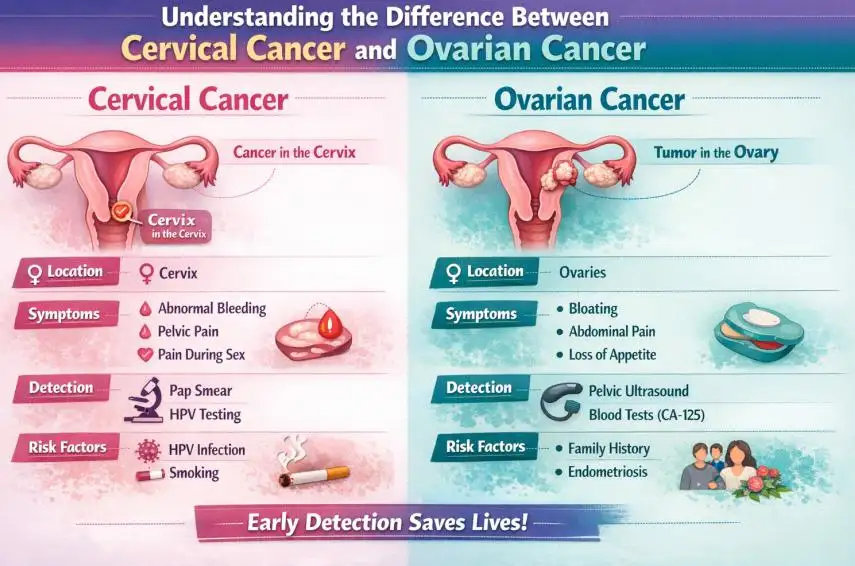
Cervical cancer develops in the cells of the cervix, the lower part of the uterus that connects to the vagina. Most cases are linked to long-term infection with the human papillomavirus (HPV), a common sexually transmitted virus.
Cervical cancer usually develops slowly over time. It often begins as precancerous changes in cervical cells, which can be detected through routine screening tests such as Pap smears and HPV tests. When diagnosed early, cervical cancer is highly treatable and has a much higher survival rate.
Types
There are several types of cervical cancer, but two main types account for the majority of cases.
| Type | Description | Frequency |
|---|---|---|
| Squamous Cell Carcinoma | Develops in the thin, flat cells lining the outer cervix | About 70–80% of cases |
| Adenocarcinoma | Develops in the glandular cells that produce mucus in the cervical canal | About 10–20% of cases |
| Rare Types | Includes small cell carcinoma and other uncommon forms | Less than 5% |
The type of cervical cancer may influence treatment decisions and survival outcomes.
Causes and Risk Factors
The primary cause of cervical cancer is persistent infection with high-risk strains of HPV. However, several additional risk factors can increase the likelihood of developing the disease.
| Risk Factor | Explanation |
|---|---|
| Persistent HPV Infection | The most significant cause of cervical cancer |
| Smoking | Weakens the immune system and damages cervical cells |
| Weakened Immune System | HIV infection or immunosuppressive medications |
| Long-term Birth Control Use | Extended use of oral contraceptives may increase risk |
| Multiple Sexual Partners | Increases the chance of HPV exposure |
| Lack of Regular Screening | Delays detection of precancerous changes |
Reducing these risk factors can help lower the chances of developing cervical cancer.
Symptoms and Early Warning Signs
In its early stages, cervical cancer may not cause noticeable symptoms. As the disease progresses, several warning signs may appear.
Common symptoms include:
-
Abnormal vaginal bleeding (between periods or after menopause)
-
Bleeding after sexual intercourse
-
Unusual vaginal discharge
-
Pelvic pain
-
Pain during intercourse
-
Lower back pain
-
Unexplained weight loss
-
Fatigue
Recognizing these symptoms early and seeking medical evaluation can significantly improve survival outcomes.
Diagnosis
Doctors use several diagnostic methods to confirm cervical cancer and determine its stage.
| Diagnostic Method | Purpose |
|---|---|
| Pap Smear Test | Detects abnormal cervical cells |
| HPV Test | Identifies high-risk HPV infections |
| Colposcopy | Examines the cervix with a magnifying device |
| Biopsy | Confirms cancer by examining tissue samples |
| Imaging Tests (CT, MRI, PET) | Determines if cancer has spread |
Accurate diagnosis and staging are crucial for selecting the most effective treatment plan.
Treatment Options
Treatment for cervical cancer depends on the stage of the disease, tumor size, and the patient’s health condition.
| Treatment | Description |
|---|---|
| Surgery | Removes cancerous tissue or the cervix/uterus |
| Radiation Therapy | Uses high-energy rays to destroy cancer cells |
| Chemotherapy | Uses drugs to kill or slow cancer growth |
| Targeted Therapy | Focuses on specific cancer cell mechanisms |
| Immunotherapy | Helps the immune system attack cancer cells |
Many patients receive a combination of treatments to achieve the best possible results.
Prevention and Lifestyle Recommendations
Although not all cases of cervical cancer can be prevented, several strategies significantly reduce the risk.
Key prevention measures include:
-
Getting the HPV vaccine
-
Regular Pap smear and HPV screening
-
Practicing safe sex
-
Avoiding smoking
-
Maintaining a healthy immune system
-
Following a balanced diet and active lifestyle
Early prevention and routine screening are the most effective ways to reduce cervical cancer incidence.
Prognosis and Survival Rates
When discussing how long can you survive with cervical cancer, survival rates depend largely on the stage at diagnosis.
| Stage | 5-Year Survival Rate |
|---|---|
| Stage 1 | 80–95% |
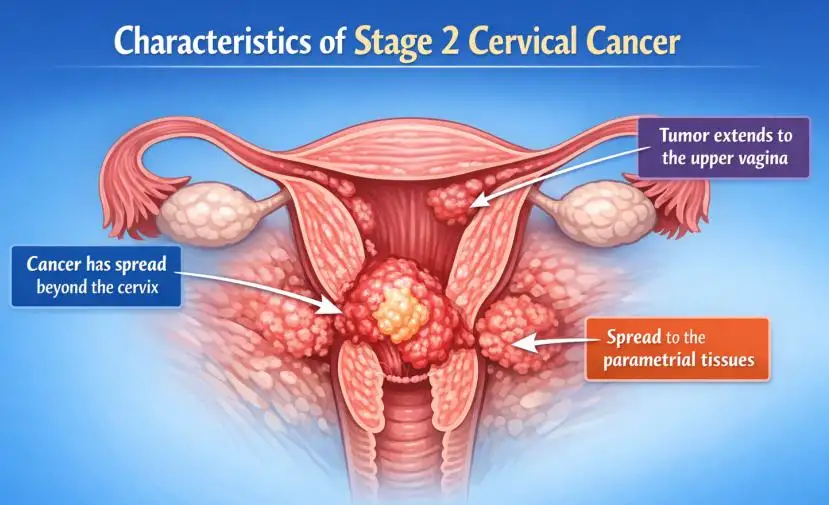
| Stage 2 | 60–75% |
| Stage 3 | 30–50% |
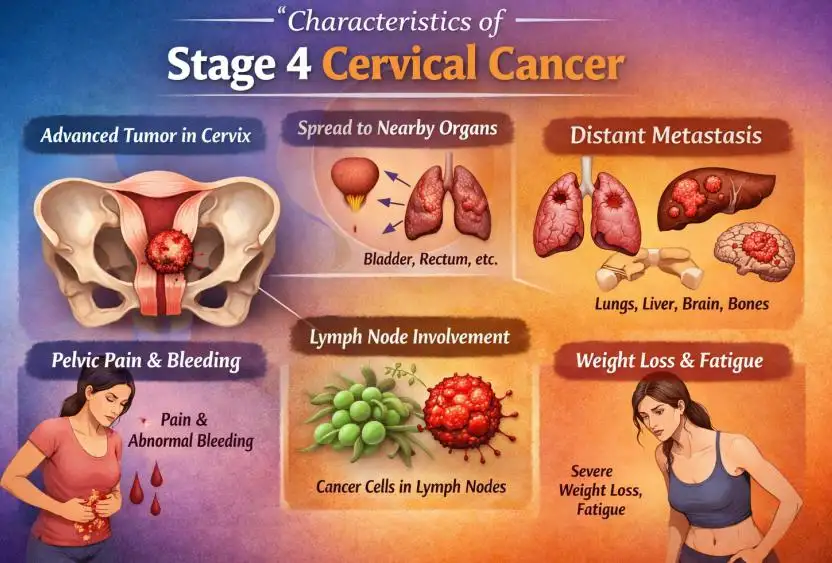
| Stage 4 | 15–20% |
These statistics represent average survival rates and may vary depending on individual factors such as treatment response and overall health.
Patients diagnosed in early stages often live many years after treatment and may achieve complete remission.
Latest Research and Innovations
Medical research continues to improve the outlook for cervical cancer patients. New therapies and technologies are being developed to increase survival rates and reduce treatment side effects.
Recent innovations include:
-
Advanced immunotherapy drugs
-
Personalized cancer treatment based on genetic profiling
-
Improved radiation techniques
-
Targeted molecular therapies
-
AI-assisted screening for earlier detection
These advancements offer new hope for patients and may significantly improve survival outcomes in the future.
Coping and Support for Patients
A cervical cancer diagnosis can be emotionally and physically challenging. Support from healthcare providers, family, and support groups can help patients navigate this difficult period.
Helpful coping strategies include:
-
Joining cancer support groups
-
Speaking with mental health professionals
-
Maintaining open communication with doctors
-
Practicing stress-reduction techniques
-
Staying physically active when possible
Emotional support plays an important role in improving quality of life during and after treatment.
Conclusion
The question how long can you survive with cervical cancer does not have a single answer. Survival depends on many factors, including the stage at diagnosis, the type of cervical cancer, treatment effectiveness, and the patient’s overall health.
The encouraging news is that early detection and modern medical treatments have significantly improved survival rates. Regular screening, HPV vaccination, and prompt treatment remain the most effective ways to reduce the impact of cervical cancer and increase long-term survival.
FAQ
1. How long can you survive with cervical cancer if detected early?
If cervical cancer is detected in Stage 1, the five-year survival rate can reach up to 90% or higher, and many patients live long, healthy lives after treatment.
2. Can cervical cancer be completely cured?
Yes, cervical cancer can often be cured if it is diagnosed and treated in its early stages.
3. Is Stage 4 cervical cancer always fatal?
Stage 4 cervical cancer is more difficult to treat, but treatments can still extend life and improve quality of life for many patients.
4. What is the most important factor affecting survival?
The stage at which cervical cancer is diagnosed is the most critical factor influencing survival rates.
5. Does HPV vaccination prevent cervical cancer?
The HPV vaccine significantly reduces the risk of developing cervical cancer by protecting against the most dangerous strains of HPV.