Habits That Cause Cervical Cancer: Risky Behaviors Every Woman Should Know

Cervical cancer remains one of the most preventable yet still common cancers affecting women worldwide. Despite advances in screening and vaccination, thousands of new cases are diagnosed each year. One of the key reasons is that many people are unaware of the everyday habits that cause cervical cancer and increase the likelihood of developing this disease.
Understanding these habits is an important step toward prevention. Certain lifestyle choices, health behaviors, and risk exposures can significantly raise the chances of persistent infections and abnormal cell changes in the cervix. By recognizing these risk factors early, women can take proactive steps to protect their health and reduce the risk of cervical cancer.
Overview
Cervical cancer develops in the cells of the cervix, which is the lower part of the uterus that connects to the vagina. The majority of cervical cancer cases are linked to persistent infection with high-risk types of the human papillomavirus (HPV).
However, HPV infection alone does not always lead to cancer. The progression from infection to cancer often takes many years and is influenced by several behavioral and lifestyle factors. Many of these are habits that cause cervical cancer or increase susceptibility to the disease.
Understanding these behaviors allows individuals to adopt preventive measures and seek timely medical care when necessary.
Types
Cervical cancer is generally classified into two main types based on the type of cells affected.
| Type | Description | Prevalence |
|---|---|---|
| Squamous Cell Carcinoma | Develops from the thin, flat cells lining the outer part of the cervix | About 70–80% of cases |
| Adenocarcinoma | Begins in the glandular cells that produce mucus in the cervical canal | About 10–25% of cases |
| Mixed Carcinoma | Contains both squamous and glandular cancer cells | Rare |
Both types can develop slowly over time, usually beginning with precancerous changes in cervical cells.
Causes and Risk Factors
The primary cause of cervical cancer is persistent infection with high-risk strains of HPV. However, several lifestyle behaviors and habits significantly increase the risk of developing cervical cancer.
Common Habits That Cause Cervical Cancer
| Habit | Why It Increases Risk |
|---|---|
| Smoking | Weakens the immune system and damages cervical cells |
| Having multiple sexual partners | Increases exposure to HPV infection |
| Early sexual activity | The cervix is more vulnerable to HPV infection at a younger age |
| Not using protection during sex | Raises the risk of HPV and other sexually transmitted infections |
| Poor genital hygiene | May contribute to chronic infections and inflammation |
| Long-term use of hormonal contraceptives without medical supervision | Some studies suggest a slight increased risk with prolonged use |
| Ignoring regular cervical screening | Delays detection of precancerous changes |
Other important risk factors include:
-
Weak immune system
-
Long-term HPV infection
-
History of sexually transmitted infections
-
Family history of cervical cancer
-
Lack of HPV vaccination
Symptoms and Early Warning Signs
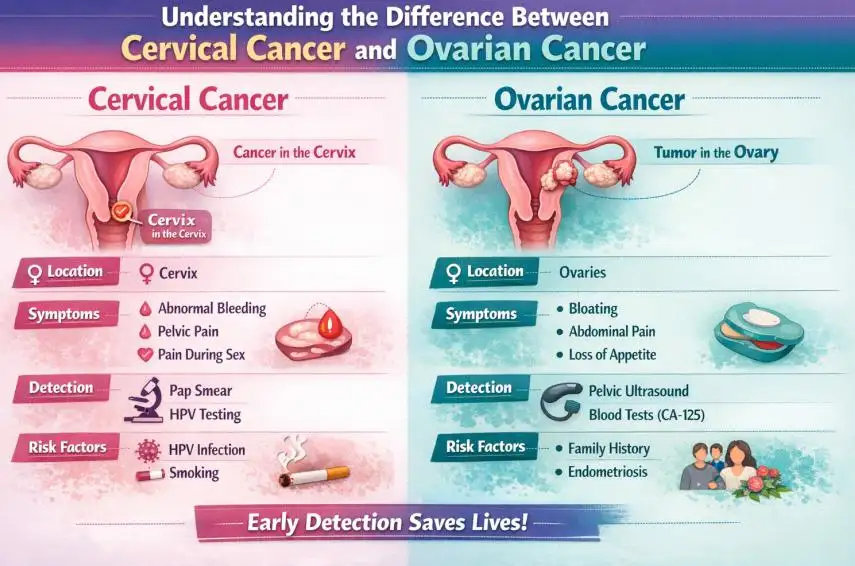
In its early stages, cervical cancer often does not produce noticeable symptoms. As the disease progresses, however, several warning signs may appear.
Common symptoms include:
-
Abnormal vaginal bleeding (especially after intercourse)
-
Bleeding between menstrual periods
-
Pelvic pain or discomfort
-
Pain during sexual intercourse
-
Unusual vaginal discharge with odor
-
Fatigue or unexplained weight loss
If any of these symptoms persist, medical evaluation should be sought promptly.
Diagnosis
Early diagnosis plays a critical role in successful treatment and improved survival outcomes.
Healthcare providers may use the following diagnostic methods:
| Diagnostic Test | Purpose |
|---|---|
| Pap smear (Pap test) | Detects abnormal cervical cells |
| HPV test | Identifies high-risk HPV strains |
| Colposcopy | Examines the cervix using magnification |
| Cervical biopsy | Confirms the presence of cancer cells |
| Imaging tests (MRI, CT scan) | Determines cancer spread and staging |
Regular screening is the most effective way to detect precancerous changes before they develop into cervical cancer.
Treatment Options
Treatment depends on the stage of the cancer, the patient's overall health, and reproductive goals.
| Treatment Method | Description |
|---|---|
| Surgery | Removes cancerous tissue or the cervix/uterus |
| Radiation therapy | Uses high-energy radiation to destroy cancer cells |
| Chemotherapy | Uses drugs to kill or slow cancer growth |
| Targeted therapy | Focuses on specific cancer cell mechanisms |
| Immunotherapy | Boosts the body's immune system to fight cancer |
Early-stage cervical cancer often has more treatment options and higher success rates.
Prevention and Lifestyle Recommendations
Many habits that cause cervical cancer can be modified or avoided. Preventive strategies are essential in reducing the risk of developing the disease.
Key Prevention Strategies
| Prevention Method | Benefits |
|---|---|
| HPV vaccination | Protects against high-risk HPV strains |
| Regular Pap smear screening | Detects precancerous cell changes |
| Safe sexual practices | Reduces HPV transmission |
| Avoid smoking | Protects immune and cervical health |
| Healthy lifestyle | Strengthens immune system |
Additional lifestyle recommendations include maintaining a balanced diet, exercising regularly, and limiting exposure to risk factors associated with HPV infection.
Prognosis and Survival Rates
The prognosis for cervical cancer largely depends on how early the disease is detected and treated.
| Stage | Approximate 5-Year Survival Rate |
|---|---|
| Stage 1 | 80–90% |
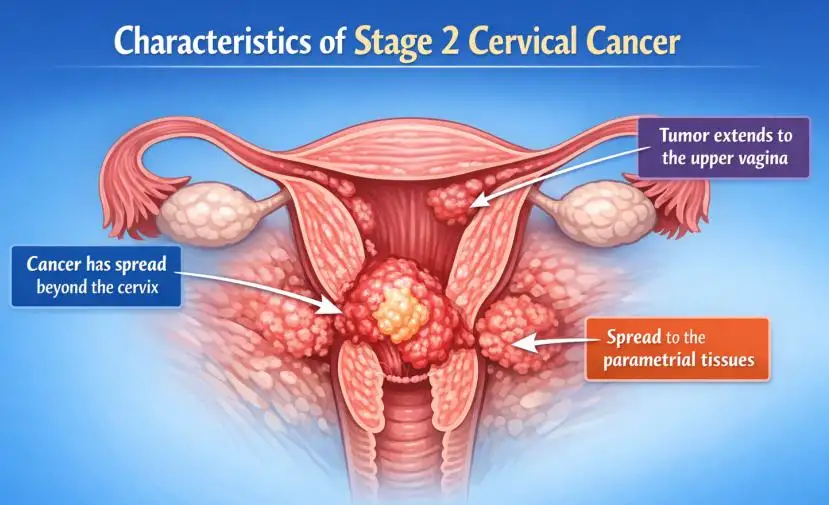
| Stage 2 | 60–70% |
| Stage 3 | 30–50% |
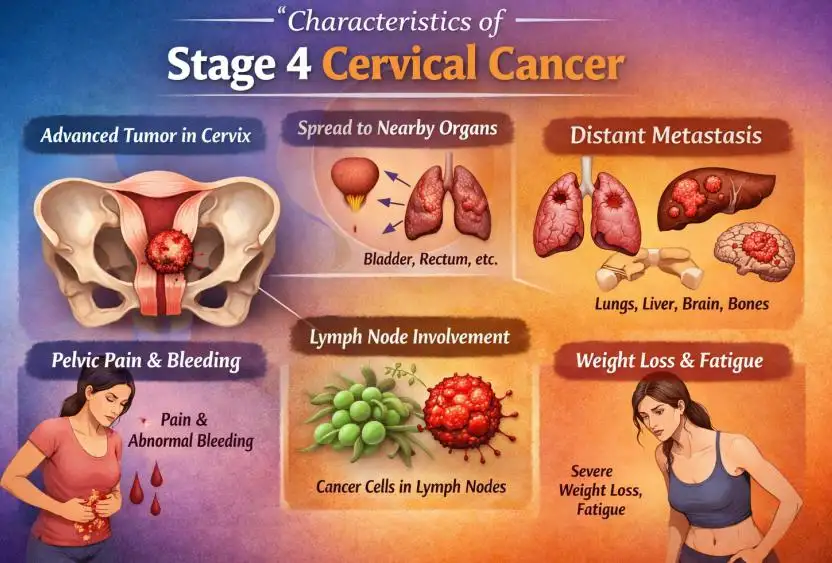
| Stage 4 | 15–20% |
Early screening significantly improves survival outcomes, which is why preventive healthcare plays a crucial role.
Latest Research and Innovations
Medical research continues to improve cervical cancer prevention, diagnosis, and treatment.
Recent developments include:
-
Advanced HPV vaccines offering broader protection
-
Improved screening methods using HPV DNA testing
-
Immunotherapy treatments that enhance immune response to cancer cells
-
AI-assisted diagnostic tools to detect abnormal cervical cells earlier
These innovations offer hope for reducing cervical cancer incidence worldwide.
Coping and Support for Patients
A cervical cancer diagnosis can be emotionally and physically challenging. Patients often benefit from comprehensive support systems.
Helpful support strategies include:
-
Counseling or psychological therapy
-
Cancer support groups
-
Nutritional and lifestyle guidance
-
Family and community support
-
Communication with healthcare providers
Emotional well-being is an important part of cancer treatment and recovery.
Conclusion
Understanding the habits that cause cervical cancer is an essential step toward prevention and early intervention. Many of these risk factors are related to lifestyle behaviors that can be modified through education, awareness, and regular medical care.
By adopting healthier habits, practicing safe sexual behaviors, receiving HPV vaccination, and attending regular cervical screenings, women can significantly reduce their risk of developing cervical cancer. Prevention and early detection remain the most powerful tools in the fight against this disease.
FAQ
1. What is the most common cause of cervical cancer?
The most common cause is persistent infection with high-risk types of the human papillomavirus (HPV).
2. Can lifestyle habits increase cervical cancer risk?
Yes. Smoking, having multiple sexual partners, and neglecting regular cervical screening are among the habits that cause cervical cancer or increase the risk.
3. Can cervical cancer be prevented?
In many cases, cervical cancer can be prevented through HPV vaccination, regular Pap smear tests, and healthy lifestyle choices.
4. At what age should women start cervical cancer screening?
Most health organizations recommend beginning Pap smear screening around age 21 and continuing at regular intervals based on medical advice.
5. Does HPV infection always lead to cervical cancer?
No. Most HPV infections clear naturally, but persistent infection with high-risk strains can lead to cervical cancer over time.