How to Avoid Getting Cervical Cancer: Complete Guide to Prevention, Early Detection, and Healthy Living

Cervical cancer remains one of the most preventable types of cancer when proper precautions are taken. Understanding how to avoid getting cervical cancer is essential for women of all ages, as early awareness and preventive measures can dramatically reduce the risk of developing this disease. With advances in medical science, effective screening programs, vaccinations, and lifestyle changes now make cervical cancer largely preventable.
Despite this progress, many people still lack accurate information about risk factors, early warning signs, and the importance of regular screening. By learning more about how to avoid getting cervical cancer, individuals can make informed health decisions, detect potential problems early, and maintain long-term reproductive health.
Overview
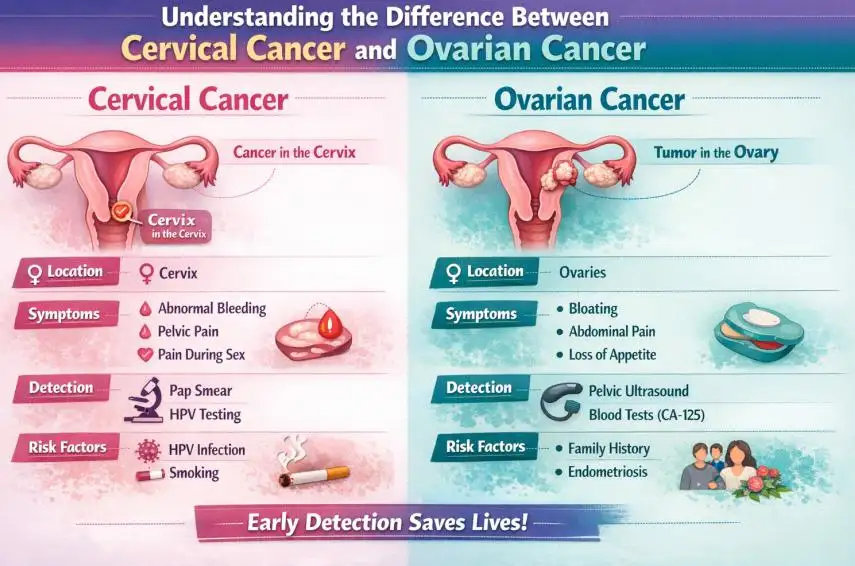
Cervical cancer develops in the cells of the cervix, which is the lower part of the uterus that connects to the vagina. The disease typically develops slowly over many years and often begins with precancerous changes in cervical cells.
Most cases of cervical cancer are linked to persistent infection with certain types of the Human Papillomavirus (HPV). Fortunately, with early detection and preventive strategies, cervical cancer can often be stopped before it progresses into a serious condition.
Key facts about cervical cancer include:
| Aspect | Description |
|---|---|
| Affected organ | Cervix (lower part of the uterus) |
| Main cause | Persistent HPV infection |
| Prevention | HPV vaccination, regular screening |
| Detectable early? | Yes, through Pap smear and HPV testing |
| Treatment success | High when detected early |
Understanding how to avoid getting cervical cancer begins with knowledge about its types, causes, and prevention strategies.
Types
Cervical cancer is categorized based on the type of cells where the cancer originates.
| Type | Description | Frequency |
|---|---|---|
| Squamous Cell Carcinoma | Begins in the thin, flat cells lining the outer cervix | Most common (about 70–90%) |
| Adenocarcinoma | Starts in the glandular cells that produce mucus in the cervical canal | Less common |
| Mixed Carcinoma | Contains both squamous and glandular cancer cells | Rare |
Each type may require slightly different treatment approaches, but prevention strategies remain largely the same.
Causes and Risk Factors
Understanding the causes and risk factors is essential when learning how to avoid getting cervical cancer.
The most important cause is persistent infection with high-risk HPV types, particularly HPV-16 and HPV-18.
Other significant risk factors include:
| Risk Factor | Explanation |
|---|---|
| HPV infection | Responsible for most cervical cancer cases |
| Early sexual activity | Increases exposure to HPV |
| Multiple sexual partners | Raises the likelihood of HPV transmission |
| Smoking | Weakens the immune system and damages cervical cells |
| Weak immune system | Makes it harder to fight HPV infections |
| Long-term use of oral contraceptives | Slightly increases risk with prolonged use |
| Lack of regular screening | Prevents early detection of abnormal cells |
Reducing exposure to these risk factors plays a major role in how to avoid getting cervical cancer.
Symptoms and Early Warning Signs
Cervical cancer often does not produce noticeable symptoms in its early stages. However, as the disease progresses, certain signs may appear.
Common symptoms include:
| Symptom | Description |
|---|---|
| Abnormal vaginal bleeding | Bleeding between periods or after intercourse |
| Unusual vaginal discharge | May be watery, bloody, or have a strong odor |
| Pelvic pain | Persistent pain in the lower abdomen |
| Pain during intercourse | Discomfort or pain during sexual activity |
| Heavy menstrual periods | Longer or heavier than normal cycles |
If any of these symptoms occur, medical evaluation should be sought promptly.
Diagnosis
Early diagnosis greatly improves treatment outcomes. Several medical tests are commonly used to detect cervical cancer.
| Diagnostic Method | Purpose |
|---|---|
| Pap Smear Test | Detects abnormal cervical cells |
| HPV Test | Identifies high-risk HPV infections |
| Colposcopy | Examines cervix using magnification |
| Cervical Biopsy | Confirms cancer by examining tissue samples |
| Imaging tests | CT scan, MRI, or PET scan to check cancer spread |
Routine screening is one of the most effective strategies for how to avoid getting cervical cancer through early detection of precancerous changes.
Treatment Options
Treatment depends on the stage of cancer, the patient’s overall health, and whether the patient wishes to preserve fertility.
Common treatment methods include:
| Treatment | Description |
|---|---|
| Surgery | Removal of cancerous tissue or cervix |
| Radiation Therapy | High-energy radiation to destroy cancer cells |
| Chemotherapy | Drugs used to kill cancer cells |
| Targeted Therapy | Focuses on specific cancer cell mechanisms |
| Immunotherapy | Boosts the immune system to fight cancer |
Early-stage cervical cancer often has very successful treatment outcomes.
Prevention and Lifestyle Recommendations
The most effective approach to how to avoid getting cervical cancer involves a combination of vaccination, screening, and healthy lifestyle choices.
Key prevention strategies include:
| Prevention Method | Benefit |
|---|---|
| HPV vaccination | Protects against high-risk HPV types |
| Regular Pap smears | Detect precancerous changes early |
| Safe sexual practices | Reduces HPV transmission |
| Limiting sexual partners | Decreases exposure risk |
| Quitting smoking | Improves immune response |
| Maintaining strong immunity | Helps the body clear HPV infections |
Health experts recommend HPV vaccination for adolescents and young adults before exposure to the virus.
Prognosis and Survival Rates
The prognosis of cervical cancer largely depends on the stage at which it is diagnosed.
| Stage | 5-Year Survival Rate (Approx.) |
|---|---|
| Stage I | 80–95% |
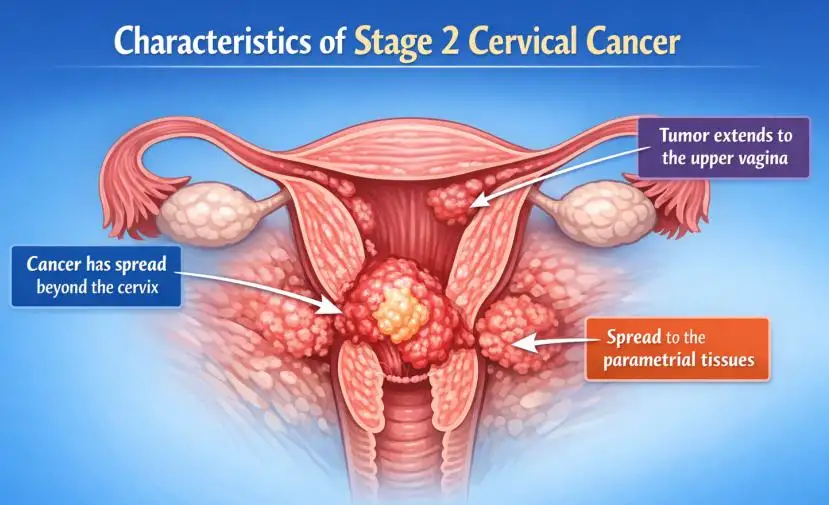
| Stage II | 60–75% |
| Stage III | 30–50% |
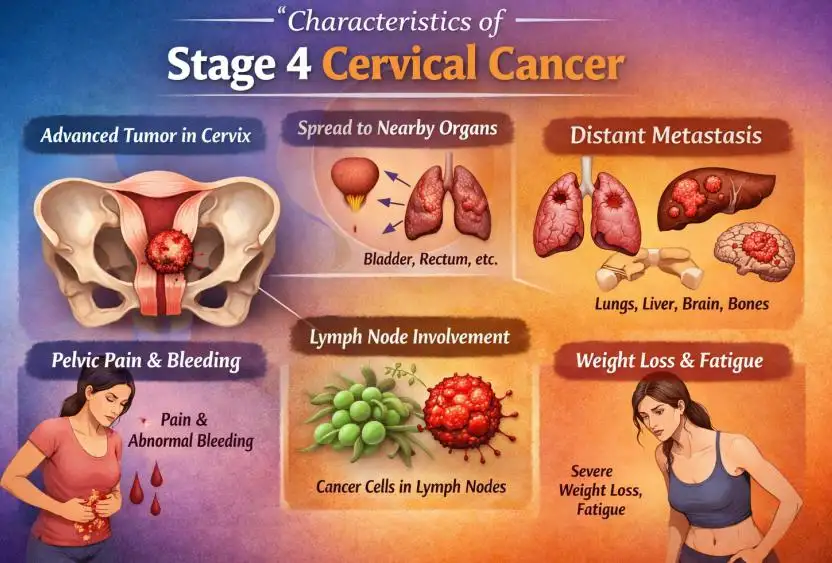
| Stage IV | 15–20% |
These statistics highlight the importance of prevention and early screening in improving survival outcomes.
Latest Research and Innovations
Medical research continues to improve the prevention and treatment of cervical cancer. Recent innovations include:
-
Improved HPV vaccines covering more virus strains
-
AI-assisted screening technologies for earlier detection
-
Targeted molecular therapies for advanced cancers
-
Personalized treatment plans based on genetic analysis
-
Immunotherapy advancements for resistant cancer types
These developments offer hope for even better prevention strategies and improved survival rates in the future.
Coping and Support for Patients
A cervical cancer diagnosis can be emotionally challenging. Psychological support and access to reliable information are vital for patients and their families.
Support options include:
| Support Type | Benefit |
|---|---|
| Counseling services | Helps manage emotional stress |
| Support groups | Connects patients with similar experiences |
| Family support | Encourages emotional stability |
| Patient education programs | Improves understanding of treatment options |
| Lifestyle coaching | Helps maintain physical and mental health |
Emotional well-being is an important part of recovery and overall quality of life.
Conclusion
Learning how to avoid getting cervical cancer is one of the most powerful steps women can take to protect their health. Through HPV vaccination, routine screenings, safe lifestyle choices, and early medical consultation, the risk of developing cervical cancer can be significantly reduced.
Awareness, education, and proactive healthcare decisions remain the strongest defenses against this disease. With modern medical advancements and preventive strategies, cervical cancer is increasingly becoming a preventable and treatable condition.
FAQ
1. What is the main cause of cervical cancer?
The primary cause of cervical cancer is persistent infection with high-risk types of the Human Papillomavirus (HPV).
2. Can cervical cancer be prevented?
Yes. HPV vaccination, regular Pap smear tests, and safe sexual practices significantly reduce the risk.
3. At what age should cervical cancer screening start?
Most health organizations recommend beginning Pap smear screening at age 21.
4. Is cervical cancer curable?
When detected early, cervical cancer is highly treatable and often curable.
5. How often should a Pap smear be done?
Many experts recommend screening every 3 years, or as advised by a healthcare provider depending on age and risk factors.