Early Stage Cervical Cancer Symptoms: Signs, Causes, Diagnosis, and Treatment You Should Know

Cervical cancer is one of the most common cancers affecting women worldwide. The good news is that when detected early, it is highly treatable and often curable. Recognizing early stage cervical cancer symptoms can play a crucial role in preventing the disease from progressing to more advanced stages. Unfortunately, many women are unaware of the subtle warning signs that may appear during the early phase of the condition.
Understanding the symptoms, causes, and available treatments empowers women to take control of their health. Regular screening and awareness of early signs can significantly improve outcomes. In this article, we will explore early stage cervical cancer symptoms, risk factors, diagnostic methods, treatment options, and preventive strategies in a clear and comprehensive way.
Overview
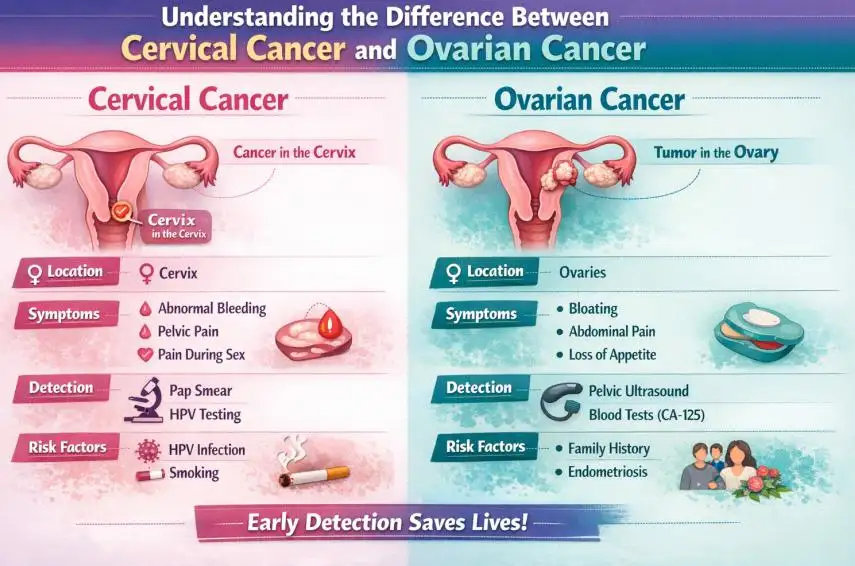
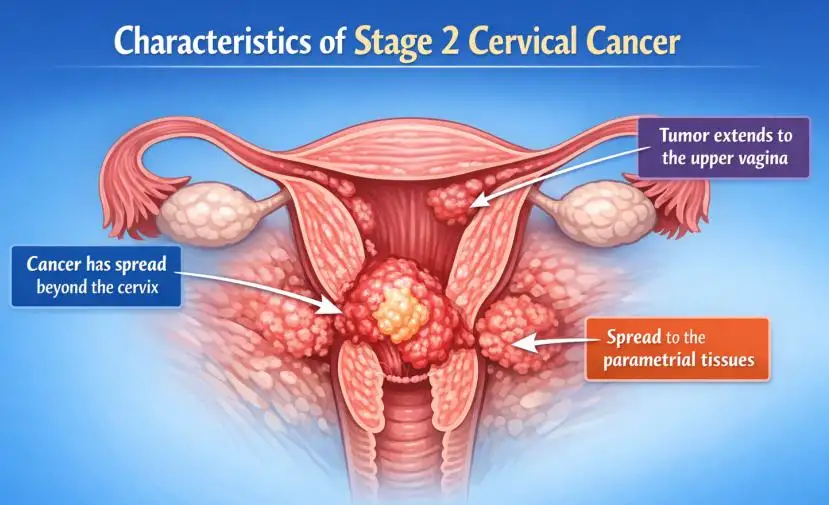
Cervical cancer occurs when abnormal cells develop in the cervix, the lower part of the uterus that connects to the vagina. Most cases develop slowly over several years, starting as precancerous changes before becoming invasive cancer.
Early detection is critical because the disease often develops silently in the beginning. However, recognizing early stage cervical cancer symptoms and undergoing routine screening tests such as Pap smears can dramatically reduce the risk of advanced disease.
Key facts about cervical cancer:
| Aspect | Description |
|---|---|
| Affected Area | Cervix (lower part of the uterus) |
| Main Cause | Persistent HPV infection |
| Early Detection | Pap smear and HPV testing |
| Treatability | Highly treatable when detected early |
| Prevention | HPV vaccination and regular screening |
Types of Cervical Cancer
Cervical cancer can be classified into several types depending on the type of cells involved.
| Type | Description |
|---|---|
| Squamous Cell Carcinoma | The most common type, starting in the thin flat cells lining the cervix |
| Adenocarcinoma | Develops in glandular cells that produce mucus |
| Adenosquamous Carcinoma | A rare type containing both squamous and glandular cancer cells |
| Small Cell Cervical Cancer | A very rare and aggressive form |
Understanding the type of cancer helps doctors determine the most effective treatment approach.
Causes and Risk Factors
The primary cause of cervical cancer is a persistent infection with the Human Papillomavirus (HPV), a common sexually transmitted virus. While many HPV infections clear on their own, some strains can cause abnormal cervical cell changes that eventually develop into cancer.
Major risk factors include:
| Risk Factor | Explanation |
|---|---|
| HPV Infection | Responsible for nearly all cervical cancer cases |
| Early Sexual Activity | Increases risk of HPV exposure |
| Multiple Sexual Partners | Raises likelihood of HPV infection |
| Smoking | Weakens the immune system and increases cancer risk |
| Weak Immune System | Makes it harder to fight HPV infections |
| Long-term Birth Control Use | Slightly increases risk in some women |
| Lack of Regular Screening | Delays detection of abnormal cells |
Understanding these risk factors can help women take proactive preventive measures.
Early Stage Cervical Cancer Symptoms and Early Warning Signs
One of the challenges of cervical cancer is that early stage cervical cancer symptoms may be mild or even absent. However, some warning signs can appear and should never be ignored.
Common early symptoms include:
| Symptom | Description |
|---|---|
| Abnormal Vaginal Bleeding | Bleeding between periods, after sex, or after menopause |
| Unusual Vaginal Discharge | Watery, bloody, or foul-smelling discharge |
| Pelvic Pain | Persistent pain or discomfort in the pelvic area |
| Pain During Intercourse | Also known as dyspareunia |
| Longer or Heavier Periods | Menstrual cycles may become irregular |
If any of these symptoms occur repeatedly, it is important to seek medical evaluation immediately.
Diagnosis
Early detection significantly increases the chances of successful treatment. Doctors use several diagnostic tools to identify cervical cancer.
Common diagnostic methods include:
| Test | Purpose |
|---|---|
| Pap Smear | Detects abnormal cervical cells |
| HPV Test | Identifies high-risk HPV infections |
| Colposcopy | Allows a detailed examination of the cervix |
| Biopsy | Confirms cancer by analyzing tissue samples |
| Imaging Tests | CT scans, MRI, or PET scans to check cancer spread |
Routine screening remains the most effective method for detecting cervical abnormalities before cancer develops.
Treatment Options
Treatment for cervical cancer depends on the stage, size of the tumor, and overall health of the patient. When diagnosed early, treatment is often highly successful.
| Treatment | Description |
|---|---|
| Surgery | Removal of cancerous tissue or cervix |
| Hysterectomy | Removal of the uterus in some cases |
| Radiation Therapy | Uses high-energy rays to kill cancer cells |
| Chemotherapy | Uses drugs to destroy cancer cells |
| Targeted Therapy | Focuses on specific cancer cell characteristics |
Early-stage cervical cancer may sometimes be treated with surgery alone.
Prevention and Lifestyle Recommendations
Preventing cervical cancer involves a combination of vaccination, screening, and healthy lifestyle habits.
Important preventive steps include:
| Prevention Strategy | Benefit |
|---|---|
| HPV Vaccination | Protects against high-risk HPV strains |
| Regular Pap Smears | Detects abnormal cells early |
| Safe Sexual Practices | Reduces HPV transmission |
| Quit Smoking | Improves immune function |
| Healthy Diet | Supports immune health |
Women are encouraged to follow recommended screening guidelines based on age and risk factors.
Prognosis and Survival Rates
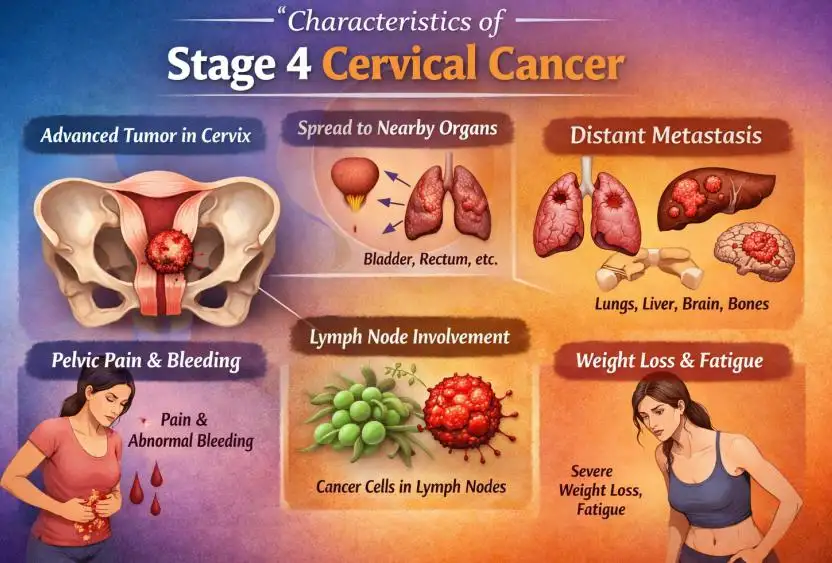
The prognosis for cervical cancer largely depends on how early it is detected. When diagnosed in the early stages, survival rates are significantly higher.
| Stage | 5-Year Survival Rate |
|---|---|
| Localized (Early Stage) | Around 90% |
| Regional Spread | Around 60% |
| Distant Spread | Around 20% |
This highlights the importance of recognizing early stage cervical cancer symptoms and seeking medical care promptly.
Latest Research and Innovations
Medical research continues to improve cervical cancer detection and treatment.
Recent advancements include:
-
Improved HPV testing technologies
-
More effective HPV vaccines
-
Targeted cancer therapies
-
Immunotherapy treatments
-
AI-assisted cervical screening tools
These innovations are helping doctors diagnose cervical cancer earlier and treat it more effectively.
Coping and Support for Patients
A cervical cancer diagnosis can be emotionally challenging. Support from healthcare professionals, family, and support groups can make a significant difference.
Helpful coping strategies include:
-
Joining cancer support communities
-
Seeking professional counseling
-
Maintaining open communication with healthcare providers
-
Practicing stress-management techniques
-
Staying physically active when possible
Emotional support is just as important as medical treatment during recovery.
Conclusion
Recognizing early stage cervical cancer symptoms is essential for early detection and successful treatment. While cervical cancer may not show obvious signs in the beginning, symptoms such as abnormal bleeding, unusual discharge, and pelvic pain should never be ignored.
Regular screening, HPV vaccination, and healthy lifestyle choices can significantly reduce the risk of developing cervical cancer. By staying informed and proactive about reproductive health, women can protect themselves and improve their chances of early diagnosis and effective treatment.
FAQ
1. What are the earliest signs of cervical cancer?
The earliest signs may include abnormal vaginal bleeding, unusual discharge, pelvic pain, or discomfort during sexual intercourse.
2. Can cervical cancer develop without symptoms?
Yes. In many cases, early cervical cancer may not cause noticeable symptoms. That is why routine Pap smear screenings are extremely important.
3. At what age does cervical cancer usually occur?
Cervical cancer most commonly affects women between the ages of 35 and 44, although it can occur earlier or later.
4. Is cervical cancer curable if detected early?
Yes. When diagnosed in the early stages, cervical cancer has a very high treatment success rate.
5. How often should women get screened for cervical cancer?
Most medical guidelines recommend Pap smear screening every 3 years for women aged 21–65, or as advised by a healthcare provider.