Characteristics of Stage 4 Cervical Cancer: Symptoms, Causes, Treatment, and Survival Insights
Understanding the characteristics of stage 4 cervical cancer is essential for recognizing how this advanced stage of cancer affects the body and what treatment options may still be available. Cervical cancer begins in the cells of the cervix and typically develops slowly over time. When it progresses to stage 4, the disease has spread beyond the cervix to nearby organs or distant parts of the body.
Although a stage 4 diagnosis can feel overwhelming, medical advancements continue to improve treatment strategies and supportive care. Learning about the characteristics of stage 4 cervical cancer, including symptoms, causes, diagnosis, and treatment options, can help patients and families make informed decisions and better understand the journey ahead.
Overview
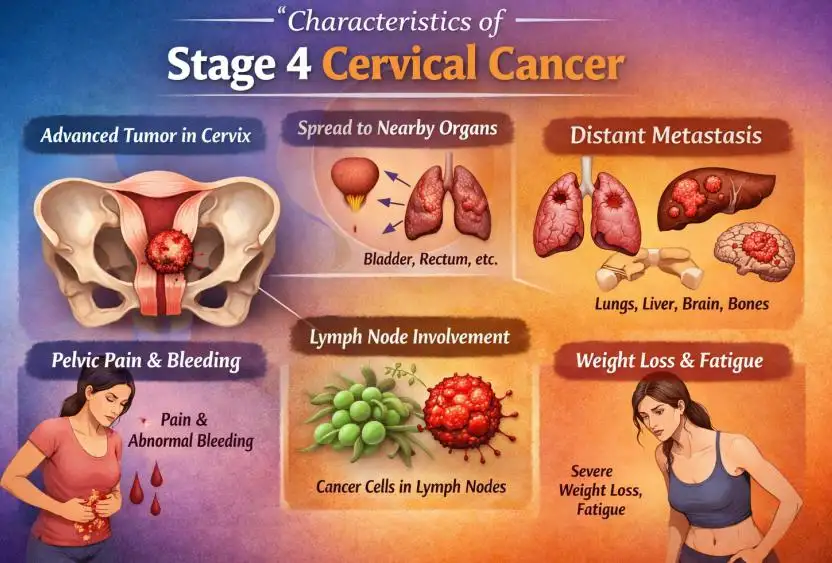
Stage 4 cervical cancer is considered the most advanced stage of cervical cancer. At this stage, the cancer has spread outside the pelvis or invaded nearby organs such as the bladder or rectum. In some cases, the disease may also metastasize to distant organs like the lungs, liver, or bones.
Doctors classify stage 4 cervical cancer into two subcategories based on how far the cancer has spread.
| Stage | Description |
|---|---|
| Stage 4A | Cancer has spread to nearby organs such as the bladder or rectum |
| Stage 4B | Cancer has spread to distant organs like the lungs, liver, or bones |
Recognizing the characteristics of stage 4 cervical cancer can help identify the disease's severity and guide treatment decisions.
Types
Cervical cancer is mainly categorized by the type of cells where the cancer begins. Even in stage 4, these types remain relevant for treatment planning.
| Type | Description |
|---|---|
| Squamous Cell Carcinoma | The most common type, developing from the thin, flat cells lining the cervix |
| Adenocarcinoma | Develops from glandular cells in the cervical canal |
| Adenosquamous Carcinoma | A combination of squamous and glandular cancer cells |
| Rare Types | Includes small cell carcinoma or neuroendocrine tumors |
Each type may respond differently to treatment, making accurate diagnosis essential.
Causes and Risk Factors
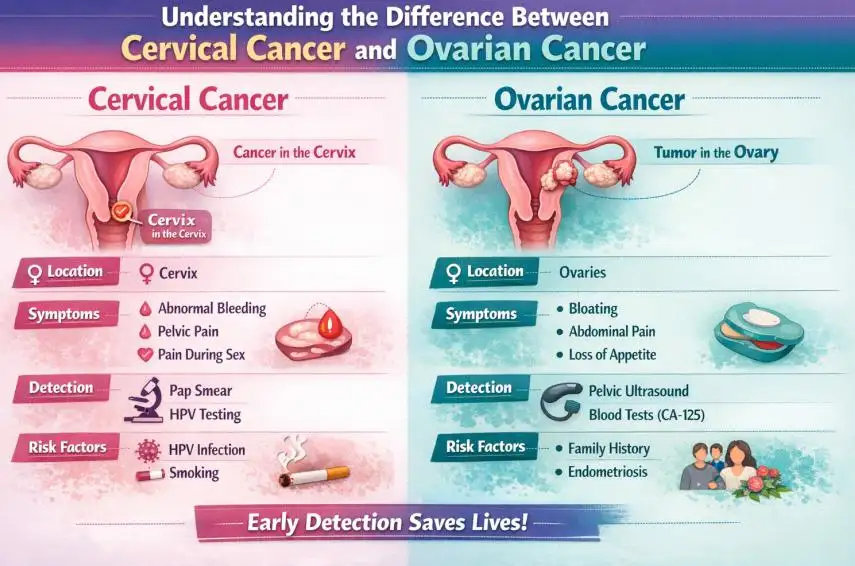
The primary cause of cervical cancer is a persistent infection with high-risk strains of the Human Papillomavirus (HPV). However, not everyone infected with HPV develops cancer. Several risk factors increase the likelihood of progression to advanced stages.
Common risk factors include:
| Risk Factor | Explanation |
|---|---|
| Persistent HPV Infection | Long-term infection with high-risk HPV types |
| Smoking | Weakens the immune system and increases cancer risk |
| Weakened Immune System | Conditions such as HIV can increase vulnerability |
| Lack of Regular Screening | Delayed detection allows cancer to progress |
| Multiple Sexual Partners | Increases exposure to HPV |
| Early Sexual Activity | Raises the chance of HPV infection |
Understanding these factors can help individuals adopt preventive measures.
Symptoms and Early Warning Signs
One of the most noticeable characteristics of stage 4 cervical cancer is the presence of severe or widespread symptoms due to cancer spreading to other organs.
Common symptoms include:
| Symptom | Description |
|---|---|
| Persistent pelvic pain | Continuous discomfort or pressure in the pelvic region |
| Abnormal vaginal bleeding | Bleeding after menopause or between periods |
| Pain during intercourse | Caused by tumor growth affecting surrounding tissues |
| Difficulty urinating | Occurs when cancer affects the bladder |
| Blood in urine or stool | Indicates spread to nearby organs |
| Severe fatigue | Result of cancer progression |
| Swelling in legs | Caused by blocked lymph nodes |
| Unexplained weight loss | Common in advanced cancers |
These symptoms should prompt immediate medical evaluation.
Diagnosis
Diagnosing stage 4 cervical cancer involves several tests to determine the location and extent of cancer spread.
Doctors typically use the following diagnostic tools:
| Diagnostic Test | Purpose |
|---|---|
| Pelvic Examination | Physical examination of the cervix and surrounding tissues |
| Pap Test | Detects abnormal cervical cells |
| HPV Test | Identifies high-risk HPV strains |
| Biopsy | Confirms the presence of cancer cells |
| CT Scan | Detects cancer spread to organs |
| MRI | Provides detailed images of pelvic structures |
| PET Scan | Identifies metastasis in the body |
Accurate diagnosis is crucial for selecting the most appropriate treatment plan.
Treatment Options
Treatment for stage 4 cervical cancer focuses on controlling the disease, relieving symptoms, and improving quality of life. While a complete cure may be difficult in some cases, treatments can still significantly extend survival.
| Treatment | Purpose |
|---|---|
| Chemotherapy | Uses drugs to kill cancer cells throughout the body |
| Radiation Therapy | Targets and shrinks tumors |
| Targeted Therapy | Attacks specific cancer cell proteins |
| Immunotherapy | Helps the immune system fight cancer |
| Surgery | Sometimes used to remove affected tissues |
| Palliative Care | Focuses on symptom relief and comfort |
Often, doctors combine several treatments to achieve the best possible outcome.
Prevention and Lifestyle Recommendations
Even though stage 4 cervical cancer represents advanced disease, prevention strategies remain crucial for reducing future cases.
Recommended preventive measures include:
| Prevention Strategy | Benefit |
|---|---|
| HPV Vaccination | Protects against high-risk HPV strains |
| Regular Pap Smears | Detects abnormal cells early |
| Safe Sexual Practices | Reduces HPV exposure |
| Smoking Cessation | Strengthens immune defense |
| Healthy Diet | Supports overall health and immunity |
| Routine Medical Checkups | Enables early detection |
Preventive healthcare plays a significant role in reducing cervical cancer incidence.
Prognosis and Survival Rates
The prognosis for stage 4 cervical cancer varies depending on several factors, including overall health, cancer type, and response to treatment.
| Factor | Impact on Survival |
|---|---|
| Extent of Metastasis | Greater spread may lower survival rates |
| Treatment Response | Better response improves outcomes |
| Patient's Overall Health | Stronger health supports treatment tolerance |
| Access to Medical Care | Early and advanced treatments improve survival |
While survival rates for stage 4 cervical cancer are generally lower than earlier stages, ongoing medical advances continue to improve outcomes for many patients.
Latest Research and Innovations
Research into cervical cancer treatments has progressed significantly in recent years. Scientists are exploring new therapies that may improve survival and quality of life.
Emerging innovations include:
| Innovation | Description |
|---|---|
| Immunotherapy Advances | Boost the immune system’s ability to fight cancer |
| Personalized Medicine | Tailors treatment based on genetic markers |
| Targeted Drug Therapies | Focus on specific cancer cell pathways |
| Combination Treatments | Improve effectiveness by combining therapies |
Clinical trials also provide access to experimental treatments that may benefit some patients.
Coping and Support for Patients
Living with stage 4 cervical cancer can be physically and emotionally challenging. Strong support systems are essential for maintaining quality of life.
Patients may benefit from:
| Support Strategy | Benefit |
|---|---|
| Counseling or Therapy | Helps manage emotional stress |
| Support Groups | Connects patients with others facing similar challenges |
| Palliative Care Teams | Focus on pain management and comfort |
| Family Support | Provides emotional strength and daily assistance |
| Nutrition and Wellness Programs | Improves physical resilience |
Emotional and psychological support is just as important as medical treatment.
Conclusion
The characteristics of stage 4 cervical cancer include widespread symptoms, metastasis to nearby or distant organs, and the need for comprehensive treatment strategies. While it represents the most advanced stage of cervical cancer, modern medicine offers several therapies that can help manage the disease and improve quality of life.
Awareness, early detection, and preventive measures such as HPV vaccination and regular screening remain the most effective ways to reduce the burden of cervical cancer worldwide. For those diagnosed with stage 4 cervical cancer, medical care, emotional support, and innovative treatments can make a meaningful difference in their journey.
FAQ
1. What are the main characteristics of stage 4 cervical cancer?
The main characteristics of stage 4 cervical cancer include cancer spreading beyond the cervix to nearby organs like the bladder or rectum, or to distant organs such as the lungs, liver, or bones.
2. Can stage 4 cervical cancer be cured?
While a complete cure is less common at this stage, treatments such as chemotherapy, radiation therapy, immunotherapy, and targeted therapy can help control the disease and improve quality of life.
3. What is the life expectancy for stage 4 cervical cancer?
Life expectancy varies depending on the extent of cancer spread, treatment response, and overall patient health. Some patients may live several years with proper treatment and care.
4. How is stage 4 cervical cancer diagnosed?
Doctors diagnose stage 4 cervical cancer using imaging tests such as CT scans, MRI, PET scans, biopsies, and pelvic examinations to determine how far the cancer has spread.
5. Can stage 4 cervical cancer symptoms be managed?
Yes. Treatments such as palliative care, pain management, and supportive therapies can significantly reduce symptoms and improve comfort for patients.