CMF Chemotherapy for Breast Cancer: Complete Guide to Treatment, Benefits, and Outcomes

CMF chemotherapy for breast cancer is one of the earliest and most well-established systemic treatment regimens used in breast cancer management. Despite the rapid development of targeted therapies and newer chemotherapy combinations, CMF remains clinically relevant, especially for selected patients who may not tolerate more intensive regimens. Understanding how this therapy works can empower patients to make informed decisions alongside their oncology team.
For many patients, chemotherapy is not just a medical intervention but a deeply personal journey. This article provides a comprehensive, patient-centered explanation of CMF chemotherapy for breast cancer, covering its purpose, effectiveness, side effects, and evolving role in modern oncology care. Whether you are newly diagnosed or supporting someone through treatment, this guide is designed to inform and reassure.
Overview of CMF Chemotherapy for Breast Cancer
CMF chemotherapy for breast cancer is a combination chemotherapy regimen consisting of three drugs: Cyclophosphamide, Methotrexate, and Fluorouracil (5-FU). It is most commonly used as adjuvant chemotherapy, meaning it is given after surgery to reduce the risk of cancer recurrence.
Originally developed in the 1970s, CMF became a foundational treatment for early-stage breast cancer. While newer regimens such as anthracycline- and taxane-based therapies are now more common, CMF is still prescribed for patients with specific clinical considerations, such as cardiac risk or hormone receptor–positive disease.
Types of CMF Chemotherapy Regimens
CMF chemotherapy for breast cancer can be administered in different schedules depending on patient health, cancer stage, and treatment goals.
| CMF Regimen Type | Administration Method | Typical Use Case |
|---|---|---|
| Classic CMF | Oral cyclophosphamide with IV methotrexate and 5-FU | Early-stage breast cancer |
| IV CMF | All drugs given intravenously | Patients unable to tolerate oral medication |
| Adjuvant CMF | Post-surgery treatment | Reduce recurrence risk |
| Neoadjuvant CMF | Before surgery (less common) | Tumor size reduction |
Causes and Risk Factors Addressed by CMF Chemotherapy
CMF chemotherapy for breast cancer targets rapidly dividing cancer cells caused by genetic mutations in breast tissue. It is often recommended for patients with the following risk factors:
-
Hormone receptor–positive breast cancer
-
Early-stage invasive breast cancer
-
Lymph node involvement
-
Postmenopausal status
-
Patients with contraindications to anthracyclines
Risk factors for developing breast cancer itself include age, family history, hormonal exposure, obesity, and lifestyle factors such as alcohol consumption.
Symptoms and Early Warning Signs of Breast Cancer
CMF chemotherapy for breast cancer is typically initiated after diagnosis, which often follows recognition of early warning signs such as:
-
A new lump or thickening in the breast or underarm
-
Changes in breast size or shape
-
Skin dimpling or redness
-
Nipple discharge or inversion
-
Persistent breast pain
Early detection significantly improves treatment outcomes and may allow less aggressive therapy.
Diagnosis Before Starting CMF Chemotherapy
Before beginning CMF chemotherapy for breast cancer, a thorough diagnostic workup is essential. This usually includes:
-
Mammography and breast ultrasound
-
Breast biopsy with histopathological analysis
-
Hormone receptor and HER2 status testing
-
Imaging studies (CT, MRI, or bone scan if indicated)
-
Blood tests to assess liver, kidney, and bone marrow function
Treatment planning often follows evidence-based guidelines from organizations such as the American Cancer Society and the National Comprehensive Cancer Network.
Treatment Options and How CMF Fits In
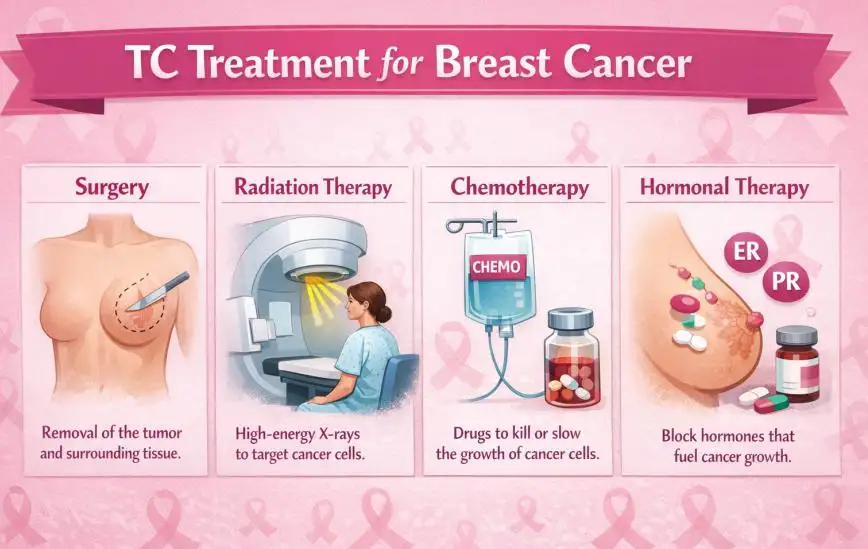
CMF chemotherapy for breast cancer is one of several systemic treatment options. A comprehensive treatment plan may include:
| Treatment Option | Purpose |
|---|---|
| Surgery | Remove the primary tumor |
| Radiation therapy | Destroy remaining local cancer cells |
| CMF chemotherapy | Reduce recurrence risk |
| Hormone therapy | Block estrogen or progesterone |
| Targeted therapy | Act on specific cancer markers |
CMF is particularly valuable for patients who cannot tolerate cardiotoxic drugs or who have lower-risk disease profiles.
Prevention and Lifestyle Recommendations During Treatment
While CMF chemotherapy for breast cancer treats existing disease, healthy lifestyle choices can support treatment tolerance and recovery:
-
Maintain a balanced, nutrient-rich diet
-
Engage in light to moderate physical activity as tolerated
-
Avoid smoking and limit alcohol intake
-
Manage stress through mindfulness or counseling
-
Follow infection prevention measures during chemotherapy
These practices may help reduce side effects and improve overall well-being.
Prognosis and Survival Rates
The prognosis for patients receiving CMF chemotherapy for breast cancer is generally favorable in early-stage disease. Studies have shown that CMF significantly reduces recurrence risk and improves long-term survival, particularly in hormone receptor–positive patients.
Survival outcomes depend on multiple factors, including tumor size, lymph node involvement, patient age, and response to therapy. When used appropriately, CMF remains an effective and reliable option.
Latest Research and Innovations
Although CMF chemotherapy for breast cancer is a classic regimen, ongoing research continues to refine its use. Current studies focus on:
-
Identifying patient subgroups who benefit most from CMF
-
Optimizing dosing schedules to reduce toxicity
-
Combining CMF with modern hormonal therapies
-
Biomarker-driven treatment personalization
These innovations aim to preserve CMF’s effectiveness while improving quality of life.
Coping and Support for Patients
Undergoing CMF chemotherapy for breast cancer can be emotionally and physically challenging. Support resources play a crucial role in patient resilience:
-
Oncology counseling services
-
Breast cancer support groups
-
Nutritional and rehabilitation programs
-
Family and caregiver education
Open communication with healthcare providers helps patients feel informed, supported, and empowered throughout treatment.
Conclusion
CMF chemotherapy for breast cancer remains a proven and valuable treatment option, particularly for patients with early-stage or hormone receptor–positive disease who require a well-tolerated regimen. With decades of clinical evidence supporting its effectiveness, CMF continues to play a meaningful role in personalized breast cancer care.
By understanding how CMF works, its benefits, and how it fits into a broader treatment strategy, patients can actively participate in decisions that shape their recovery and long-term health.
Frequently Asked Questions (FAQ)
1. What does CMF stand for in breast cancer chemotherapy?
CMF stands for Cyclophosphamide, Methotrexate, and Fluorouracil.
2. Is CMF chemotherapy still used today?
Yes, CMF chemotherapy for breast cancer is still used, particularly for patients who cannot tolerate newer regimens.
3. What are the common side effects of CMF chemotherapy?
Side effects may include fatigue, nausea, hair thinning, low blood counts, and mouth sores, though many are manageable with supportive care.
4. How long does CMF chemotherapy last?
Treatment typically lasts 3–6 months, depending on the schedule and individual response.
5. Can CMF chemotherapy be combined with hormone therapy?
Yes, CMF is often followed by or combined with hormone therapy in hormone receptor–positive breast cancer.