Colon Cancer Metastasis to Liver: Causes, Symptoms, Treatment Options, and Prognosis
Colon cancer metastasis to liver is one of the most common and serious complications of colorectal cancer. When cancer cells from the colon spread through the bloodstream or lymphatic system, the liver often becomes the first and most affected distant organ. Understanding this condition is essential for patients, caregivers, and families to make informed decisions and prepare for treatment pathways.
If you or someone close to you is facing this diagnosis, it can feel overwhelming. However, advances in medical technology, targeted therapies, and multidisciplinary care have significantly improved outcomes. This article provides a comprehensive, easy-to-understand guide to colon cancer metastasis to liver, covering causes, symptoms, diagnosis, treatment, prognosis, and supportive care.
Overview of Colon Cancer Metastasis to Liver
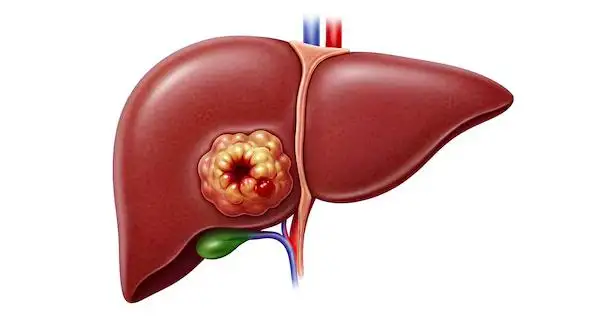
Colon cancer metastasis to liver occurs when malignant cells from a primary colon tumor migrate and establish secondary tumors in liver tissue. The liver’s rich blood supply makes it particularly vulnerable to metastasis from gastrointestinal cancers.
Key facts to know:
-
The liver is the most common site of metastasis in colon cancer.
-
Metastasis may be present at diagnosis or develop later.
-
Early detection and treatment can significantly extend survival and improve quality of life.
Types of Liver Metastases from Colon Cancer
Colon cancer metastasis to liver can vary based on number, size, and location of tumors. Understanding these types helps guide treatment decisions.
| Type of Metastasis | Description | Clinical Implication |
|---|---|---|
| Solitary metastasis | Single tumor in the liver | Often eligible for surgical removal |
| Multiple metastases | Several tumors in one or both lobes | May require systemic therapy |
| Synchronous metastasis | Detected at initial colon cancer diagnosis | Needs coordinated treatment |
| Metachronous metastasis | Appears months or years later | Requires long-term monitoring |
Causes and Risk Factors
The primary cause of colon cancer metastasis to liver is the spread of cancer cells through blood vessels, especially via the portal vein.
Common risk factors include:
-
Advanced-stage colon cancer
-
Large or aggressive primary tumors
-
Lymph node involvement
-
Delayed diagnosis or incomplete treatment
-
Genetic predisposition and molecular mutations
Lifestyle-related factors such as smoking, obesity, and poor diet may indirectly increase risk by contributing to colon cancer development.
Symptoms and Early Warning Signs
In early stages, colon cancer metastasis to liver may cause no noticeable symptoms. As the disease progresses, patients may experience:
-
Persistent fatigue and weakness
-
Unexplained weight loss
-
Abdominal pain or fullness (right upper quadrant)
-
Jaundice (yellowing of skin and eyes)
-
Loss of appetite or nausea
-
Elevated liver enzymes in blood tests
Recognizing these early warning signs can prompt timely medical evaluation.
Diagnosis
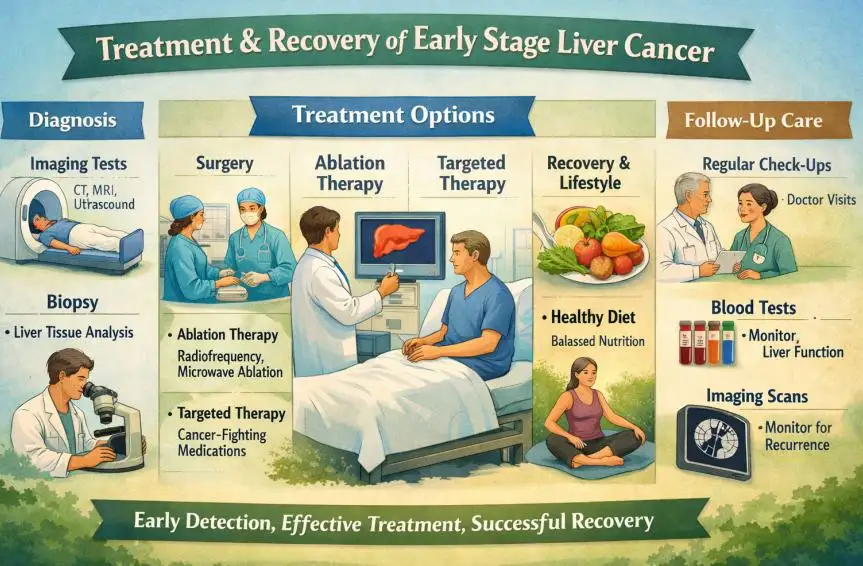
Accurate diagnosis is critical for effective management of colon cancer metastasis to liver. Physicians typically use a combination of tests:
| Diagnostic Method | Purpose |
|---|---|
| Blood tests | Assess liver function and tumor markers (CEA) |
| CT scan | Detect size and location of liver tumors |
| MRI | Provide detailed liver imaging |
| PET scan | Identify active cancer spread |
| Liver biopsy | Confirm cancer type and origin |
Treatment Options
Treatment for colon cancer metastasis to liver depends on tumor extent, overall health, and response to previous therapies.
Common treatment approaches include:
-
Surgery: Liver resection offers the best chance for long-term survival in selected patients.
-
Chemotherapy: Systemic therapy to shrink tumors and control spread.
-
Targeted therapy: Drugs targeting specific cancer pathways.
-
Immunotherapy: Used in selected genetic profiles.
-
Local therapies: Radiofrequency ablation, microwave ablation, or embolization.
A multidisciplinary team typically tailors treatment to each patient’s condition.
Prevention and Lifestyle Recommendations
While metastasis itself cannot always be prevented, certain measures reduce overall risk and support treatment:
-
Regular colon cancer screening
-
Maintaining a healthy diet rich in fiber and vegetables
-
Avoiding tobacco and limiting alcohol
-
Staying physically active
-
Following prescribed treatment plans and follow-up schedules
These steps support liver health and overall well-being.
Prognosis and Survival Rates
Prognosis for colon cancer metastasis to liver has improved significantly over the past decade. Survival depends on factors such as number of metastases, treatment response, and surgical eligibility.
| Condition | Estimated 5-Year Survival Rate |
|---|---|
| Untreated liver metastasis | <10% |
| Chemotherapy only | 15–25% |
| Surgical resection possible | 40–60% |
Early intervention and personalized care play a critical role in outcomes.
Latest Research and Innovations
Ongoing research is transforming the treatment of colon cancer metastasis to liver. Current innovations include:
-
Precision medicine based on genetic profiling
-
Combination immunotherapy trials
-
Advanced minimally invasive liver surgeries
-
AI-assisted imaging for early detection
These breakthroughs offer renewed hope for patients and families.
Coping and Support for Patients
A diagnosis of metastatic cancer affects not only physical health but also emotional well-being. Support systems are essential.
Helpful coping strategies include:
-
Counseling or psychological support
-
Patient support groups
-
Nutritional guidance
-
Palliative care for symptom management
-
Open communication with healthcare providers
You are not alone—comprehensive care addresses both body and mind.
Conclusion
Colon cancer metastasis to liver is a complex but increasingly manageable condition. With early diagnosis, advanced treatment options, and holistic support, many patients achieve meaningful extensions in survival and quality of life. Staying informed empowers you to participate actively in care decisions and face the journey with confidence.
FAQ
1. What is colon cancer metastasis to liver?
It is the spread of colon cancer cells from the colon to the liver, forming secondary tumors.
2. Can liver metastases from colon cancer be cured?
In selected cases, especially when surgery is possible, long-term remission and potential cure are achievable.
3. How fast does colon cancer spread to the liver?
The rate varies widely depending on tumor biology, stage, and individual health factors.
4. Is treatment always chemotherapy?
No. Treatment may include surgery, targeted therapy, immunotherapy, or local liver treatments depending on the case.
5. Does lifestyle change help after diagnosis?
Yes. Healthy lifestyle choices can improve treatment tolerance, recovery, and overall quality of life.