Marijuana and Liver Cancer: What Science Says About Risks, Benefits, and Patient Outcomes
The relationship between marijuana and liver cancer has become an increasingly discussed topic as cannabis use expands globally for both medical and recreational purposes. Many patients and families are searching for clear, science-based answers: Does marijuana increase the risk of liver cancer, or could it offer supportive benefits for those already diagnosed?
Liver cancer is a serious and often life-threatening disease, while marijuana contains compounds that interact with the body’s endocannabinoid system. This article provides a comprehensive, balanced, and up-to-date overview of marijuana and liver cancer, helping readers understand potential risks, ongoing research, and practical considerations in a clear and trustworthy way.
Overview of Marijuana and Liver Cancer
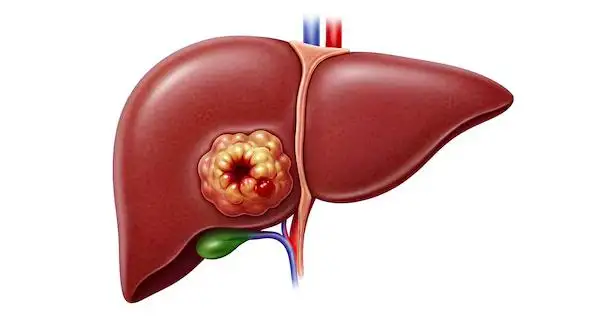
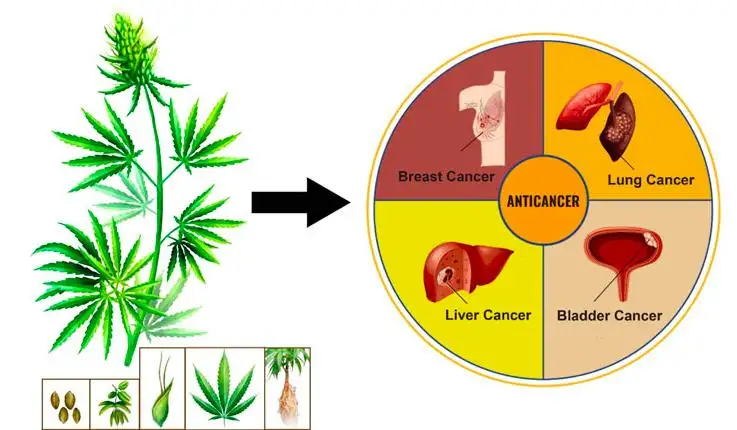
Marijuana refers to products derived from the Cannabis sativa plant, primarily containing cannabinoids such as THC (tetrahydrocannabinol) and CBD (cannabidiol). Liver cancer, most commonly hepatocellular carcinoma (HCC), develops when abnormal cells grow uncontrollably in liver tissue.
Research into marijuana and liver cancer is still evolving. Some studies suggest cannabinoids may have anti-inflammatory or anti-tumor properties, while others raise concerns about liver health, especially in people with pre-existing liver disease. Understanding this dual perspective is essential for informed decision-making.
Types of Liver Cancer
Liver cancer can be classified into several types, each with different characteristics and risk profiles.
| Type of Liver Cancer | Description |
|---|---|
| Hepatocellular carcinoma (HCC) | Most common type, originating in liver cells |
| Intrahepatic cholangiocarcinoma | Develops in bile ducts within the liver |
| Hepatoblastoma | Rare, usually affects children |
| Secondary (metastatic) liver cancer | Cancer spread to the liver from other organs |
Discussions about marijuana and liver cancer mainly focus on HCC, as it accounts for the majority of cases worldwide.
Causes and Risk Factors
Liver cancer is influenced by multiple factors, and marijuana use is only one of many aspects being studied.
| Risk Factor | Explanation |
|---|---|
| Chronic hepatitis B or C | Long-term viral infection damages liver cells |
| Liver cirrhosis | Scarring of the liver due to chronic disease |
| Heavy alcohol consumption | Increases inflammation and liver damage |
| Non-alcoholic fatty liver disease (NAFLD) | Linked to obesity and metabolic disorders |
| Toxin exposure | Aflatoxins and industrial chemicals |
| Marijuana use | Potential indirect effects, especially with existing liver disease |
Current evidence does not conclusively show that marijuana alone causes liver cancer, but heavy or long-term use may worsen liver function in vulnerable individuals.
Symptoms and Early Warning Signs
Early-stage liver cancer often shows minimal symptoms, which makes early detection difficult. Possible signs include:
-
Persistent fatigue and weakness
-
Unexplained weight loss
-
Loss of appetite or nausea
-
Abdominal pain or swelling
-
Yellowing of the skin or eyes (jaundice)
Anyone experiencing these symptoms, particularly those with known liver conditions, should seek medical evaluation promptly.
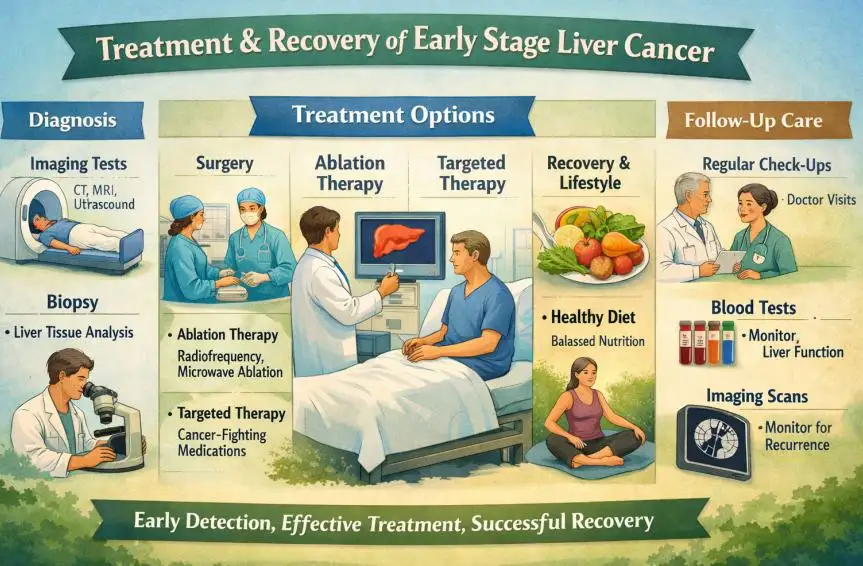
Diagnosis
Diagnosis of liver cancer involves a combination of clinical evaluation and advanced testing.
| Diagnostic Method | Purpose |
|---|---|
| Blood tests (AFP) | Detect tumor markers |
| Ultrasound | Initial imaging screening |
| CT or MRI scan | Detailed imaging of tumors |
| Liver biopsy | Confirms cancer type and stage |
When discussing marijuana and liver cancer, doctors may also assess liver enzyme levels to determine how cannabis use could affect liver function.
Treatment Options
Treatment depends on the stage of cancer, overall liver health, and patient condition.
| Treatment | Description |
|---|---|
| Surgery | Removal of tumor or liver transplant |
| Ablation therapy | Destroys cancer cells using heat or cold |
| Targeted therapy | Drugs that attack cancer-specific pathways |
| Immunotherapy | Boosts the immune system to fight cancer |
| Supportive care | Symptom management and quality of life |
Some patients inquire about marijuana for symptom relief, such as pain, nausea, or appetite loss. This should always be discussed with an oncologist or liver specialist.
Prevention and Lifestyle Recommendations
Reducing liver cancer risk involves protecting liver health overall.
-
Avoid excessive alcohol consumption
-
Maintain a healthy weight and balanced diet
-
Manage hepatitis infections with proper treatment
-
Use medications, including marijuana-based products, only under medical guidance
-
Avoid exposure to known liver toxins
For individuals concerned about marijuana and liver cancer, moderation and medical supervision are key.
Prognosis and Survival Rates
Prognosis depends heavily on early detection and liver function.
| Stage | General 5-Year Survival Rate |
|---|---|
| Early-stage (localized) | 30–40% |
| Regional spread | 10–15% |
| Advanced-stage | Below 5% |
There is no strong evidence that marijuana use significantly improves or worsens survival rates, but its impact on symptom management continues to be explored.
Latest Research and Innovations
Recent studies are examining cannabinoids for their potential anti-cancer properties, including their ability to induce cancer cell death and reduce inflammation. At the same time, researchers are investigating how marijuana metabolism in the liver may affect patients with chronic liver disease.
The field of marijuana and liver cancer research is active, but most findings are preliminary and require large-scale clinical trials before firm conclusions can be drawn.
Coping and Support for Patients
A liver cancer diagnosis can be emotionally overwhelming. Patients may benefit from:
-
Counseling or mental health support
-
Liver cancer support groups
-
Nutritional guidance from specialists
-
Open communication with healthcare providers
Discussing marijuana use openly with doctors ensures safer, more personalized care.
Conclusion
The connection between marijuana and liver cancer is complex and still under scientific investigation. While marijuana does not appear to be a direct cause of liver cancer, its use may carry risks for individuals with existing liver disease. At the same time, cannabinoids may offer supportive benefits for symptom relief when used responsibly.
Informed choices, medical guidance, and ongoing research are essential to navigating this topic safely and confidently.
FAQ
1. Is marijuana a direct cause of liver cancer?
Current evidence does not confirm marijuana as a direct cause of liver cancer, but it may affect liver health in certain individuals.
2. Can marijuana help liver cancer patients?
Some patients use it to manage pain, nausea, or appetite loss, but it should only be used under medical supervision.
3. Is CBD safer than THC for liver health?
CBD is generally considered less psychoactive, but it is still processed by the liver and may interact with medications.
4. Should liver cancer patients avoid marijuana completely?
Not necessarily, but any use should be discussed with a healthcare provider to assess risks and benefits.
5. What is the safest approach regarding marijuana and liver cancer?
Moderation, transparency with doctors, and reliance on evidence-based medical care are the safest strategies.