Treatment and Recovery of Early Stage Liver Cancer: A Complete Guide to Options, Outcomes, and Hope
Receiving a diagnosis of liver cancer can feel overwhelming, but early detection significantly improves treatment success and recovery outcomes. When liver cancer is identified at an early stage, patients often have access to curative treatment options that can remove or destroy tumors before they spread. Understanding the available approaches helps patients and families make informed decisions and approach treatment with confidence.
This article explores the treatment and recovery of early stage liver cancer in a clear, professional, and patient-focused way. From causes and symptoms to modern therapies, survival rates, and emotional support, this guide is designed to help readers understand what to expect and how to navigate the journey toward recovery.
Overview of Early Stage Liver Cancer
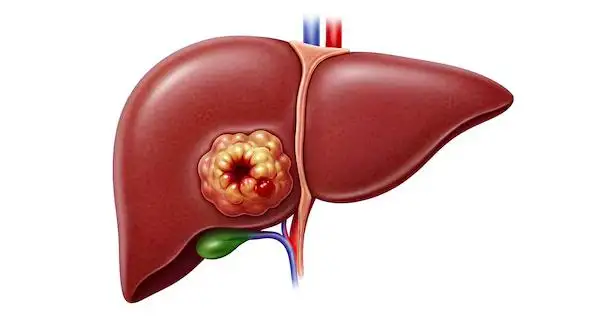
Early stage liver cancer usually refers to tumors that are small, confined to the liver, and have not spread to blood vessels or distant organs. The most common type is hepatocellular carcinoma (HCC), which often develops in people with chronic liver disease or cirrhosis.
Early diagnosis plays a critical role because curative treatments are most effective at this stage. Patients diagnosed early often have significantly better long-term outcomes compared to those diagnosed later. Early-stage disease offers the best opportunity for successful treatment and long-term survival.
Types of Early Stage Liver Cancer
Although hepatocellular carcinoma is the most common, early stage liver cancer may include several types:
| Type of Liver Cancer | Description | Common Characteristics |
|---|---|---|
| Hepatocellular Carcinoma (HCC) | Most common primary liver cancer | Often linked to hepatitis or cirrhosis |
| Intrahepatic Cholangiocarcinoma | Cancer of bile ducts inside the liver | Less common, slower progression |
| Fibrolamellar Carcinoma | Rare subtype of HCC | Often affects younger adults |
| Secondary (Metastatic) Liver Cancer | Cancer spread from other organs | Treatment depends on original cancer |
Causes and Risk Factors
Understanding risk factors helps with prevention and early detection. Liver cancer often develops after long-term liver damage.
Common causes and risk factors include:
-
Chronic hepatitis B or hepatitis C infection
-
Liver cirrhosis from alcohol or fatty liver disease
-
Non-alcoholic fatty liver disease (NAFLD)
-
Obesity and diabetes
-
Exposure to toxins such as aflatoxins
-
Family history of liver disease
-
Smoking and excessive alcohol consumption
Individuals with these risk factors benefit from regular screening, which increases the likelihood of detecting cancer at an early, treatable stage.
Symptoms and Early Warning Signs
Early stage liver cancer may not cause noticeable symptoms. This is why many cases are discovered during routine imaging or monitoring of liver disease.
Possible early warning signs include:
-
Persistent fatigue
-
Mild abdominal discomfort or fullness
-
Unexplained weight loss
-
Loss of appetite
-
Nausea
-
Mild jaundice (yellowing of skin or eyes)
Because symptoms are often subtle, regular medical check-ups are essential for high-risk individuals.
Diagnosis of Early Stage Liver Cancer
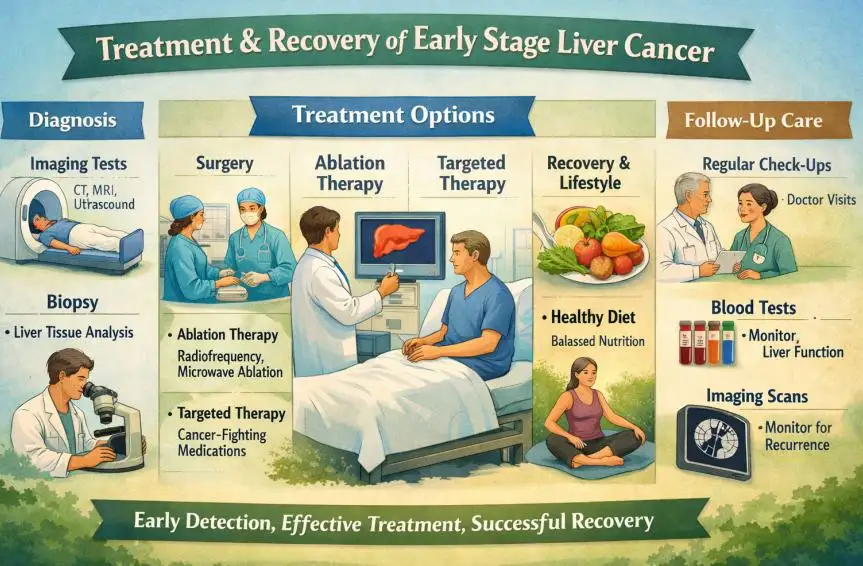
Diagnosis typically involves a combination of tests to confirm the presence and stage of cancer.
Common diagnostic methods include:
| Diagnostic Test | Purpose |
|---|---|
| Ultrasound | Initial screening tool |
| CT Scan or MRI | Determines tumor size and location |
| Blood Tests (AFP) | Detects tumor markers |
| Liver Biopsy | Confirms cancer type |
| Liver Function Tests | Evaluates overall liver health |
Accurate staging helps doctors choose the most effective treatment plan and estimate prognosis.
Treatment Options for Early Stage Liver Cancer
The main goal in the treatment and recovery of early stage liver cancer is cure or long-term disease control. Treatment depends on tumor size, number of tumors, liver function, and overall health.
Surgical Resection
Surgical removal of the tumor is often recommended when liver function is preserved and the tumor is localized. The liver’s ability to regenerate allows many patients to recover well after surgery.
Liver Transplantation
A liver transplant removes both the tumor and underlying liver disease. It is considered one of the most effective curative options for eligible patients, especially when cirrhosis is present.
Ablation Therapies
Ablation destroys tumors using heat, cold, or energy without removing tissue. Techniques include:
-
Radiofrequency ablation (RFA)
-
Microwave ablation
-
Cryoablation
These approaches are often used for small tumors and can achieve outcomes comparable to surgery in selected patients.
Localized Therapies
In some cases, targeted treatments such as transarterial chemoembolization (TACE) may be used to shrink tumors or prepare patients for surgery or transplant.
Prevention and Lifestyle Recommendations
While not all cases are preventable, certain lifestyle changes support liver health and reduce recurrence risk:
-
Maintain a healthy weight
-
Limit or avoid alcohol consumption
-
Treat hepatitis infections early
-
Follow a balanced diet rich in vegetables and lean proteins
-
Exercise regularly
-
Avoid exposure to liver toxins
-
Attend scheduled follow-up screenings
Healthy lifestyle habits also support faster recovery after treatment.
Prognosis and Survival Rates
The outlook for early stage liver cancer is generally favorable compared to advanced stages. Survival depends on treatment type, liver function, and overall health.
| Stage | Estimated 5-Year Survival with Curative Treatment |
|---|---|
| Very Early Stage | 70–90% |
| Early Stage | 50–70% |
Early treatment can extend survival beyond five years in many patients, highlighting the importance of early detection and timely care.
Latest Research and Innovations
Research in liver cancer treatment continues to evolve rapidly. Recent developments include:
-
Advanced ablation technologies that improve tumor targeting and reduce damage to healthy tissue
-
Non-invasive ultrasound-based therapies designed to destroy tumors without major surgery
-
Artificial intelligence tools improving surgical planning and personalized treatment strategies
-
Precision medicine approaches focusing on tumor genetics and individualized therapy
These innovations aim to improve recovery rates while minimizing treatment side effects.
Coping and Support for Patients
Recovery involves more than physical healing. Emotional and psychological support is equally important.
Patients may benefit from:
-
Counseling or psychological support
-
Cancer support groups
-
Open communication with healthcare teams
-
Family and community support
-
Nutritional guidance during recovery
Maintaining a positive mindset and staying informed can significantly improve quality of life during treatment.
Conclusion
The treatment and recovery of early stage liver cancer offer real hope, especially when the disease is detected early. With modern surgical techniques, ablation therapies, and ongoing medical innovations, many patients achieve long-term survival and good quality of life. Early diagnosis, appropriate treatment, and healthy lifestyle choices remain the key factors in successful recovery.
If you or a loved one are facing early stage liver cancer, working closely with a multidisciplinary medical team and staying proactive about care can make a meaningful difference in outcomes.
FAQ
1. What is considered early stage liver cancer?
Early stage liver cancer usually involves one small tumor or a few small tumors confined to the liver without spreading to other organs or major blood vessels.
2. Can early stage liver cancer be cured?
Yes. Many cases can be cured with surgery, liver transplantation, or ablation therapies when diagnosed early.
3. How long does recovery take after treatment?
Recovery varies depending on treatment type. Surgical recovery may take several weeks, while ablation procedures often have shorter recovery times.
4. Is recurrence common after treatment?
Recurrence is possible, especially in patients with underlying liver disease, which is why regular follow-up imaging is essential.
5. What improves survival chances?
Early detection, good liver function, timely treatment, and maintaining a healthy lifestyle all improve long-term outcomes.