Dog Liver Cancer Life Expectancy: Understanding Prognosis, Treatment

Dog liver cancer is a serious health concern that pet owners may face, and understanding its implications is crucial for making informed decisions. While it is not the most common canine cancer, liver tumors can significantly affect a dog’s quality of life and longevity. Knowing the factors that influence dog liver cancer life expectancy helps owners prepare for treatment and supportive care.
Early detection plays a vital role in managing liver cancer in dogs. By recognizing symptoms, understanding risk factors, and exploring treatment options, pet owners can take proactive steps to improve outcomes. This article will guide you through the essential aspects of dog liver cancer, from types and diagnosis to treatment, prognosis, and ongoing care.
Overview
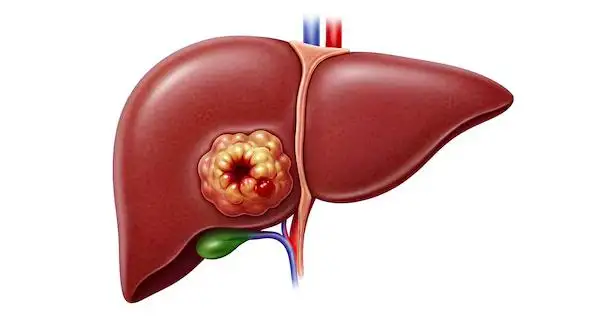
Liver cancer in dogs, also known as hepatic neoplasia, occurs when abnormal cells grow uncontrollably in the liver. These tumors may be benign (non-cancerous) or malignant (cancerous). Malignant liver tumors, such as hepatocellular carcinoma, are aggressive and can spread to other organs if left untreated.
The prognosis for dogs with liver cancer depends on multiple factors, including the tumor type, size, location, and the dog’s overall health. Early detection and timely treatment can significantly improve life expectancy and quality of life.
Types of Dog Liver Cancer
Dog liver cancer can be classified into several types:
| Type | Description | Malignancy | Prevalence |
|---|---|---|---|
| Hepatocellular Carcinoma | The most common malignant liver tumor in dogs | High | 50–60% of liver tumors |
| Hepatocellular Adenoma | Benign liver tumor | Low | Rare |
| Biliary Cystadenoma | Benign tumor of the bile ducts | Low | Rare |
| Biliary Cystadenocarcinoma | Malignant tumor of bile ducts | High | Rare |
| Hemangiosarcoma | Cancer originating in liver blood vessels | High | Rare but aggressive |
Understanding the tumor type helps veterinarians determine treatment options and estimate dog liver cancer life expectancy.
Causes and Risk Factors
The exact cause of liver cancer in dogs is often unknown, but several factors may increase risk:
-
Age: Older dogs are more susceptible.
-
Breed Predisposition: Breeds like Labrador Retrievers, Golden Retrievers, and German Shepherds may have higher risk.
-
Chronic Liver Disease: Dogs with ongoing liver inflammation or cirrhosis may be more prone to tumors.
-
Exposure to Toxins: Certain chemicals, medications, and toxins can damage the liver over time.
-
Genetic Factors: Inherited conditions may contribute to tumor development.
While these factors increase risk, liver cancer can occur in any dog regardless of breed or lifestyle.
Symptoms and Early Warning Signs
Early detection significantly affects dog liver cancer life expectancy. Common symptoms include:
-
Loss of appetite and weight
-
Lethargy or decreased activity
-
Vomiting or diarrhea
-
Abdominal swelling or pain
-
Yellowing of the skin or eyes (jaundice)
-
Increased thirst and urination
Because symptoms can be subtle, routine veterinary checkups and blood tests are essential for early diagnosis.
Diagnosis
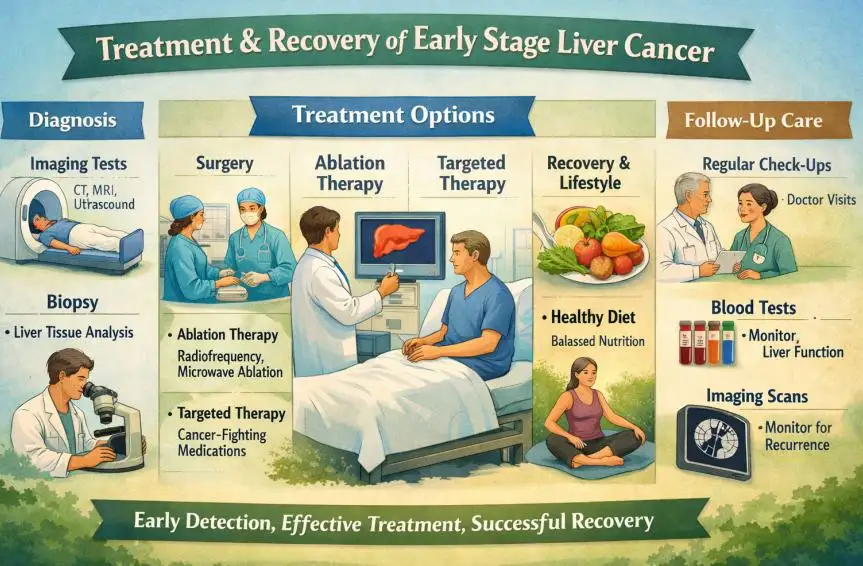
Diagnosing liver cancer in dogs typically involves a combination of:
-
Physical Examination: Palpation of the abdomen for masses or swelling.
-
Blood Tests: Liver enzyme levels, bilirubin, and complete blood count.
-
Imaging: Ultrasound or CT scans to assess tumor size, location, and spread.
-
Biopsy: Definitive diagnosis through tissue analysis.
Early and accurate diagnosis is critical to determine the most effective treatment plan and estimate life expectancy.
Treatment Options
Treatment depends on the tumor type, size, and the dog’s overall health. Options include:
-
Surgery: Surgical removal of the tumor is preferred for localized cancers.
-
Chemotherapy: Used for aggressive or metastatic liver cancers.
-
Targeted Therapy: Novel drugs may slow tumor growth in some cases.
-
Supportive Care: Nutritional support, pain management, and liver supplements improve quality of life.
A combination of therapies often yields the best results, especially when surgery is possible.
Prevention and Lifestyle Recommendations
While not all liver cancers are preventable, certain practices may reduce risk:
-
Provide a balanced, high-quality diet.
-
Limit exposure to environmental toxins and harmful chemicals.
-
Schedule routine veterinary checkups with liver function monitoring.
-
Avoid long-term use of medications that may strain the liver.
-
Maintain a healthy weight and regular exercise regimen.
These measures promote liver health and overall longevity in dogs.
Prognosis and Survival Rates
Dog liver cancer life expectancy varies widely:
| Factor | Expected Life Span |
|---|---|
| Resectable localized tumor | 1–2 years or more post-surgery |
| Unresectable or metastatic cancer | Few months to 1 year |
| Benign liver tumors | Often normal life expectancy if removed or monitored |
Prognosis depends heavily on tumor type, stage, and treatment response. Dogs diagnosed early and treated promptly can enjoy months to years of improved quality of life.
Latest Research and Innovations
Recent veterinary oncology research focuses on:
-
Advanced Imaging: 3D CT and MRI for precise tumor mapping.
-
Targeted Therapies: Drugs that attack cancer cells while sparing healthy tissue.
-
Immunotherapy: Experimental treatments using the dog’s immune system to fight tumors.
-
Genetic Studies: Identifying genes linked to liver cancer risk in certain breeds.
These innovations may enhance survival and improve dog liver cancer life expectancy in the future.
Coping and Support for Pet Owners
Facing a dog liver cancer diagnosis can be emotionally challenging. Support strategies include:
-
Discussing prognosis and treatment options thoroughly with your veterinarian.
-
Connecting with pet cancer support groups or online communities.
-
Managing expectations and focusing on your dog’s comfort and happiness.
-
Keeping a log of symptoms, medications, and treatments for better care management.
Providing emotional support to both the dog and family is essential during this journey.
Conclusion
Dog liver cancer is a serious condition, but early detection, proper treatment, and ongoing care can significantly improve life expectancy and quality of life. By understanding types, symptoms, treatment options, and preventive measures, pet owners can make informed decisions and provide their dogs with the best possible care. Staying informed and proactive ensures that your furry companion receives the attention and support needed to thrive despite a challenging diagnosis.
FAQ
1. What is the average dog liver cancer life expectancy?
Life expectancy varies by tumor type and treatment but typically ranges from a few months for aggressive, metastatic tumors to over a year for surgically treatable cancers.
2. Can liver cancer be cured in dogs?
Some localized tumors can be cured with surgical removal, while malignant or metastatic tumors are managed to extend life and improve comfort.
3. What are the early signs of liver cancer in dogs?
Early signs include lethargy, loss of appetite, vomiting, jaundice, and abdominal swelling. Regular checkups are key for detection.
4. How is dog liver cancer diagnosed?
Diagnosis involves physical exams, blood tests, imaging (ultrasound or CT), and sometimes a liver biopsy.
5. Are there ways to prevent liver cancer in dogs?
While not all cancers are preventable, maintaining a healthy diet, regular veterinary care, avoiding toxins, and monitoring liver health can reduce risk.