The Difference Between Hepatitis and Liver Cancer: Symptoms, Causes, Treatment, and Prevention Explained

Understanding the difference between hepatitis and liver cancer is essential for anyone concerned about liver health. Although both conditions affect the liver and may share overlapping symptoms, they are fundamentally different in causes, progression, treatment, and long-term outcomes. Confusing the two can lead to delayed diagnosis or misunderstanding of health risks.
In this article, we will walk you through a clear, structured, and easy-to-understand explanation of hepatitis and liver cancer. By the end, you will have a solid grasp of how they differ, how they are diagnosed and treated, and what steps you can take to protect your liver health.
Overview
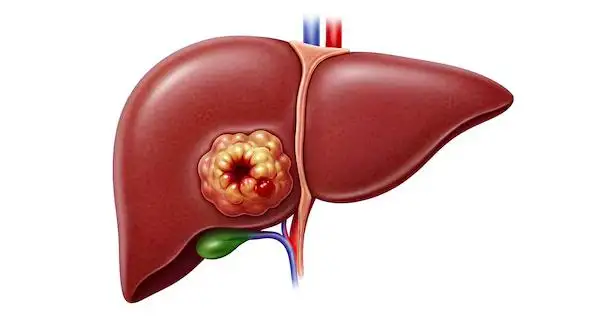
Hepatitis is primarily an inflammatory condition of the liver, often caused by viral infections or toxins. Liver cancer, on the other hand, is a malignant disease characterized by uncontrolled growth of abnormal liver cells. While chronic hepatitis can increase the risk of liver cancer, not all hepatitis cases lead to cancer.
The table below highlights the core difference between hepatitis and liver cancer at a glance:
| Aspect | Hepatitis | Liver Cancer |
|---|---|---|
| Nature of disease | Liver inflammation | Malignant tumor |
| Main cause | Viral infection, toxins, autoimmune | Chronic liver damage, cirrhosis |
| Reversibility | Often reversible | Often progressive |
| Cancerous | No | Yes |
| Treatment focus | Reduce inflammation, eliminate cause | Destroy or remove tumors |
Types
Hepatitis and liver cancer both have several types, each with distinct characteristics.
Types of Hepatitis
-
Hepatitis A: Acute viral infection, usually self-limiting
-
Hepatitis B: Acute or chronic viral infection
-
Hepatitis C: Often chronic, high risk of cirrhosis
-
Alcoholic hepatitis: Caused by excessive alcohol use
-
Autoimmune hepatitis: Immune system attacks liver cells
Types of Liver Cancer
-
Hepatocellular carcinoma (HCC): Most common primary liver cancer
-
Cholangiocarcinoma: Cancer of bile ducts
-
Angiosarcoma: Rare cancer of liver blood vessels
-
Secondary (metastatic) liver cancer: Cancer spread from other organs
Causes and Risk Factors
One major difference between hepatitis and liver cancer lies in their causes.
Common Causes of Hepatitis
-
Viral infections (A, B, C, D, E)
-
Excessive alcohol consumption
-
Certain medications and toxins
-
Autoimmune disorders
Common Causes of Liver Cancer
-
Chronic hepatitis B or C infection
-
Liver cirrhosis
-
Long-term alcohol abuse
-
Fatty liver disease
-
Exposure to aflatoxins
Shared Risk Factors
-
Smoking
-
Obesity
-
Diabetes
-
Poor diet and sedentary lifestyle
Symptoms and Early Warning Signs
Symptoms can overlap, which is why understanding the difference between hepatitis and liver cancer is so important.
Common Hepatitis Symptoms
-
Fatigue
-
Nausea and vomiting
-
Abdominal discomfort
-
Jaundice (yellowing of skin and eyes)
Common Liver Cancer Symptoms
-
Unexplained weight loss
-
Persistent abdominal pain or swelling
-
Loss of appetite
-
Chronic fatigue
-
Worsening jaundice
Early-stage liver cancer may show minimal symptoms, while hepatitis symptoms often appear earlier, especially in acute cases.
Diagnosis
Accurate diagnosis is crucial to distinguish between hepatitis and liver cancer.
Diagnostic Methods
-
Blood tests (liver enzymes, viral markers, AFP tumor marker)
-
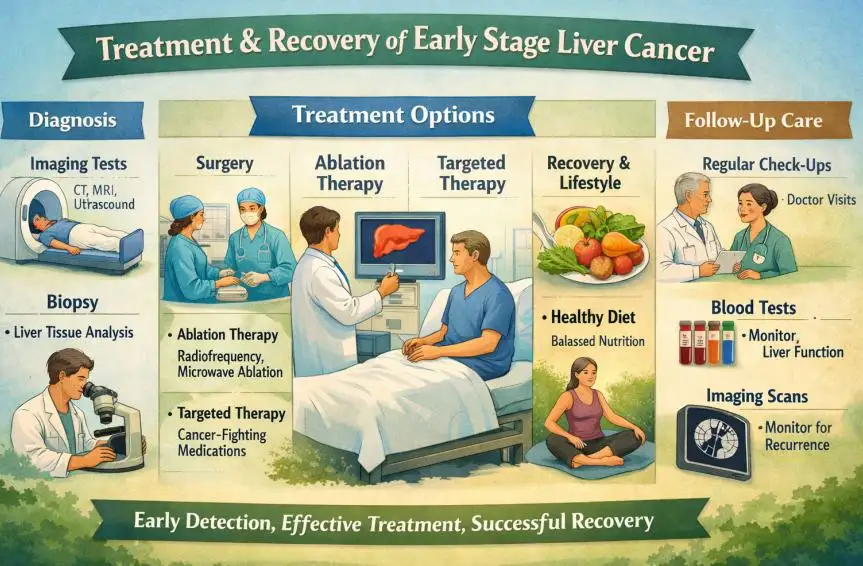
Imaging tests (ultrasound, CT scan, MRI)
-
Liver biopsy
-
FibroScan for liver stiffness
Doctors often diagnose hepatitis through blood tests, while liver cancer usually requires imaging and sometimes biopsy confirmation.
Treatment Options
Treatment strategies differ significantly.
Hepatitis Treatment
-
Antiviral medications
-
Alcohol cessation
-
Immune-suppressing drugs for autoimmune hepatitis
-
Supportive care and monitoring
Liver Cancer Treatment
-
Surgical resection
-
Liver transplantation
-
Ablation therapy
-
Targeted therapy and immunotherapy
-
Chemotherapy and radiation
The difference between hepatitis and liver cancer is especially clear here: hepatitis treatment aims to reverse inflammation, while liver cancer treatment focuses on tumor control or removal.
Prevention and Lifestyle Recommendations
Many liver diseases are preventable with the right lifestyle choices.
Prevention Tips
-
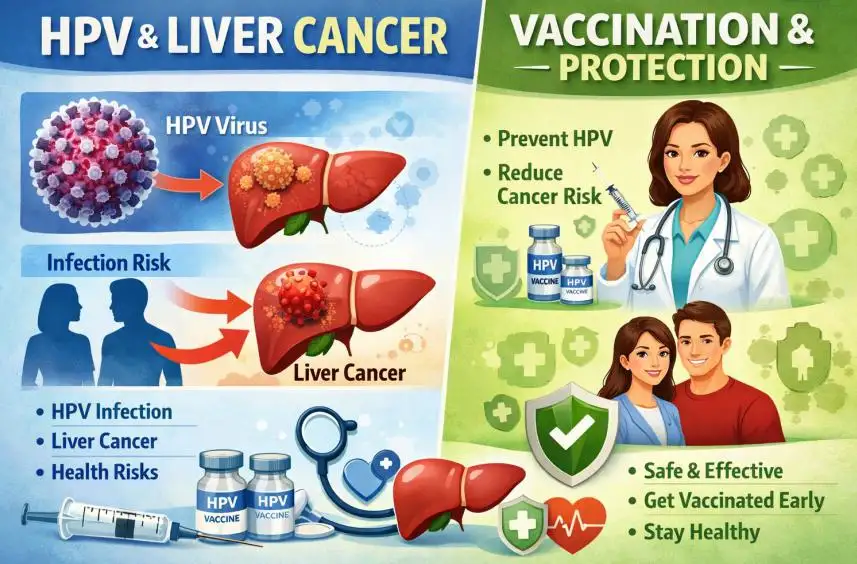
Hepatitis vaccination (A and B)
-
Avoid excessive alcohol
-
Practice safe sex and needle use
-
Maintain a healthy weight
-
Eat a balanced, liver-friendly diet
Healthy lifestyle changes reduce the risk of both hepatitis complications and liver cancer development.
Prognosis and Survival Rates
Prognosis varies widely based on disease type and stage.
| Condition | Prognosis |
|---|---|
| Acute hepatitis A | Excellent recovery |
| Chronic hepatitis B/C | Good with treatment |
| Early-stage liver cancer | Moderate to good with surgery |
| Advanced liver cancer | Limited survival |
Early detection significantly improves outcomes for both conditions.
Latest Research and Innovations
Medical research continues to improve outcomes for liver diseases.
Recent Advances
-
Direct-acting antivirals for hepatitis C
-
Immunotherapy for advanced liver cancer
-
Improved liver transplantation techniques
-
AI-assisted imaging for early cancer detection
These innovations are narrowing the survival gap between early and advanced liver cancer cases.
Coping and Support for Patients
Living with hepatitis or liver cancer can be emotionally challenging.
Support Strategies
-
Join patient support groups
-
Seek counseling or mental health support
-
Work closely with healthcare providers
-
Maintain open communication with family
Emotional and psychological care plays a vital role in overall treatment success.
Conclusion
The difference between hepatitis and liver cancer lies in their causes, severity, and treatment approaches. Hepatitis is primarily an inflammatory condition that can often be treated or managed effectively, while liver cancer is a life-threatening malignancy requiring specialized care. Understanding these differences empowers you to take early action, seek appropriate treatment, and protect your liver health.
FAQ
1. What is the main difference between hepatitis and liver cancer?
Hepatitis is liver inflammation, while liver cancer involves malignant tumor growth.
2. Can hepatitis turn into liver cancer?
Yes, chronic hepatitis B or C can increase the risk of liver cancer over time.
3. Are the symptoms of hepatitis and liver cancer the same?
They can overlap, but liver cancer often causes more severe and progressive symptoms.
4. Is liver cancer always fatal?
No, early-stage liver cancer can be treated successfully in many cases.
5. How can I reduce my risk of both conditions?
Vaccination, healthy lifestyle choices, avoiding alcohol abuse, and regular medical check-ups are key preventive measures.