HPV Liver Cancer Vaccination: Complete Guide to Prevention, Risks, and Future Innovations
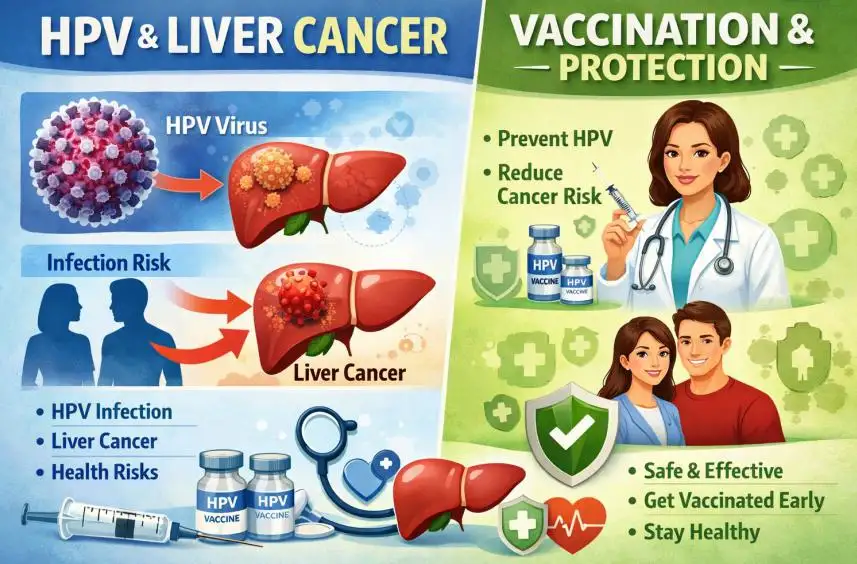
HPV Liver Cancer Vaccination is an emerging and often misunderstood topic in cancer prevention discussions. While human papillomavirus (HPV) is widely known for its role in cervical and other anogenital cancers, increasing public interest has raised questions about its indirect links to liver cancer and the potential preventive role of vaccination. Understanding this connection is essential for individuals seeking comprehensive cancer prevention strategies.
This article provides a clear, evidence-based, and guide to HPV Liver Cancer Vaccination. We will explore how HPV relates to liver cancer risk, what vaccines can and cannot do, and how vaccination fits into broader liver cancer prevention efforts. Whether you are a patient, caregiver, or health-conscious reader, this guide will help you make informed decisions.
Overview
HPV Liver Cancer Vaccination refers to the preventive use of HPV vaccines as part of a broader strategy to reduce cancer risk, including cancers that may indirectly affect the liver. Liver cancer is most commonly caused by chronic hepatitis B or C infections, alcohol-related liver disease, and metabolic disorders. However, HPV has been detected in some liver tumor tissues, suggesting a possible indirect or co-factor role.
HPV vaccines are designed to prevent infection with high-risk HPV strains known to cause cancer. While HPV vaccination does not directly prevent liver cancer, it may contribute to overall cancer risk reduction by preventing HPV-related systemic inflammation, co-infections, and immune system stress.
Types
HPV vaccines are classified based on the number of HPV strains they protect against. These vaccines are central to any discussion of HPV Liver Cancer Vaccination.
| Vaccine Type | HPV Strains Covered | Primary Cancer Prevention |
|---|---|---|
| Bivalent | HPV 16, 18 | Cervical cancer |
| Quadrivalent | HPV 6, 11, 16, 18 | Cervical and genital cancers |
| Nonavalent | 9 high-risk strains | Broad HPV-related cancer protection |
The nonavalent vaccine is currently the most comprehensive option and is commonly recommended in modern vaccination programs.
Causes and Risk Factors
Liver cancer develops due to long-term liver damage and chronic inflammation. HPV alone is not a primary cause, but certain factors may increase overlapping risks.
Key risk factors include:
-
Chronic hepatitis B or C infection
-
Excessive alcohol consumption
-
Non-alcoholic fatty liver disease (NAFLD)
-
Exposure to aflatoxins
-
Smoking and weakened immune function
-
Co-infection with oncogenic viruses, including HPV
HPV Liver Cancer Vaccination may play a supportive role by reducing viral burden and systemic cancer risk, especially in immunocompromised individuals.
Symptoms and Early Warning Signs
Early-stage liver cancer often shows minimal symptoms, making prevention and screening crucial.
Common warning signs include:
-
Persistent fatigue
-
Unexplained weight loss
-
Upper right abdominal pain
-
Loss of appetite
-
Jaundice (yellowing of skin and eyes)
-
Abdominal swelling
Because symptoms often appear late, preventive strategies such as vaccination and regular health checks are especially important.
Diagnosis
Liver cancer diagnosis involves a combination of clinical evaluation and advanced testing.
| Diagnostic Method | Purpose |
|---|---|
| Blood tests (AFP) | Tumor marker evaluation |
| Ultrasound | Initial liver imaging |
| CT or MRI scan | Detailed tumor assessment |
| Liver biopsy | Definitive diagnosis |
HPV testing is not routinely part of liver cancer diagnosis but may be used in research or complex clinical cases.
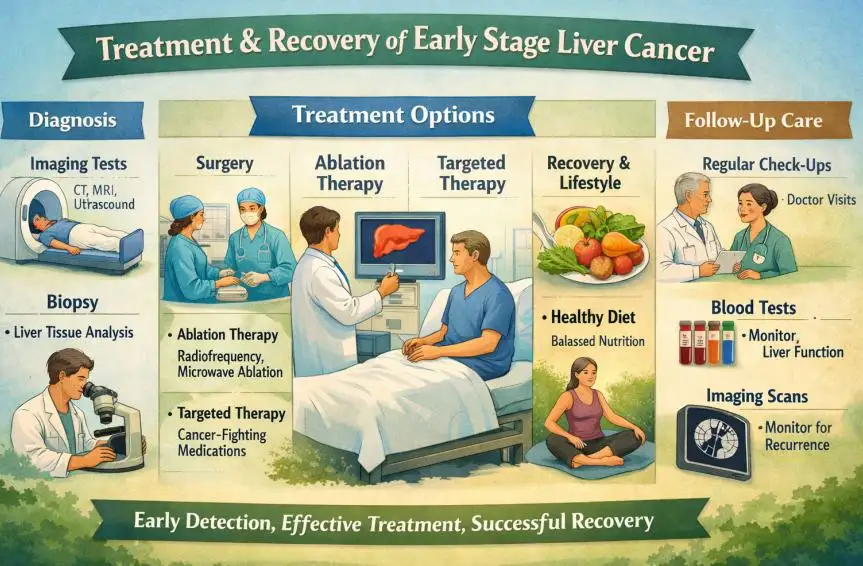
Treatment Options
Treatment depends on cancer stage, liver function, and overall health.
Common treatment approaches include:
-
Surgical resection
-
Liver transplantation
-
Ablation therapies
-
Targeted therapy and immunotherapy
-
Chemotherapy in advanced stages
HPV Liver Cancer Vaccination does not treat existing cancer but may support long-term cancer prevention strategies.
Prevention and Lifestyle Recommendations
Effective liver cancer prevention combines vaccination with healthy lifestyle choices.
Recommended strategies:
-
HPV vaccination according to medical guidelines
-
Hepatitis B vaccination
-
Limiting alcohol intake
-
Maintaining a healthy weight
-
Avoiding smoking
-
Regular liver screening for high-risk individuals
HPV Liver Cancer Vaccination works best as part of a comprehensive prevention plan rather than a standalone solution.
Prognosis and Survival Rates
Liver cancer prognosis varies widely based on stage at diagnosis.
| Stage | Approximate 5-Year Survival Rate |
|---|---|
| Early-stage | 30–40% |
| Regional spread | 10–20% |
| Advanced-stage | Below 5% |
Early prevention and risk reduction, including vaccination, can significantly influence long-term outcomes.
Latest Research and Innovations
Recent studies are exploring the role of viral co-infections in liver cancer development. Researchers are investigating:
-
HPV DNA presence in liver tumor cells
-
Immune response interactions between HPV and hepatitis viruses
-
Therapeutic cancer vaccines targeting viral antigens
-
Personalized immunotherapy approaches
These innovations may expand the future relevance of HPV Liver Cancer Vaccination in oncology.
Coping and Support for Patients
A liver cancer diagnosis can be emotionally overwhelming. Support systems are essential.
Helpful resources include:
-
Oncology counseling services
-
Patient support groups
-
Nutritional guidance
-
Family and caregiver education
-
Mental health support
Staying informed and proactive empowers patients and families throughout the cancer journey.
Conclusion
HPV Liver Cancer Vaccination is best understood as part of a broader cancer prevention framework. While HPV is not a primary cause of liver cancer, vaccination contributes to overall viral cancer risk reduction and supports long-term health. Combined with hepatitis prevention, healthy lifestyle choices, and regular screening, HPV vaccination plays a meaningful role in comprehensive cancer prevention strategies.
By staying informed and proactive, readers can take confident steps toward protecting liver health and overall well-being.
FAQ
1. Is HPV a direct cause of liver cancer?
No. HPV is not a direct cause, but it may act as a co-factor in certain cases.
2. Does HPV Liver Cancer Vaccination prevent liver cancer?
It does not directly prevent liver cancer, but it may reduce overall cancer risk.
3. Who should receive the HPV vaccine?
It is recommended for adolescents and young adults, and in some cases, older adults after medical consultation.
4. Is HPV vaccination safe?
Yes. HPV vaccines are extensively studied and considered safe and effective.
5. Can vaccinated individuals still develop liver cancer?
Yes, especially if other major risk factors like hepatitis or alcohol-related liver disease are present.