Lung Cancer Metastasis to Liver: Symptoms, Treatment Options, Prognosis, and Latest Advances

Lung cancer metastasis to liver is a serious and complex condition that occurs when cancer cells from the lungs spread to the liver through the bloodstream or lymphatic system. This stage of cancer progression often signals advanced disease and requires a comprehensive, multidisciplinary treatment approach. Understanding how this process happens and what it means for patients can empower individuals and families to make informed medical decisions.
As medical research advances, new therapies and diagnostic tools continue to improve outcomes and quality of life for patients facing lung cancer with liver metastasis. In this article, we will explore the causes, symptoms, diagnosis, treatment options, prognosis, and emerging innovations, while also providing practical coping strategies and lifestyle recommendations.
Overview
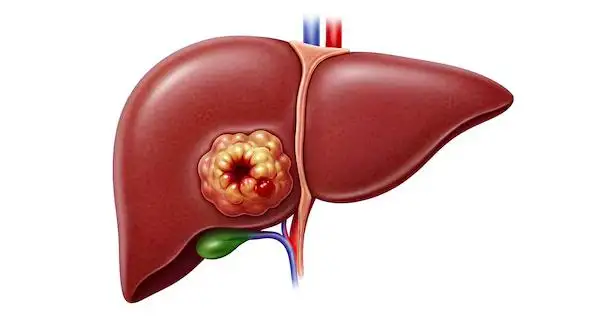
Lung cancer metastasis to liver refers to secondary cancer growth in the liver originating from primary lung tumors. The liver is one of the most common metastatic sites due to its rich blood supply and vital metabolic role.
Key facts include:
-
It usually occurs in advanced stages of lung cancer (Stage IV).
-
Both non-small cell lung cancer (NSCLC) and small cell lung cancer (SCLC) can spread to the liver.
-
Symptoms may not appear early, making regular monitoring crucial.
Types of Lung Cancer That Commonly Spread to the Liver
Different lung cancer types show varying tendencies to metastasize:
| Lung Cancer Type | Likelihood of Liver Metastasis | Characteristics |
|---|---|---|
| Non-Small Cell Lung Cancer (NSCLC) | Moderate to High | Slower progression, more treatment options |
| Small Cell Lung Cancer (SCLC) | High | Rapid growth and early spread |
| Adenocarcinoma | High | Most common NSCLC subtype |
| Squamous Cell Carcinoma | Moderate | Often localized initially |
Understanding the cancer subtype helps doctors tailor treatment strategies.
Causes and Risk Factors
Several factors contribute to lung cancer metastasis to liver:
Primary Causes
-
Aggressive tumor biology
-
Advanced-stage lung cancer
-
Circulation of cancer cells through blood vessels
Risk Factors
-
Smoking and long-term tobacco exposure
-
Genetic mutations (EGFR, ALK, KRAS)
-
Delayed diagnosis
-
Weak immune system
-
Poor overall health condition
Reducing modifiable risk factors can help slow disease progression.
Symptoms and Early Warning Signs
Liver metastasis symptoms can be subtle in early stages and worsen as the disease progresses.
Common Symptoms
-
Persistent fatigue
-
Unexplained weight loss
-
Abdominal pain or swelling
-
Jaundice (yellowing of skin and eyes)
-
Loss of appetite
-
Nausea and vomiting
When to Seek Medical Help
If you experience persistent symptoms alongside known lung cancer, consult a healthcare provider immediately for further evaluation.
Diagnosis
Accurate diagnosis is essential for effective treatment planning.
Diagnostic Methods
| Test Type | Purpose |
|---|---|
| CT Scan or MRI | Detect liver tumors and size |
| PET Scan | Identify cancer spread throughout the body |
| Blood Tests (Liver Function Tests) | Assess liver performance |
| Biopsy | Confirm metastatic lung cancer cells |
Early detection improves treatment outcomes and symptom management.
Treatment Options
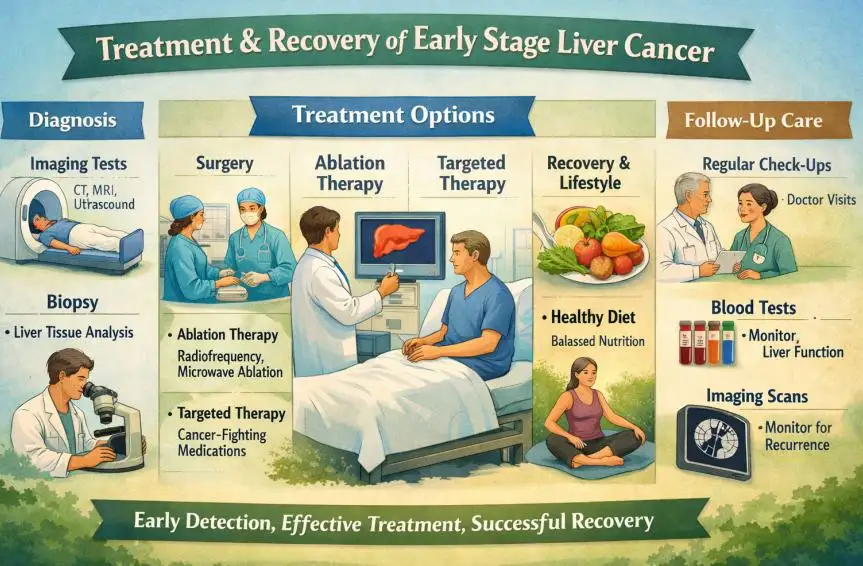
Treatment for lung cancer metastasis to liver focuses on controlling tumor growth, relieving symptoms, and improving quality of life.
Common Treatment Approaches
-
Systemic Therapy
Includes chemotherapy, targeted therapy, and immunotherapy to attack cancer cells throughout the body. -
Radiation Therapy
Used to shrink liver tumors and reduce pain. -
Localized Liver Treatments
-
Radiofrequency ablation (RFA)
-
Transarterial chemoembolization (TACE)
-
Stereotactic body radiation therapy (SBRT)
-
-
Palliative Care
Supports symptom relief and emotional well-being.
The best treatment plan depends on cancer type, stage, patient health, and genetic markers.
Prevention and Lifestyle Recommendations
While metastasis cannot always be prevented, healthy lifestyle choices can support treatment and overall well-being.
Prevention Tips
-
Quit smoking immediately
-
Avoid secondhand smoke
-
Maintain regular cancer screenings
-
Follow prescribed treatment plans
Lifestyle Recommendations
-
Eat a balanced, nutrient-rich diet
-
Stay physically active as tolerated
-
Manage stress with relaxation techniques
-
Get adequate sleep
-
Stay hydrated
These steps can improve treatment tolerance and recovery.
Prognosis and Survival Rates
The prognosis for lung cancer metastasis to liver varies based on multiple factors:
| Factor | Impact on Prognosis |
|---|---|
| Cancer Type | NSCLC often has better outcomes |
| Treatment Response | Strong response improves survival |
| Overall Health | Better health improves tolerance |
| Genetic Mutations | Targeted therapies improve outcomes |
Survival Outlook
-
Median survival ranges from several months to over one year with advanced therapies.
-
Some patients respond exceptionally well to immunotherapy and targeted drugs.
While survival statistics can be discouraging, individual outcomes can differ significantly.
Latest Research and Innovations
Ongoing research continues to bring hope for patients with lung cancer metastasis to liver.
Promising Developments
-
Next-generation immunotherapy drugs
-
Personalized targeted therapies
-
Liquid biopsy for early detection
-
AI-powered imaging analysis
-
Combination treatment strategies
Clinical trials are playing a critical role in improving long-term survival and quality of life.
Coping and Support for Patients
Facing metastatic cancer can be emotionally and physically challenging.
Emotional Support Options
-
Counseling and therapy
-
Cancer support groups
-
Family and caregiver involvement
Practical Support
-
Pain management programs
-
Nutritional counseling
-
Financial and social services
A strong support network can significantly improve mental health and treatment adherence.
Conclusion
Lung cancer metastasis to liver represents an advanced stage of disease that requires prompt diagnosis, personalized treatment, and comprehensive supportive care. Although the condition is serious, modern medical advancements are continuously improving patient outcomes and offering new treatment possibilities.
By staying informed, maintaining healthy lifestyle habits, and seeking professional support, patients and families can navigate this challenging journey with greater confidence and hope.
FAQ
1. What is lung cancer metastasis to liver?
It occurs when lung cancer cells spread from the lungs to the liver, forming secondary tumors.
2. Is liver metastasis from lung cancer curable?
While complete cure is rare, treatments can significantly control disease progression and improve quality of life.
3. What are the first signs of liver metastasis?
Common early signs include fatigue, abdominal discomfort, appetite loss, and abnormal liver function tests.
4. How is lung cancer with liver metastasis treated?
Treatment usually involves systemic therapies such as chemotherapy, immunotherapy, targeted drugs, and localized liver treatments.
5. Can lifestyle changes help patients with metastatic lung cancer?
Yes. Healthy nutrition, stress management, physical activity, and smoking cessation can support overall treatment outcomes and well-being.