Do Breast Cancer Lumps Move? Understanding the Signs, Causes, and What to Do Next

Finding a lump in the breast can be alarming, and one of the first questions many people ask is: do breast cancer lumps move? This concern is completely understandable, as changes in the breast often trigger fear and uncertainty. Knowing how breast cancer lumps typically feel compared to benign (non-cancerous) lumps can help you respond calmly and appropriately.
In this article, we’ll explore whether breast cancer lumps move, what characteristics to watch for, and how movement relates to diagnosis and treatment. By understanding the facts, you’ll be better equipped to recognize early warning signs and take proactive steps for your breast health.
Overview
So, do breast cancer lumps move? In many cases, breast cancer lumps tend to feel hard, irregular, and less mobile than benign lumps. However, this is not a strict rule. Some cancerous lumps may still move slightly, especially in early stages, while some benign lumps can feel firm or fixed.
Breast tissue is complex, and lump mobility depends on factors such as size, location, and whether the lump is attached to surrounding tissue. That’s why physical characteristics alone are not enough to confirm or rule out cancer.
Types of Breast Lumps and Their Mobility
Different breast lumps behave differently. Understanding these types can clarify why movement alone is not a definitive indicator.
| Type of Lump | Common Mobility | Typical Characteristics |
|---|---|---|
| Breast cancer lump | Often less mobile | Hard, irregular edges, may feel fixed |
| Fibroadenoma | Freely movable | Smooth, rubbery, well-defined |
| Breast cyst | Movable | Soft or firm, fluid-filled |
| Fat necrosis | Variable | Firm, may feel fixed, often after injury |
| Lipoma | Freely movable | Soft, fatty, painless |
This comparison shows why the question do breast cancer lumps move cannot be answered with a simple yes or no.
Causes and Risk Factors
Breast cancer develops due to uncontrolled growth of abnormal cells in breast tissue. Several factors can increase risk, including:
-
Increasing age
-
Family history of breast or ovarian cancer
-
Genetic mutations (such as BRCA1 and BRCA2)
-
Hormonal factors (early menstruation, late menopause)
-
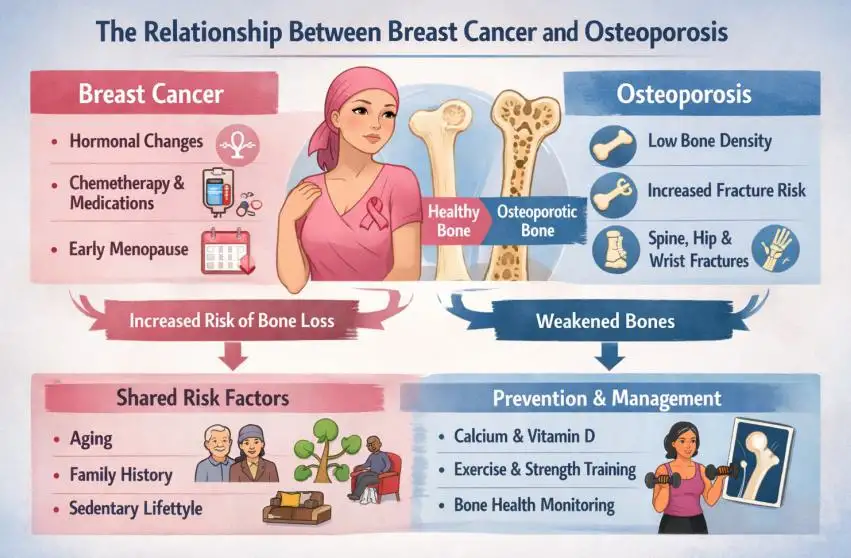
Lifestyle factors such as obesity, alcohol consumption, and lack of physical activity
These risk factors influence the likelihood of cancer but do not determine whether a lump will move.
Symptoms and Early Warning Signs
While lump mobility is often discussed, other symptoms are equally important. Early warning signs include:
-
A new lump that feels different from surrounding tissue
-
Changes in breast size or shape
-
Skin dimpling or puckering
-
Nipple retraction or unusual discharge
-
Persistent breast pain in one area
If you’re asking do breast cancer lumps move, it’s wise to also watch for these accompanying signs.
Diagnosis
Doctors do not rely on touch alone to diagnose breast cancer. A comprehensive evaluation may include:
-
Clinical breast examination
-
Mammography
-
Breast ultrasound
-
MRI in selected cases
-
Biopsy to confirm whether cells are cancerous
Imaging and biopsy are essential because even movable lumps can sometimes be malignant.
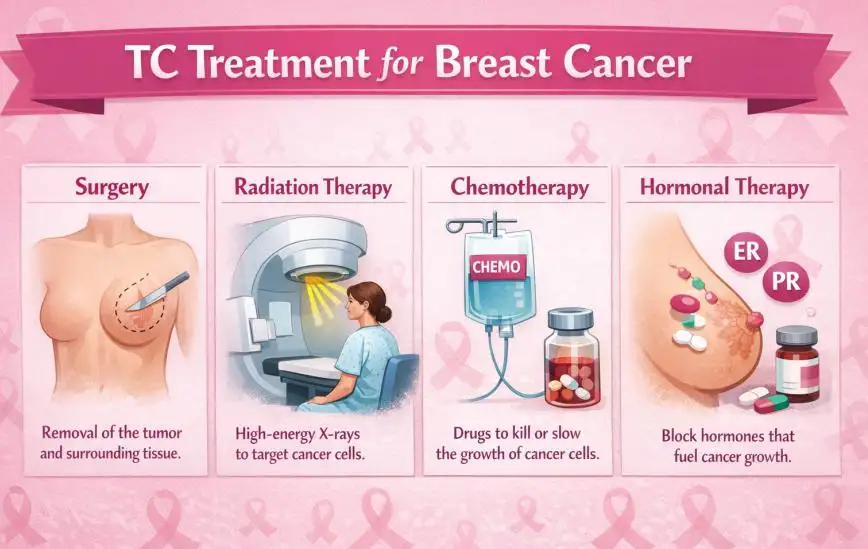
Treatment Options
Treatment depends on cancer type, stage, and individual health factors. Common options include:
-
Surgery (lumpectomy or mastectomy)
-
Radiation therapy
-
Chemotherapy
-
Hormone therapy
-
Targeted therapy and immunotherapy
Early detection often allows for less aggressive treatment and better outcomes.
Prevention and Lifestyle Recommendations
Although not all breast cancers are preventable, you can lower your risk by:
-
Performing regular breast self-examinations
-
Attending routine screening appointments
-
Maintaining a healthy weight
-
Exercising regularly
-
Limiting alcohol intake
-
Eating a balanced, nutrient-rich diet
Being familiar with how your breasts normally feel can help you notice changes early.
Prognosis and Survival Rates
Prognosis varies based on stage at diagnosis and cancer subtype. When detected early, breast cancer has a high survival rate, often exceeding 90% at five years. This highlights why understanding questions like do breast cancer lumps move matters—it can prompt timely medical evaluation.
Latest Research and Innovations
Advances in breast cancer research are improving detection and treatment. Innovations include:
-
More precise imaging technologies
-
Genetic testing for personalized risk assessment
-
Targeted therapies with fewer side effects
-
AI-assisted analysis of mammograms
These developments are helping clinicians detect cancer earlier and tailor treatments more effectively.
Coping and Support for Patients
A breast cancer diagnosis can be emotionally challenging. Support options include:
-
Counseling or therapy
-
Support groups (in-person or online)
-
Educational resources for patients and families
-
Open communication with healthcare providers
Emotional well-being is a vital part of the healing process.
Conclusion
So, do breast cancer lumps move? Sometimes they can, but often they feel firm and less mobile. Because there is significant overlap between benign and malignant lump characteristics, movement alone should never be used as a deciding factor. Any new or unusual breast change deserves professional evaluation. Staying informed, proactive, and attentive to your body is one of the strongest steps you can take for your health.
FAQ
1. Do breast cancer lumps always feel hard and fixed?
No. While many are hard and less mobile, some early-stage cancers may feel softer or slightly movable.
2. Can a movable lump still be breast cancer?
Yes. Mobility does not guarantee that a lump is benign. Medical evaluation is essential.
3. How fast should I see a doctor if I find a lump?
As soon as possible, especially if the lump is new, growing, or accompanied by other symptoms.
4. Are painful breast lumps usually cancerous?
Pain is more commonly associated with benign conditions, but cancer can sometimes cause discomfort.
5. What is the best way to detect breast cancer early?
Regular screening, breast self-awareness, and prompt medical assessment of any changes offer the best chance for early detection.