Does Skin Cancer Show Up in Blood Tests? Complete Guide to Detection, Diagnosis, and What You Need to Know
Does skin cancer show up in blood tests? This is a common question among people who notice suspicious skin changes or want early reassurance about their health. With the rising global incidence of skin cancer, understanding how it is detected and monitored is more important than ever. While blood tests are widely used in many medical diagnoses, skin cancer detection follows a different diagnostic pathway.
In this comprehensive guide, we will explore whether skin cancer appears in blood tests, how doctors actually diagnose skin cancer, and what tools are most effective for early detection. By the end of this article, you will have a clear understanding of diagnostic options, risk factors, symptoms, and the latest innovations in skin cancer screening.
Overview
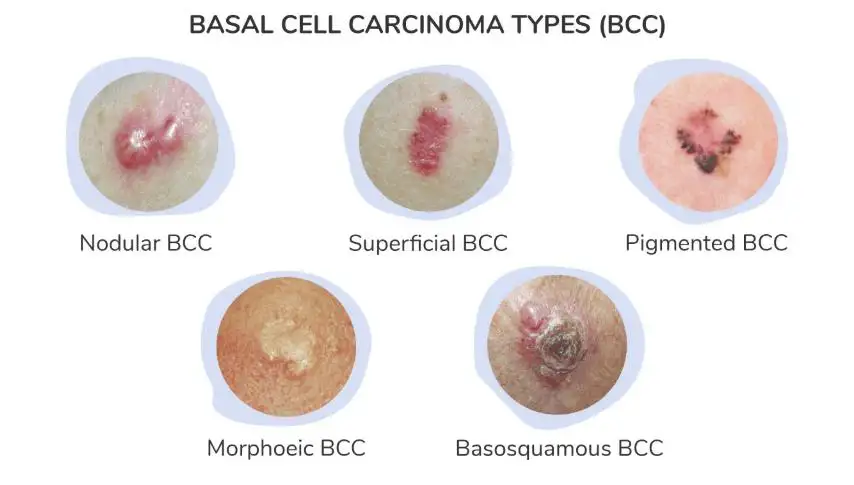
Skin cancer occurs when abnormal skin cells grow uncontrollably, usually due to excessive ultraviolet (UV) radiation exposure. The three main types are basal cell carcinoma, squamous cell carcinoma, and melanoma. Each type behaves differently and requires specific diagnostic and treatment approaches.
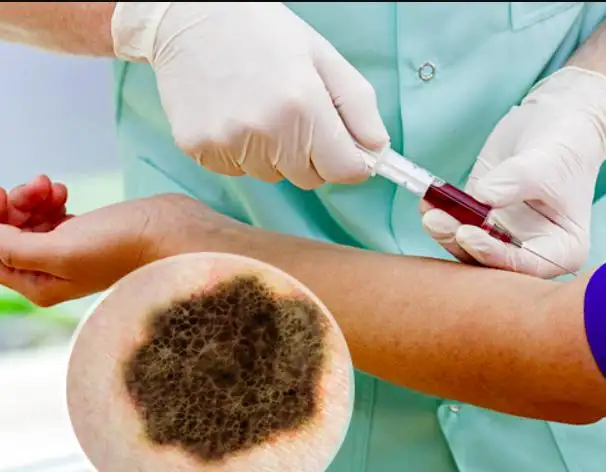
So, does skin cancer show up in blood tests? In most cases, the answer is no. Standard blood tests do not directly detect skin cancer. However, blood tests may sometimes be used to assess overall health, monitor treatment response, or detect complications in advanced stages. The primary method for diagnosis remains visual examination and biopsy.
Types of Skin Cancer
Understanding the types of skin cancer helps clarify why blood tests are not typically diagnostic tools.
| Type of Skin Cancer | Characteristics | Spread Risk | Detection Method |
|---|---|---|---|
| Basal Cell Carcinoma (BCC) | Pearly bumps, slow-growing lesions | Low | Skin exam and biopsy |
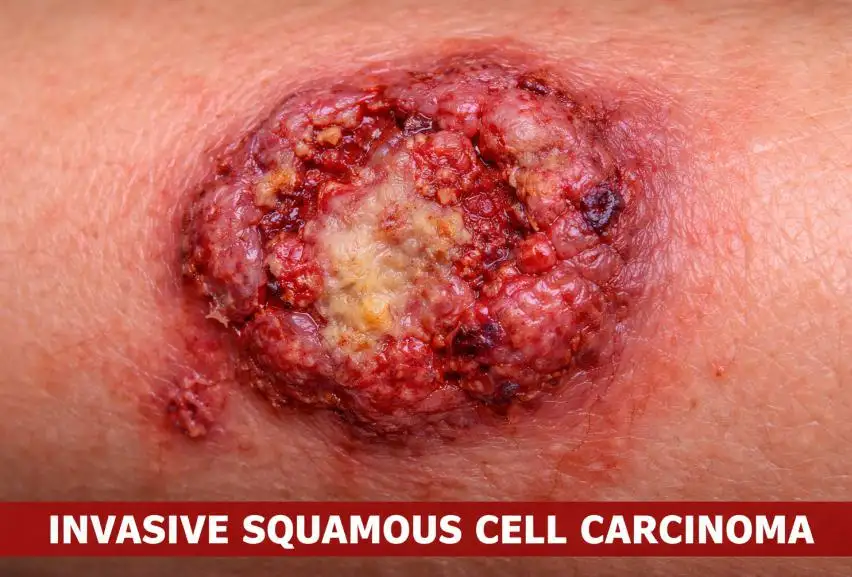
| Squamous Cell Carcinoma (SCC) | Scaly patches, open sores | Moderate | Skin exam and biopsy |
| Melanoma | Dark, irregular moles | High | Dermoscopy and biopsy |
| Merkel Cell Carcinoma | Firm, painless nodules | High | Biopsy and imaging |
Melanoma is the most aggressive type and is more likely to affect internal organs, which is when additional tests, including blood work, may be used for monitoring.
Causes and Risk Factors
Several factors increase the risk of developing skin cancer. These include both environmental and genetic components.
Common causes and risk factors include:
-
Prolonged sun exposure and tanning bed use
-
Fair skin, light hair, and light eye color
-
Family history of skin cancer
-
Weakened immune system
-
Exposure to radiation or harmful chemicals
-
History of severe sunburns
Although blood tests cannot confirm skin cancer, individuals with high-risk profiles are encouraged to undergo routine skin screenings.
Symptoms and Early Warning Signs
Early detection saves lives, especially in melanoma cases. Knowing the warning signs can prompt timely medical evaluation.
Key symptoms include:
-
New or changing moles
-
Irregular borders or uneven color
-
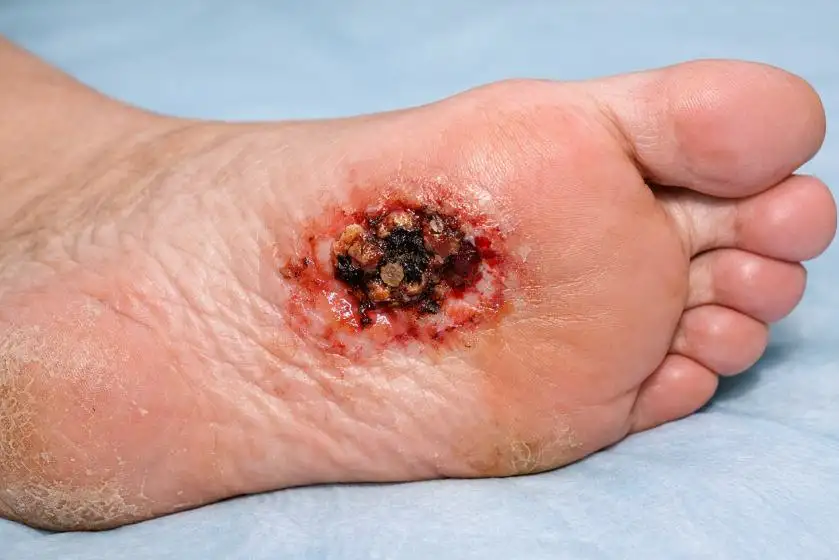
Bleeding or non-healing sores
-
Itching or pain in a skin lesion
-
Rapid growth of a spot or lump
Using the ABCDE rule for melanoma can help identify concerning moles:
| Letter | Meaning |
|---|---|
| A | Asymmetry |
| B | Border irregularity |
| C | Color variation |
| D | Diameter larger than 6 mm |
| E | Evolving shape or size |
If you notice these changes, consult a dermatologist rather than relying on blood tests.
Diagnosis
When people ask, does skin cancer show up in blood tests, they are often seeking a simple screening option. However, diagnosis primarily involves physical and tissue-based evaluation.
Standard diagnostic methods include:
-
Visual skin examination by a dermatologist
-
Dermoscopy for detailed mole analysis
-
Skin biopsy for laboratory confirmation
-
Imaging scans such as CT or PET for advanced cases
Blood tests may be ordered to evaluate liver function, detect inflammation markers, or monitor metastatic disease, but they are not primary diagnostic tools for skin cancer.
Treatment Options
Treatment depends on the type, size, and stage of skin cancer.
Common treatment approaches include:
-
Surgical excision
-
Mohs micrographic surgery
-
Radiation therapy
-
Chemotherapy for advanced cases
-
Immunotherapy for melanoma
-
Targeted therapy for specific genetic mutations
In advanced melanoma, blood tests may be used to monitor treatment effectiveness and detect organ involvement.
Prevention and Lifestyle Recommendations
Preventing skin cancer is far more effective than treating it later. Simple lifestyle changes can significantly reduce risk.
Recommended preventive measures include:
-
Using broad-spectrum sunscreen daily
-
Wearing protective clothing and hats
-
Avoiding peak sun hours
-
Performing monthly skin self-exams
-
Scheduling annual dermatology checkups
Maintaining a healthy immune system through balanced nutrition and regular exercise also supports overall skin health.
Prognosis and Survival Rates
Survival rates vary depending on cancer type and stage at diagnosis.
| Skin Cancer Type | Early-Stage Survival Rate |
|---|---|
| Basal Cell Carcinoma | Over 99% |
| Squamous Cell Carcinoma | 95% |
| Melanoma (Stage I) | Approximately 98% |
| Advanced Melanoma | 30%–60% depending on spread |
Early detection dramatically improves outcomes, reinforcing the importance of regular skin exams over reliance on blood tests.
Latest Research and Innovations
Medical research continues to explore better ways to detect and treat skin cancer.
Recent innovations include:
-
Liquid biopsy research to detect cancer markers in blood
-
Artificial intelligence-assisted mole analysis
-
Improved immunotherapy drugs
-
Genetic profiling for personalized treatment
-
Non-invasive imaging technologies
Although promising, liquid blood-based tests for skin cancer detection are still under development and not yet standard practice.
Coping and Support for Patients
A skin cancer diagnosis can be emotionally overwhelming. Support systems play a crucial role in recovery.
Helpful coping strategies include:
-
Joining cancer support groups
-
Seeking counseling or therapy
-
Communicating openly with healthcare providers
-
Involving family members in care plans
-
Practicing stress management techniques
Mental and emotional well-being is just as important as physical treatment.
Conclusion
So, does skin cancer show up in blood tests? In most cases, it does not. Blood tests are not reliable screening tools for skin cancer and cannot replace visual exams or biopsies. While they may support monitoring in advanced stages, early detection relies on skin checks and professional dermatological evaluations.
Staying informed, practicing sun safety, and scheduling routine skin screenings are the most effective ways to protect yourself. If you notice unusual skin changes, take action promptly and consult a healthcare professional.
FAQ
1. Does skin cancer show up in blood tests for early detection?
No, standard blood tests do not detect skin cancer early. Diagnosis usually requires a biopsy.
2. Can melanoma be detected through blood tests?
Blood tests may help monitor advanced melanoma but are not used for initial diagnosis.
3. Why do doctors order blood tests for skin cancer patients?
They are used to evaluate organ function, treatment response, and possible metastasis.
4. Is there a blood marker for skin cancer?
Currently, no widely accepted blood marker exists for routine skin cancer screening.
5. What is the most accurate way to detect skin cancer?
A professional skin exam followed by a biopsy remains the gold standard for diagnosis.