Dog Cancer Signs of Dying: A Complete, Compassionate Guide for Pet Owners

Watching a beloved dog grow old or become ill is one of the most emotionally difficult experiences a pet owner can face. When cancer enters the picture, that worry often becomes overwhelming. Many owners search online for dog cancer signs of dying because they want to understand what their pet is going through, recognize when the disease is progressing, and make the most loving decisions possible.
This article is designed to give you clear, medically grounded, and compassionate information about canine cancer and the signs that may appear near the end of life. By understanding these changes, you can provide comfort, communicate better with your veterinarian, and ensure your dog’s final days are filled with dignity, care, and love.
Overview
Dog cancer is a leading cause of death in older dogs, and it can affect almost any organ or tissue. While some cancers progress slowly and respond well to treatment, others are aggressive and may eventually lead to a terminal stage. The phrase dog cancer signs of dying refers to a collection of physical and behavioral changes that often occur when the disease is advanced and the body is beginning to shut down.
Recognizing these signs does not mean giving up hope. Instead, it empowers you to focus on pain relief, emotional comfort, and quality of life. Many dogs can still enjoy meaningful moments with their families, even in their final weeks or days.
Types
Different cancers behave in different ways, and the type of cancer greatly influences symptoms, progression, and survival time.
| Type of Dog Cancer | Common Location | Typical Progression |
|---|---|---|
| Lymphoma | Lymph nodes, spleen | Often spreads throughout the body |
| Osteosarcoma | Bones | Very aggressive, painful |
| Hemangiosarcoma | Spleen, heart, liver | Sudden internal bleeding possible |
| Mast Cell Tumor | Skin | Can range from mild to highly aggressive |
| Mammary Cancer | Mammary glands | More common in unspayed females |
Understanding your dog’s cancer type helps explain why certain dog cancer signs of dying may appear sooner or more suddenly.
Causes and Risk Factors
Cancer in dogs develops when cells grow uncontrollably, damaging healthy tissues. While the exact cause is often unknown, several factors increase risk.
| Risk Factor | How It Affects Cancer Risk |
|---|---|
| Age | Older dogs have a higher risk |
| Breed | Golden Retrievers, Boxers, and Rottweilers are more prone |
| Genetics | Family history can increase susceptibility |
| Environmental exposure | Pesticides, smoke, and pollution |
| Hormonal factors | Unspayed females have higher mammary cancer risk |
These risk factors do not guarantee cancer, but they make regular veterinary checkups especially important.
Symptoms and Early Warning Signs
Early cancer symptoms in dogs can be subtle and easy to overlook. Catching them early can improve treatment success.
Common early signs include unexplained weight loss, loss of appetite, lumps or bumps, fatigue, persistent coughing, and changes in bathroom habits.
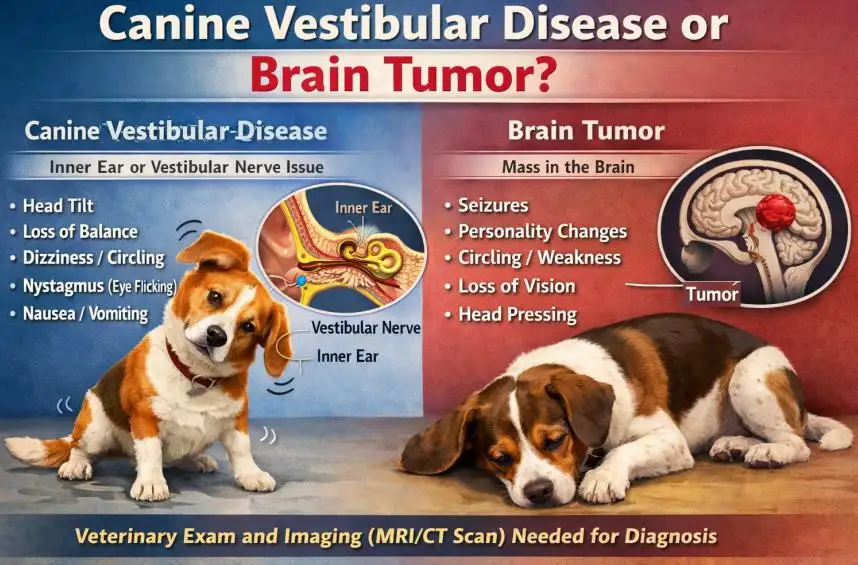
As cancer progresses, more serious dog cancer signs of dying may appear, including extreme weakness, difficulty breathing, refusal to eat or drink, confusion, incontinence, and withdrawal from family interaction. These changes often indicate that the body is struggling to maintain normal function.
Diagnosis
Veterinarians use a combination of physical exams, blood tests, imaging such as X-rays or ultrasounds, and biopsies to diagnose cancer. These tests help determine the type of cancer, how far it has spread, and what treatment options are available.
In later stages, repeated diagnostics may focus more on comfort and pain control rather than aggressive testing, especially when end-of-life care is the priority.
Treatment Options
Treatment depends on the cancer type, stage, and your dog’s overall health.
| Treatment | Purpose |
|---|---|
| Surgery | Remove tumors |
| Chemotherapy | Kill or slow cancer cells |
| Radiation | Shrink tumors |
| Palliative care | Relieve pain and discomfort |
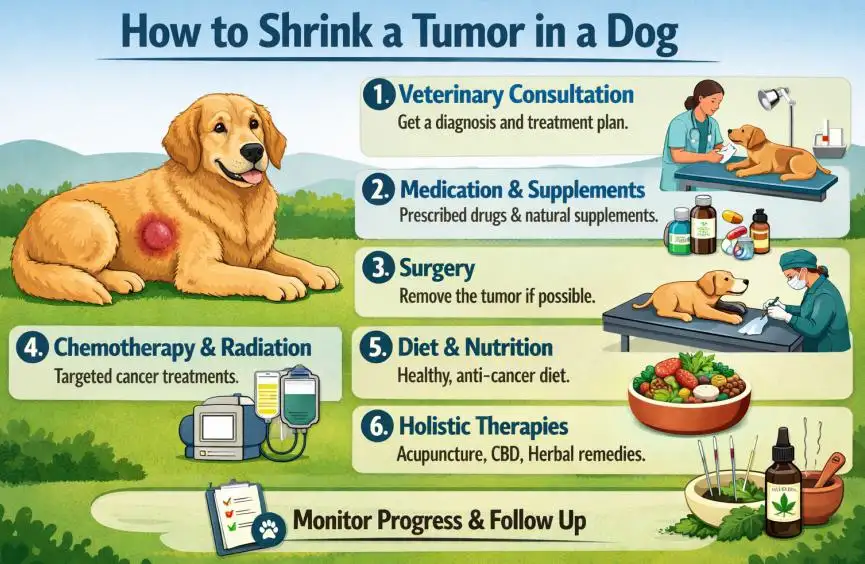
When dog cancer signs of dying are present, palliative care becomes especially important. This includes pain medication, appetite stimulants, and supportive therapies to keep your dog comfortable.
Prevention and Lifestyle Recommendations
Not all cancers can be prevented, but a healthy lifestyle reduces overall risk. Regular veterinary visits, maintaining a healthy weight, high-quality nutrition, and minimizing exposure to environmental toxins all play a role.
Spaying and neutering at the appropriate time can also significantly reduce the risk of certain cancers.
Prognosis and Survival Rates
Prognosis varies widely based on cancer type, stage, and treatment response. Some dogs live for years with manageable cancer, while others decline rapidly.
| Cancer Type | Average Survival with Treatment |
|---|---|
| Lymphoma | 6 to 18 months |
| Osteosarcoma | 6 to 12 months |
| Hemangiosarcoma | 1 to 6 months |
When dog cancer signs of dying appear, survival time may be measured in weeks or days, but every dog is unique.
Latest Research and Innovations
Veterinary oncology is advancing quickly. New immunotherapies, targeted drugs, and genetic testing are improving both survival and quality of life for dogs with cancer. Clinical trials also offer hope for cases that do not respond to traditional treatment.
Coping and Support for Patients
Caring for a dog with terminal cancer is emotionally exhausting. Your presence, gentle touch, favorite foods, and calm routines mean everything to your pet. Working closely with your veterinarian or a pet hospice service can help you manage pain, anxiety, and the difficult decisions that may arise.
Support groups, pet loss counselors, and online communities can also provide comfort to you as a caregiver.
Conclusion
Understanding dog cancer signs of dying allows you to be a more compassionate and informed pet parent. While the journey is heartbreaking, knowledge helps you focus on what truly matters, comfort, dignity, and love. By recognizing changes early and working with your veterinarian, you can give your dog the peaceful, caring farewell they deserve.
FAQ
1. What are the most common dog cancer signs of dying?
They include severe weakness, lack of appetite, labored breathing, incontinence, and withdrawal from family.
2. How long do dogs live after showing these signs?
It varies, but often ranges from a few days to several weeks, depending on the dog and cancer type.
3. Is my dog in pain at the end of life?
Many dogs experience discomfort, but pain management and palliative care can greatly improve their comfort.
4. Should I consider euthanasia?
This is a deeply personal decision. Veterinarians can help you assess your dog’s quality of life and guide you with compassion.
5. Can dogs sense when they are dying?
Many dogs become more withdrawn or seek comfort, which may suggest they are aware that something is changing.