ICD 10 Code for Breast Cancer: Complete Guide to Diagnosis, Classification, and Treatment
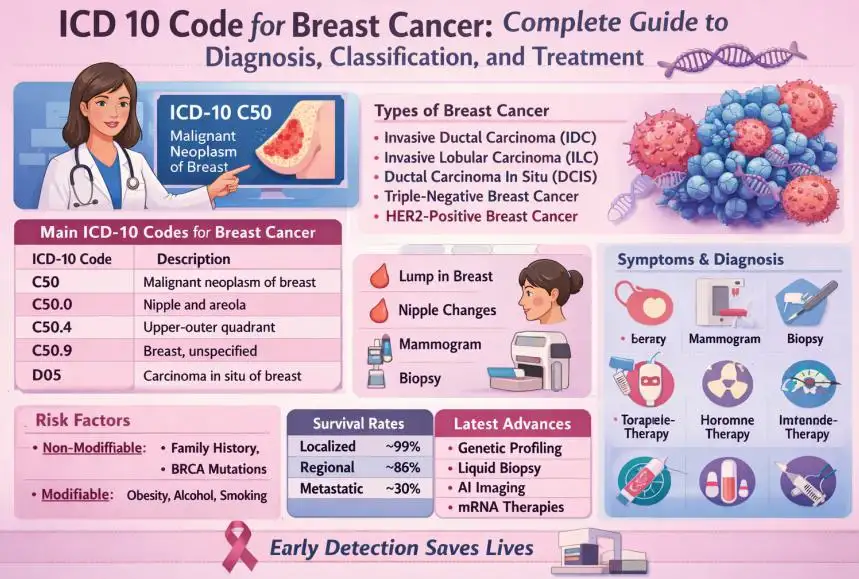
Understanding the icd 10 code for breast cancer is essential for accurate diagnosis, medical billing, research, and treatment planning. Whether you are a healthcare professional, medical coder, researcher, or patient seeking clarity, knowing how breast cancer is classified under the International Classification of Diseases 10th Revision (ICD-10) helps ensure precise communication across the healthcare system.
Breast cancer remains one of the most commonly diagnosed cancers worldwide. Proper classification using the correct icd 10 code for breast cancer ensures consistency in medical documentation, insurance claims, epidemiological tracking, and global health reporting. In this comprehensive guide, you’ll learn about ICD-10 coding, breast cancer types, symptoms, diagnosis, treatment options, and the latest medical innovations.
Overview
The icd 10 code for breast cancer falls primarily under category C50, which refers to malignant neoplasms of the breast. ICD-10 is a standardized coding system developed by the World Health Organization (WHO) to classify diseases and health conditions.
Main ICD-10 Codes for Breast Cancer
| ICD-10 Code | Description |
|---|---|
| C50 | Malignant neoplasm of breast |
| C50.0 | Nipple and areola |
| C50.1 | Central portion of breast |
| C50.2 | Upper-inner quadrant |
| C50.3 | Lower-inner quadrant |
| C50.4 | Upper-outer quadrant |
| C50.5 | Lower-outer quadrant |
| C50.6 | Axillary tail |
| C50.8 | Overlapping sites |
| C50.9 | Breast, unspecified |
| D05 | Carcinoma in situ of breast |
Using the correct icd 10 code for breast cancer ensures precise localization and staging documentation, which directly affects treatment decisions and reimbursement accuracy.
Types of Breast Cancer
Breast cancer is not a single disease but a group of conditions that vary in behavior and prognosis.
1. Invasive Ductal Carcinoma (IDC)
The most common type, starting in the milk ducts and spreading to surrounding tissues.
2. Invasive Lobular Carcinoma (ILC)
Originates in the lobules (milk-producing glands).
3. Ductal Carcinoma In Situ (DCIS)
A non-invasive form coded under D05 in ICD-10.
4. Triple-Negative Breast Cancer
Lacks estrogen, progesterone, and HER2 receptors, often more aggressive.
5. HER2-Positive Breast Cancer
Characterized by overexpression of the HER2 protein.
Correct classification combined with the appropriate icd 10 code for breast cancer ensures accurate clinical and administrative documentation.
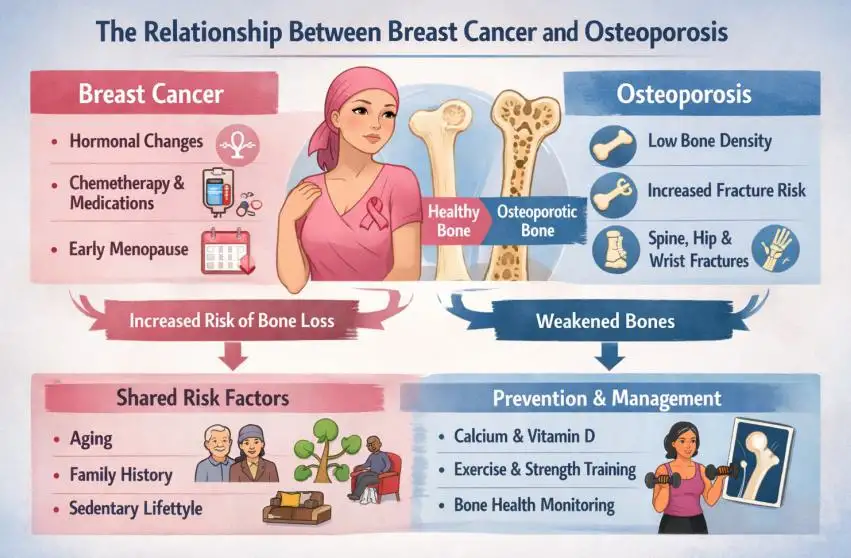
Causes and Risk Factors
While no single cause explains breast cancer, several risk factors increase susceptibility.
Non-Modifiable Risk Factors
-
Age (risk increases after 50)
-
Female gender
-
Family history of breast or ovarian cancer
-
BRCA1 and BRCA2 gene mutations
-
Early menstruation or late menopause
Modifiable Risk Factors
-
Obesity
-
Alcohol consumption
-
Sedentary lifestyle
-
Hormone replacement therapy
-
Smoking
Understanding these risk factors helps in prevention strategies and early detection efforts.
Symptoms and Early Warning Signs
Recognizing early symptoms can significantly improve outcomes. You should consult a healthcare provider if you notice:
-
A lump in the breast or underarm
-
Change in breast size or shape
-
Skin dimpling or redness
-
Nipple discharge (especially bloody)
-
Inverted nipple
-
Persistent breast pain
Early detection combined with proper coding using the icd 10 code for breast cancer improves treatment planning and survival outcomes.
Diagnosis
Breast cancer diagnosis involves multiple steps:
Clinical Examination
Physical breast examination by a healthcare professional.
Imaging Tests
-
Mammography
-
Ultrasound
-
MRI
Biopsy
The definitive diagnostic method where tissue samples are analyzed.
Staging
Staging uses the TNM system:
-
T (Tumor size)
-
N (Lymph node involvement)
-
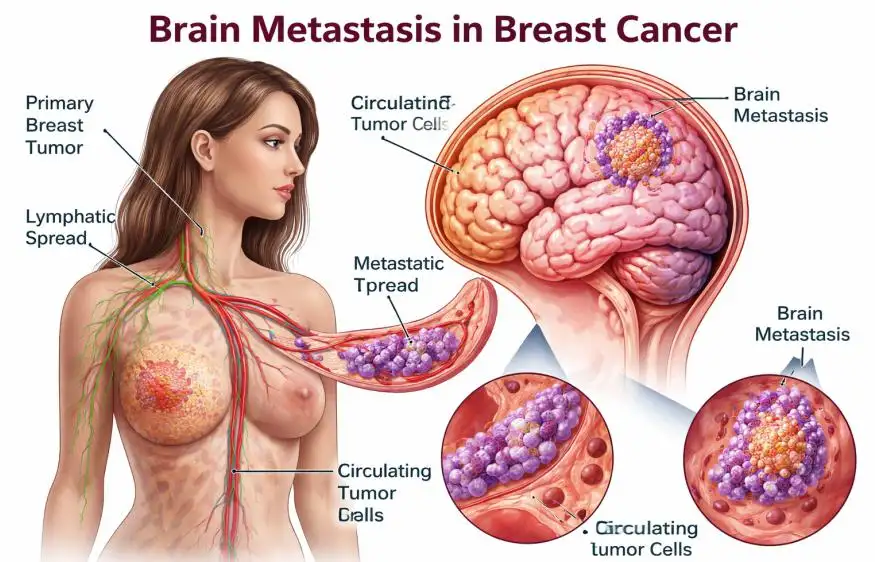
M (Metastasis)
Accurate documentation of findings supports correct ICD-10 coding and treatment strategies.
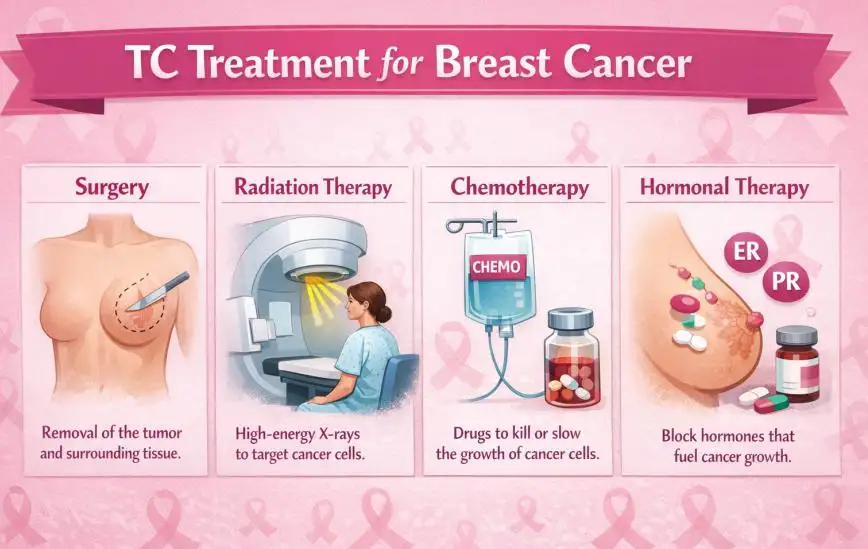
Treatment Options
Treatment depends on cancer type, stage, and molecular characteristics.
1. Surgery
-
Lumpectomy
-
Mastectomy
2. Radiation Therapy
Destroys remaining cancer cells after surgery.
3. Chemotherapy
Systemic treatment to eliminate cancer cells.
4. Hormone Therapy
For hormone receptor-positive cancers.
5. Targeted Therapy
HER2-targeted drugs such as trastuzumab.
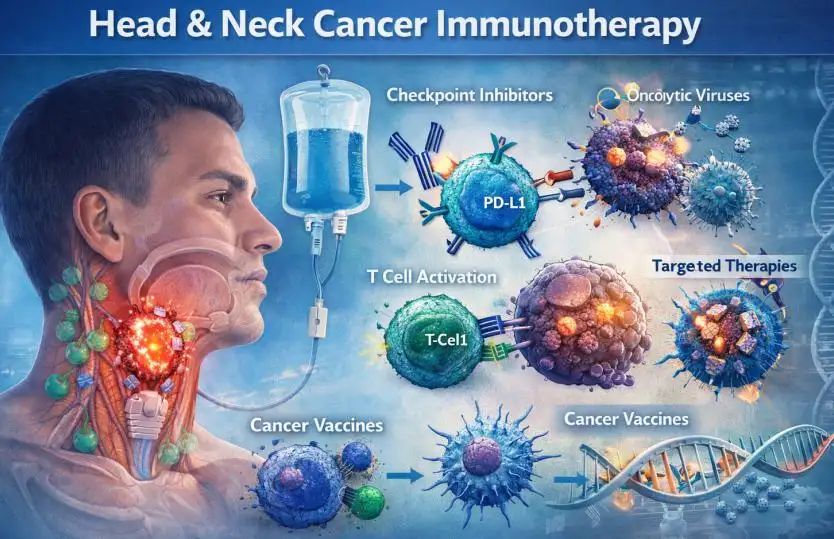
6. Immunotherapy
Emerging treatment for certain subtypes.
Proper classification under the correct icd 10 code for breast cancer ensures coordinated multidisciplinary care.
Prevention and Lifestyle Recommendations
While not all breast cancers are preventable, you can reduce risk by:
-
Maintaining a healthy weight
-
Exercising regularly
-
Limiting alcohol intake
-
Avoiding smoking
-
Undergoing regular mammograms
-
Genetic counseling if high risk
Proactive health management significantly reduces mortality.
Prognosis and Survival Rates
Breast cancer prognosis depends on stage at diagnosis.
| Stage | 5-Year Relative Survival Rate |
|---|---|
| Localized | ~99% |
| Regional | ~86% |
| Distant (Metastatic) | ~30% |
Early-stage detection dramatically improves survival rates. Accurate documentation and use of the icd 10 code for breast cancer contribute to reliable statistical tracking and outcome research.
Latest Research and Innovations
Breast cancer research continues to evolve rapidly. Current innovations include:
-
Personalized medicine based on genetic profiling
-
Liquid biopsies
-
AI-assisted imaging analysis
-
mRNA-based therapies
-
Novel immunotherapies
These advancements aim to improve early detection, reduce recurrence, and increase survival rates.
Coping and Support for Patients
A breast cancer diagnosis affects more than just physical health. Emotional and psychological support is crucial.
Support Options
-
Oncology counseling
-
Support groups
-
Family therapy
-
Survivorship programs
-
Patient advocacy organizations
You are not alone in this journey. Emotional resilience, combined with expert medical care, significantly improves quality of life during treatment and recovery.
Conclusion
Understanding the icd 10 code for breast cancer is vital for accurate diagnosis, treatment planning, insurance processing, and medical research. From early symptoms to advanced therapies, proper classification under ICD-10 ensures clarity across the healthcare system.
If you or someone you care about is facing a breast cancer diagnosis, early detection, accurate coding, and comprehensive treatment planning can make a life-saving difference. Stay informed, proactive, and engaged in your healthcare journey.
FAQ
1. What is the main ICD 10 code for breast cancer?
The primary icd 10 code for breast cancer is C50, which includes various subcategories based on tumor location.
2. What is the ICD 10 code for carcinoma in situ of the breast?
It is coded as D05 under ICD-10.
3. Why is the ICD 10 code important?
It ensures accurate medical documentation, billing, insurance claims, and epidemiological tracking.
4. Does ICD-10 code specify cancer stage?
No, staging is documented separately using the TNM system, but it complements the icd 10 code for breast cancer.
5. Can men have breast cancer?
Yes, although rare, men can develop breast cancer and are classified under the same ICD-10 C50 category.