Life Expectancy in Prostate Cancer with Bone Metastases: Prognosis, Treatment, and Survival Insights
Life expectancy in prostate cancer with bone metastases is one of the most common concerns for patients and their families after receiving a diagnosis. When prostate cancer spreads to the bones, it is considered advanced or metastatic disease, which can significantly affect both survival outcomes and quality of life. However, modern treatment strategies and early intervention have transformed the outlook for many patients, offering longer survival and better symptom control than ever before.
Understanding what influences prognosis empowers patients to make informed decisions about treatment and lifestyle changes. In this comprehensive guide, we explore the factors that shape life expectancy in prostate cancer with bone metastases, available treatment options, recent medical advances, and practical steps to improve daily well-being and long-term outcomes.
Overview
Prostate cancer with bone metastases occurs when cancer cells migrate from the prostate gland to the skeletal system, commonly affecting the spine, hips, ribs, and pelvis. Bone involvement is the most frequent site of metastasis in advanced prostate cancer and is associated with pain, fractures, and reduced mobility.
Despite being a serious condition, it is important to note that metastatic prostate cancer often progresses more slowly than many other cancers. With proper treatment, patients can live for several years while maintaining a good quality of life. Life expectancy in prostate cancer with bone metastases depends on disease stage, response to therapy, overall health, and access to specialized care.
Types
Bone metastases in prostate cancer can be classified based on disease behavior and treatment response.
| Type | Description | Impact on Prognosis |
|---|---|---|
| Hormone-sensitive metastatic prostate cancer | Cancer still responds to hormone therapy | Generally better survival outcomes |
| Castration-resistant prostate cancer (CRPC) | Cancer progresses despite hormone therapy | More challenging to treat |
| Oligometastatic disease | Limited number of bone lesions | Potential for targeted treatment benefit |
| Widespread bone metastases | Multiple skeletal sites involved | Higher risk of complications |
Causes and Risk Factors
Several factors contribute to the development of bone metastases and influence life expectancy in prostate cancer with bone metastases:
-
Advanced or untreated primary prostate cancer
-
High PSA levels at diagnosis
-
Aggressive tumor grade (high Gleason score)
-
Delayed detection or limited access to screening
-
Family history of prostate cancer
-
Older age and weakened immune function
Early diagnosis and appropriate management of localized prostate cancer significantly reduce the risk of metastatic spread.
Symptoms and Early Warning Signs
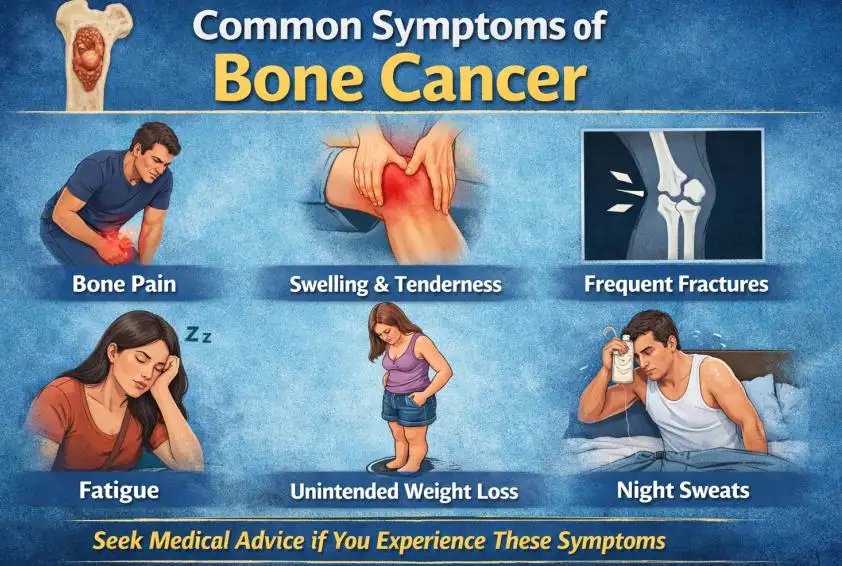
Bone metastases may remain silent in early stages, but symptoms often develop as the disease progresses.
Common symptoms include:
-
Persistent bone pain, especially in the back, hips, or ribs
-
Fractures caused by weakened bones
-
Numbness or weakness due to spinal cord compression
-
Fatigue and unexplained weight loss
-
Difficulty walking or reduced mobility
Recognizing these warning signs early can lead to faster diagnosis and timely treatment, improving both comfort and survival prospects.
Diagnosis
Accurate diagnosis is essential for determining treatment strategy and estimating life expectancy in prostate cancer with bone metastases.
Diagnostic tools commonly used include:
-
PSA blood tests to monitor disease activity
-
Bone scans to detect skeletal involvement
-
MRI and CT scans for detailed imaging
-
PET scans using prostate-specific tracers
-
Biopsy in selected cases to confirm metastatic disease
These tests help physicians assess disease extent and track response to therapy over time.
Treatment Options
Treatment aims to slow disease progression, reduce symptoms, and extend survival.
| Treatment Type | Purpose | Benefits |
|---|---|---|
| Hormone therapy (ADT) | Lower testosterone levels | Slows cancer growth |
| Chemotherapy | Destroy rapidly dividing cancer cells | Improves survival in advanced stages |
| Bone-targeted therapy | Strengthen bones and reduce fractures | Improves quality of life |
| Radiation therapy | Relieve pain and control localized disease | Symptom relief |
| Immunotherapy | Boost immune response | Potential long-term benefit |
| Targeted therapy | Attack specific cancer pathways | Personalized treatment approach |
Many patients benefit from combination therapies, which have been shown to improve life expectancy in prostate cancer with bone metastases compared to single treatments alone.
Prevention and Lifestyle Recommendations
Although metastatic prostate cancer cannot always be prevented, healthy lifestyle choices can support treatment effectiveness and overall well-being.
Recommended strategies include:
-
Maintaining a balanced diet rich in fruits, vegetables, and lean protein
-
Engaging in regular low-impact physical activity
-
Avoiding smoking and excessive alcohol consumption
-
Ensuring adequate calcium and vitamin D intake
-
Managing stress through relaxation techniques and counseling
-
Attending regular follow-up appointments
These habits help strengthen the immune system and improve tolerance to cancer therapies.
Prognosis and Survival Rates
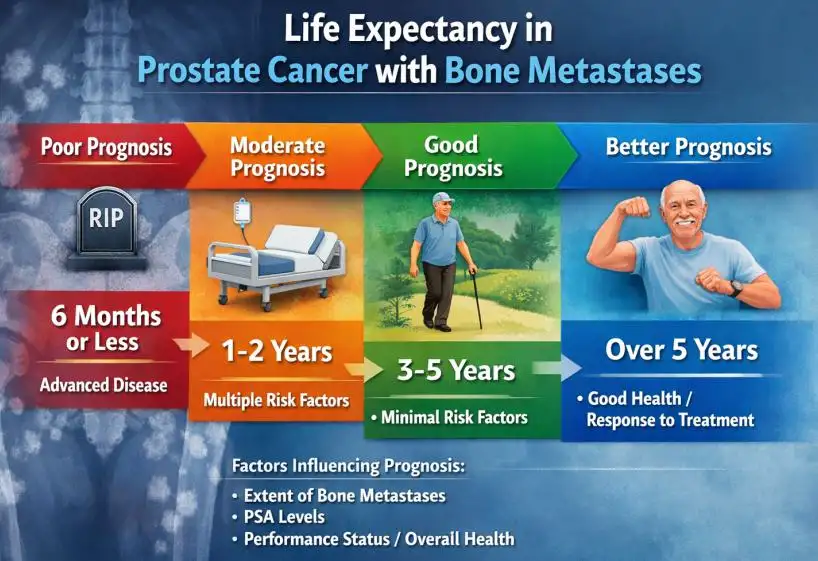
Life expectancy in prostate cancer with bone metastases varies widely depending on disease stage, treatment response, and patient health.
| Disease Stage | Estimated Median Survival |
|---|---|
| Hormone-sensitive metastatic disease | 3 to 5 years or longer |
| Castration-resistant with bone metastases | 1.5 to 3 years |
| Patients responding well to modern combination therapy | 5 years or more in some cases |
It is important to remember that survival statistics are averages. Many patients live longer than expected due to advances in personalized medicine and improved supportive care.
Latest Research and Innovations
Ongoing research continues to improve life expectancy in prostate cancer with bone metastases.
Key innovations include:
-
Advanced imaging for earlier detection of bone spread
-
Radiopharmaceuticals that target bone lesions directly
-
Next-generation hormone therapies
-
Precision medicine based on genetic profiling
-
Artificial intelligence for treatment planning and monitoring
These breakthroughs are helping doctors tailor therapies to individual patients, maximizing effectiveness while minimizing side effects.
Coping and Support for Patients
Living with metastatic prostate cancer can be emotionally and physically challenging. Support plays a vital role in maintaining quality of life.
Helpful coping strategies include:
-
Joining cancer support groups
-
Seeking psychological counseling
-
Engaging family and caregivers in treatment decisions
-
Practicing mindfulness and stress reduction
-
Maintaining open communication with healthcare providers
Emotional resilience and strong social support have been linked to better treatment adherence and improved overall outcomes.
Conclusion
Life expectancy in prostate cancer with bone metastases has improved significantly thanks to modern medical advances, combination therapies, and personalized treatment approaches. While the diagnosis can feel overwhelming, many patients are now living longer and more fulfilling lives than ever before.
By understanding the disease, exploring treatment options, adopting healthy lifestyle habits, and seeking strong support systems, patients can take an active role in their care and maximize both survival and quality of life.
FAQ
1. What is the average life expectancy in prostate cancer with bone metastases?
It varies widely, but many patients live between 2 and 5 years, with some exceeding this range due to advanced treatments.
2. Can prostate cancer with bone metastases be cured?
Currently, it is not considered curable, but it is highly treatable. Many therapies can control disease progression for extended periods.
3. Does early treatment improve survival?
Yes. Early intervention and combination therapies significantly improve life expectancy in prostate cancer with bone metastases.
4. Is bone pain always present with metastases?
No. Some patients have no symptoms initially. Regular imaging and monitoring are essential for early detection.
5. What lifestyle changes help improve outcomes?
Healthy eating, regular physical activity, stress management, and adherence to treatment plans all contribute to better overall outcomes.