Lung Cancer Environmental Factors: Key Risks, Prevention Strategies, and Latest Insights
Lung cancer remains one of the most serious and life-threatening diseases worldwide. While smoking is widely recognized as the leading cause, growing evidence highlights the powerful role of lung cancer environmental factors in triggering the disease. Many people who have never smoked are still diagnosed each year, raising important questions about the air we breathe, the environments we live in, and the exposures we may not even realize exist.
Understanding lung cancer environmental factors is crucial for prevention, early detection, and long-term health protection. In this article, we will explore the types of lung cancer, the environmental risks involved, symptoms to watch for, available treatments, survival rates, and the latest scientific innovations. By the end, you’ll have a clearer picture of how environmental exposure impacts lung health, and what steps you can take to reduce your risk.
Overview
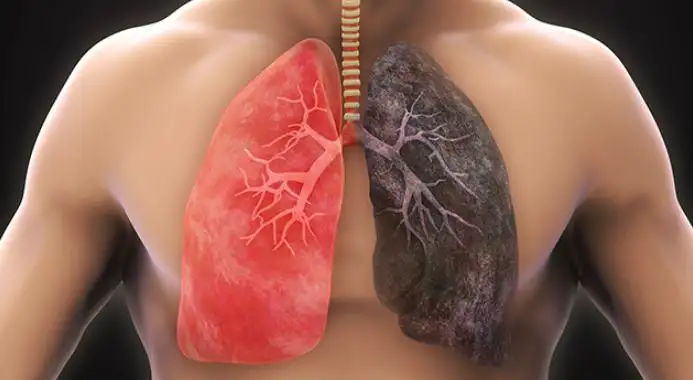
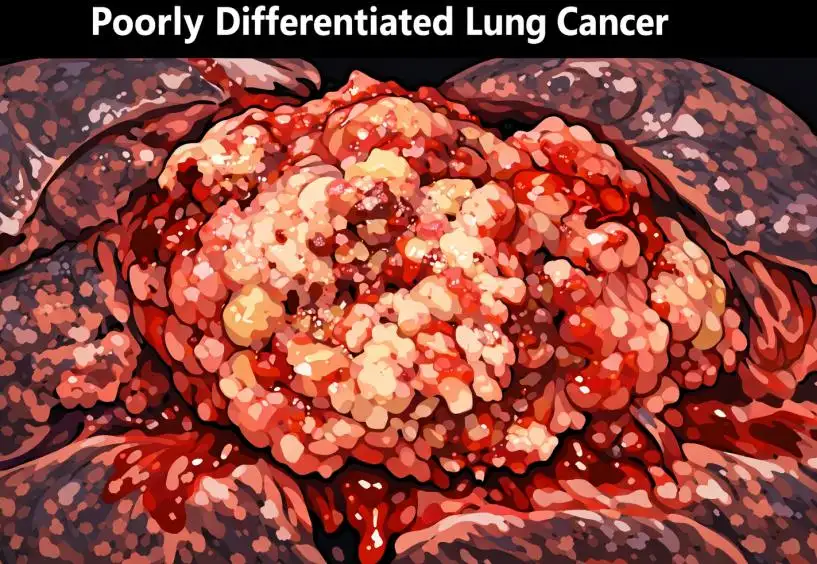
Lung cancer develops when abnormal cells in the lungs grow uncontrollably, forming tumors that may spread to other parts of the body. According to the World Health Organization, lung cancer is one of the most commonly diagnosed cancers globally and a leading cause of cancer-related deaths.
While tobacco use remains the dominant cause, lung cancer environmental factors such as air pollution, radon gas, asbestos exposure, and occupational hazards significantly contribute to global cases. In some regions, environmental exposure accounts for a large proportion of lung cancer diagnoses, especially among non-smokers.
Types
Lung cancer is broadly categorized into two main types:
| Type | Description | Prevalence |
|---|---|---|
| Non-Small Cell Lung Cancer (NSCLC) | Slower-growing and more common form | ~85% of cases |
| Small Cell Lung Cancer (SCLC) | Faster-growing, more aggressive type | ~15% of cases |
Non-small cell lung cancer includes subtypes such as adenocarcinoma, squamous cell carcinoma, and large cell carcinoma. Environmental factors may influence the development of both major types.
Causes and Risk Factors
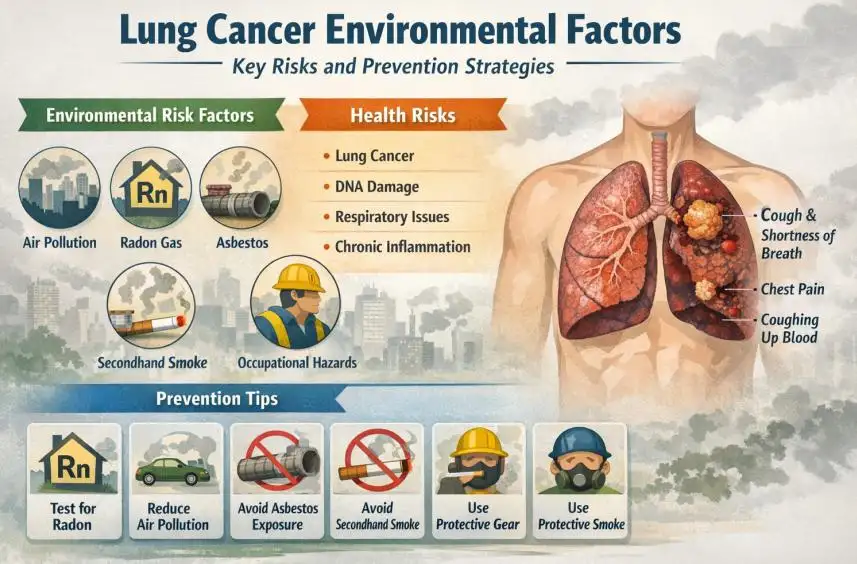
When discussing lung cancer environmental factors, it’s important to understand how various exposures damage lung tissue over time. These exposures can cause inflammation, DNA mutations, and long-term cellular damage.
Major Environmental Risk Factors
| Environmental Factor | How It Increases Risk | Common Sources |
|---|---|---|
| Air Pollution | Fine particulate matter damages lung cells | Urban traffic, industrial emissions |
| Radon Gas | Radioactive gas that damages DNA | Soil beneath homes, basements |
| Asbestos | Fibers cause chronic inflammation | Construction, shipbuilding |
| Secondhand Smoke | Inhalation of carcinogens | Indoor environments |
| Occupational Chemicals | Exposure to carcinogens | Mining, manufacturing |
The International Agency for Research on Cancer classifies outdoor air pollution and particulate matter as carcinogenic to humans. Long-term exposure to polluted air significantly increases lung cancer risk, even among non-smokers.
Radon, a naturally occurring radioactive gas, is considered the second leading cause of lung cancer in many countries. Because it is colorless and odorless, testing is the only way to detect it.
Symptoms and Early Warning Signs
Early-stage lung cancer may not cause noticeable symptoms. However, as the disease progresses, you may experience:
-
Persistent cough
-
Chest pain
-
Shortness of breath
-
Coughing up blood
-
Unexplained weight loss
-
Fatigue
-
Hoarseness
If you live in a high-pollution area or work in an environment with known lung cancer environmental factors, it is especially important to consult a healthcare professional if symptoms persist.
Diagnosis
Early detection improves survival rates significantly. Diagnostic methods include:
-
Chest X-rays
-
Low-dose CT scans
-
PET scans
-
Biopsy
-
Sputum cytology
Low-dose CT screening is particularly recommended for high-risk individuals, including those exposed to long-term environmental hazards.
Treatment Options
Treatment depends on the cancer type, stage, genetic profile, and overall health of the patient.
Common treatment options include:
-
Surgery (tumor removal)
-
Chemotherapy
-
Radiation therapy
-
Targeted therapy
-
Immunotherapy
Advances in targeted therapies now allow doctors to attack specific genetic mutations within cancer cells, improving outcomes and reducing side effects compared to traditional treatments.
Prevention and Lifestyle Recommendations
Reducing exposure to lung cancer environmental factors can significantly lower your risk. Here are practical prevention steps:
-
Test your home for radon.
-
Use air purifiers in polluted areas.
-
Avoid exposure to secondhand smoke.
-
Follow workplace safety regulations.
-
Wear protective equipment if exposed to hazardous materials.
-
Support clean air initiatives in your community.
You cannot always control outdoor pollution levels, but you can make informed choices that protect your lungs indoors and at work.
Prognosis and Survival Rates
Prognosis depends largely on the stage at diagnosis. Early-stage lung cancer has significantly better survival rates compared to advanced-stage disease.
| Stage | 5-Year Survival Rate (Approximate) |
|---|---|
| Localized | 60% or higher |
| Regional | 30–35% |
| Distant (Metastatic) | 5–10% |
Screening and early detection remain critical, particularly for individuals exposed to high levels of environmental carcinogens.
Latest Research and Innovations
Scientific research continues to explore how lung cancer environmental factors interact with genetics. Current innovations include:
-
AI-based imaging analysis for early detection
-
Biomarker-driven personalized therapy
-
Liquid biopsies for non-invasive monitoring
-
Research on pollution-related molecular pathways
Organizations such as the American Cancer Society are actively funding studies focused on prevention, early detection, and improving treatment outcomes.
Emerging evidence suggests that reducing air pollution levels may directly decrease lung cancer incidence over time, demonstrating the powerful impact of environmental policy on public health.
Coping and Support for Patients
A lung cancer diagnosis can be emotionally overwhelming. Patients often face physical, psychological, and financial challenges.
Support strategies include:
-
Counseling and therapy
-
Support groups (online and in-person)
-
Nutritional guidance
-
Pulmonary rehabilitation
-
Palliative care for symptom management
Family involvement and community support can make a meaningful difference in coping and recovery.
Conclusion
Lung cancer environmental factors play a critical and sometimes underestimated role in the development of this disease. While smoking remains a major cause, environmental exposures such as air pollution, radon gas, asbestos, and occupational hazards significantly increase risk, even among non-smokers.
By understanding these environmental risks, recognizing early symptoms, and prioritizing prevention and screening, you can take proactive steps to protect your lung health. Awareness is the first step toward prevention, and informed action can save lives.
FAQ
1. What are the most common lung cancer environmental factors?
The most common include air pollution, radon gas, asbestos exposure, secondhand smoke, and occupational chemical exposure.
2. Can non-smokers get lung cancer from environmental exposure?
Yes. Long-term exposure to polluted air, radon, and other carcinogens can increase lung cancer risk even in individuals who have never smoked.
3. How can I test for radon in my home?
Radon test kits are widely available and relatively inexpensive. Professional radon testing services are also an option for more accurate results.
4. Is air pollution really a significant cause of lung cancer?
Yes. Major health organizations classify outdoor air pollution as carcinogenic, and long-term exposure significantly increases lung cancer risk.
5. Can reducing environmental exposure lower my risk?
Absolutely. Testing for radon, improving indoor air quality, avoiding occupational hazards, and supporting clean air policies can meaningfully reduce risk over time.