Lymph Node Cancer in Dogs – Complete Guide to Causes, Symptoms, Diagnosis, and Treatment

Lymph node cancer in dogs, also known as canine lymphoma, is one of the most commonly diagnosed cancers in veterinary medicine. This disease affects the lymphatic system, which plays a vital role in your dog’s immune defense. Because lymph nodes are present throughout the body, this cancer can spread quickly if not detected early.
As a dog owner, understanding lymph node cancer in dogs can make a powerful difference in your pet’s life. With the right knowledge, early detection, and modern veterinary treatments, many dogs can live comfortable, fulfilling lives even after diagnosis.
Overview
Lymph node cancer in dogs occurs when abnormal lymphocytes (white blood cells) grow uncontrollably. These cells typically protect the body from infection, but when they become cancerous, they form tumors in the lymph nodes and other organs.
The lymphatic system includes lymph nodes, the spleen, bone marrow, and thymus. Since these structures are spread throughout the body, canine lymphoma is considered a systemic cancer rather than a localized one.
Types of Lymph Node Cancer in Dogs
There are several forms of lymphoma depending on where the cancer begins and how aggressive it is.
| Type | Description | Common Signs |
|---|---|---|
| Multicentric | Affects multiple lymph nodes | Swollen nodes in neck, chest, or legs |
| Alimentary | Involves the digestive tract | Vomiting, diarrhea, weight loss |
| Mediastinal | Affects the chest area | Breathing difficulty, coughing |
| Extranodal | Affects organs like skin, eyes, or kidneys | Depends on organ affected |
Multicentric lymphoma is the most common form of lymph node cancer in dogs.
Causes and Risk Factors
The exact cause of lymph node cancer in dogs is unknown, but certain risk factors increase the likelihood of developing this disease.
| Risk Factor | Explanation |
|---|---|
| Age | Most common in middle-aged to older dogs |
| Breed | Boxers, Golden Retrievers, and German Shepherds are more susceptible |
| Environmental toxins | Exposure to pesticides, herbicides, or pollution |
| Immune system issues | Weakened immune systems may increase risk |
Genetics and long-term environmental exposure are believed to play a role in disease development.
Symptoms and Early Warning Signs
Early detection of lymph node cancer in dogs greatly improves treatment success. Watch for these common signs:
-
Enlarged lymph nodes (lumps under the jaw, armpits, or behind knees)
-
Lethargy and reduced energy
-
Loss of appetite and weight loss
-
Fever
-
Vomiting or diarrhea
-
Difficulty breathing
If you notice any of these symptoms, seek veterinary care immediately.
Diagnosis
Veterinarians use a combination of tests to diagnose lymph node cancer in dogs. These include:
-
Physical examination
-
Fine needle aspiration of lymph nodes
-
Blood tests
-
Biopsy
-
Imaging (X-rays, ultrasound)
These tests help determine the type and stage of cancer, which guides treatment decisions.
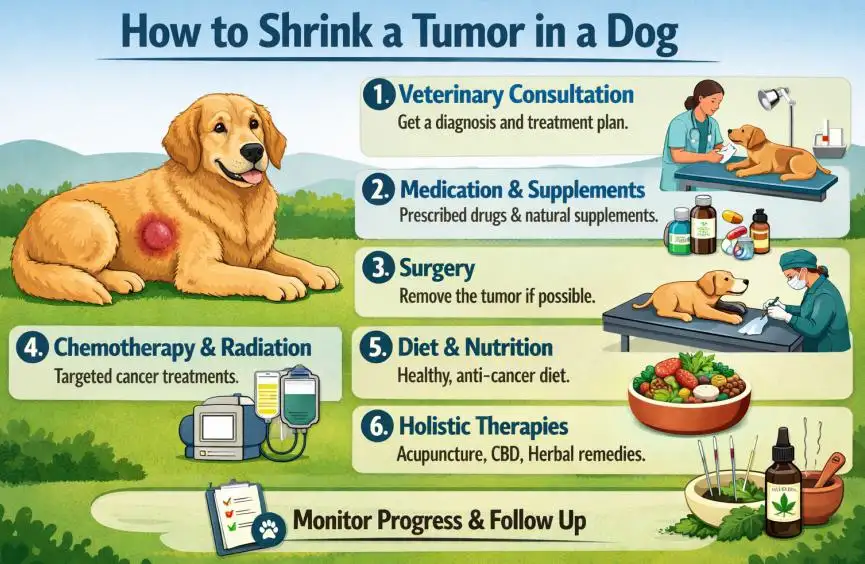
Treatment Options
Modern veterinary medicine offers several effective treatments for lymph node cancer in dogs.
| Treatment | Purpose |
|---|---|
| Chemotherapy | Main treatment; often leads to remission |
| Steroids | Reduces inflammation and improves comfort |
| Radiation therapy | Used for localized tumors |
| Immunotherapy | Helps boost immune response |
Chemotherapy in dogs is generally well tolerated, with fewer side effects than in humans.
Prevention and Lifestyle Recommendations
While there is no guaranteed way to prevent lymph node cancer in dogs, healthy lifestyle choices can reduce risks:
-
Provide a balanced, high-quality diet
-
Minimize exposure to chemicals and pesticides
-
Maintain regular veterinary checkups
-
Support immune health with exercise and proper nutrition
A proactive approach can help detect cancer early and improve outcomes.
Prognosis and Survival Rates
With proper treatment, many dogs achieve remission. On average:
| Treatment Type | Median Survival Time |
|---|---|
| No treatment | 1–2 months |
| Steroid therapy | 2–4 months |
| Chemotherapy | 9–14 months or longer |
Some dogs can live several years with proper care and follow-up.
Latest Research and Innovations
Veterinary oncology continues to advance rapidly. New therapies for lymph node cancer in dogs include targeted drugs, cancer vaccines, and personalized chemotherapy protocols. Researchers are also studying genetic markers to improve early detection and treatment effectiveness.
Coping and Support for Patients
Caring for a dog with cancer is emotionally challenging, but your support makes a huge difference. Maintain a calm environment, offer gentle exercise, and ensure your dog eats well and stays hydrated. Many pet owners also find comfort in support groups and counseling services.
Conclusion
Lymph node cancer in dogs is a serious but manageable condition. With early detection, modern treatment options, and loving care, many dogs can enjoy a good quality of life after diagnosis. Staying informed empowers you to make the best decisions for your loyal companion.
FAQ
1. Is lymph node cancer in dogs curable?
While it is rarely cured, many dogs can achieve long-term remission with treatment.
2. How fast does lymphoma progress in dogs?
It can progress rapidly, which is why early diagnosis is critical.
3. Is chemotherapy painful for dogs?
No. Most dogs tolerate chemotherapy very well with minimal side effects.
4. Can diet help dogs with lymphoma?
Yes. A nutritious, high-protein, low-carbohydrate diet can support overall health during treatment.
5. How often should my dog be checked after diagnosis?
Regular follow-ups every few weeks help monitor treatment progress and adjust care as needed.