Photodynamic Therapy for Skin Cancer: Benefits, Procedure, Effectiveness, and Latest Advances
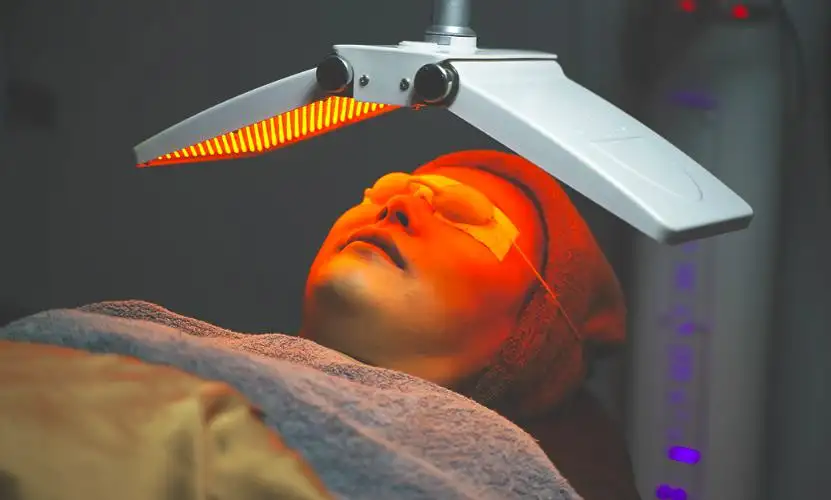
Photodynamic therapy for skin cancer has emerged as a modern, minimally invasive treatment option that offers effective tumor control with excellent cosmetic outcomes. As skin cancer rates continue to rise globally, patients and healthcare providers are increasingly seeking targeted therapies that reduce damage to healthy tissue while delivering strong clinical results. This innovative approach uses a combination of light-sensitive medication and specific wavelengths of light to destroy cancer cells safely and precisely.
If you or a loved one has been diagnosed with early-stage skin cancer or precancerous lesions, understanding photodynamic therapy for skin cancer can help you make informed treatment decisions. In this comprehensive guide, we will explore how the therapy works, who benefits most, potential risks, outcomes, and the latest research shaping this promising treatment method.
Overview
Photodynamic therapy (PDT) is a medical procedure that combines three components: a photosensitizing agent, light exposure, and oxygen. When the treated area is exposed to light, the activated drug produces reactive oxygen species that selectively destroy abnormal or cancerous cells.
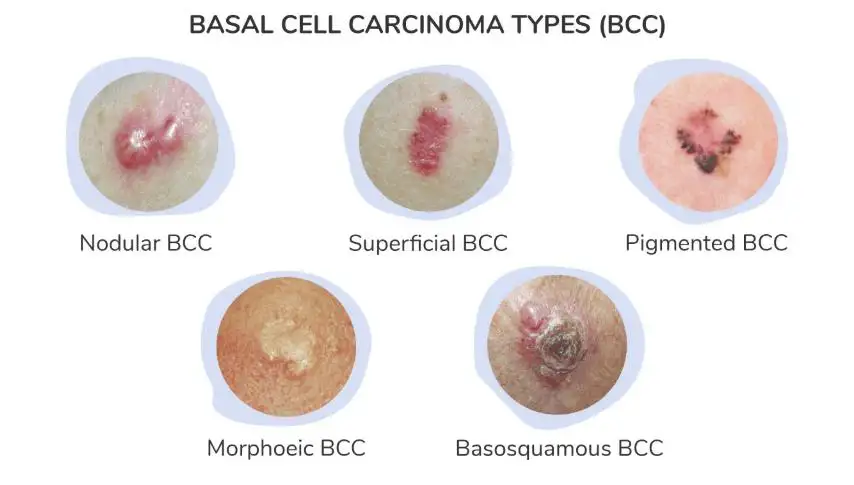
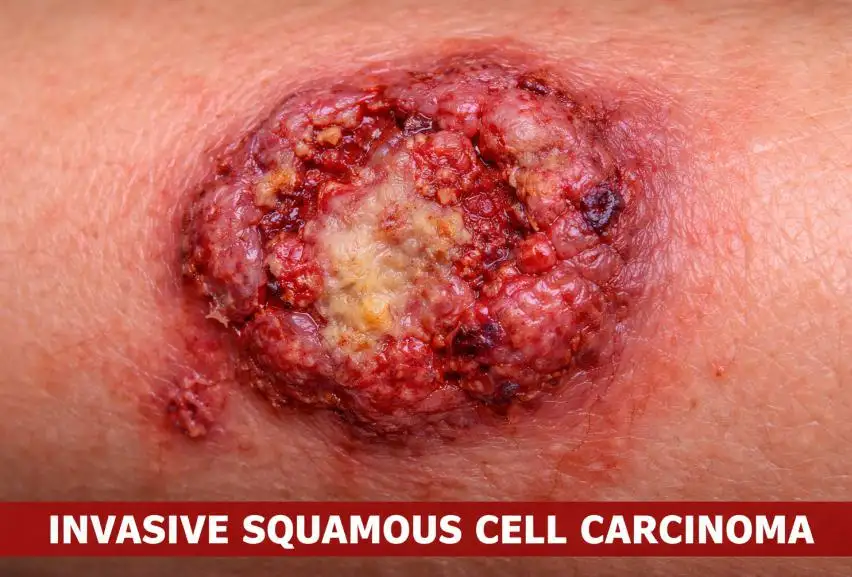
Photodynamic therapy for skin cancer is most commonly used for superficial basal cell carcinoma, squamous cell carcinoma in situ (Bowen’s disease), and actinic keratosis. It is widely valued for its precision, minimal scarring, and short recovery time compared to surgical treatments.
How Photodynamic Therapy Works
| Step | Description |
|---|---|
| Application of Photosensitizer | A topical medication is applied to the affected skin area |
| Absorption Period | The drug is absorbed by abnormal cells over several hours |
| Light Activation | The area is exposed to a specific light source |
| Cell Destruction | Activated drug destroys cancer cells selectively |
| Healing Phase | Skin regenerates naturally over days to weeks |
Types
Different forms of photodynamic therapy for skin cancer vary based on the photosensitizer and light source used.
Common Types of PDT
| Type | Photosensitizer | Light Source | Typical Use |
|---|---|---|---|
| ALA-PDT | Aminolevulinic acid | Blue or red light | Actinic keratosis, superficial cancers |
| MAL-PDT | Methyl aminolevulinate | Red light | Basal cell carcinoma |
| Daylight PDT | ALA or MAL | Natural sunlight | Large areas of sun damage |
Each type is selected based on lesion depth, location, and patient skin type.
Causes and Risk Factors
Skin cancer develops primarily due to DNA damage in skin cells. Several risk factors increase the likelihood of needing treatments such as photodynamic therapy.
Major Risk Factors
| Risk Factor | Impact |
|---|---|
| Excessive UV exposure | Primary cause of skin cancer |
| Fair skin | Lower melanin protection |
| History of sunburns | Increased cumulative damage |
| Age | Risk rises with cumulative exposure |
| Weakened immune system | Reduced cancer surveillance |
| Genetic predisposition | Higher baseline susceptibility |
Reducing these risk factors can significantly lower the need for invasive treatments.
Symptoms and Early Warning Signs
Recognizing early symptoms is essential for successful photodynamic therapy for skin cancer outcomes.
Common Warning Signs
-
Rough, scaly patches that do not heal
-
Red or pink lesions with irregular borders
-
Slow-growing shiny bumps
-
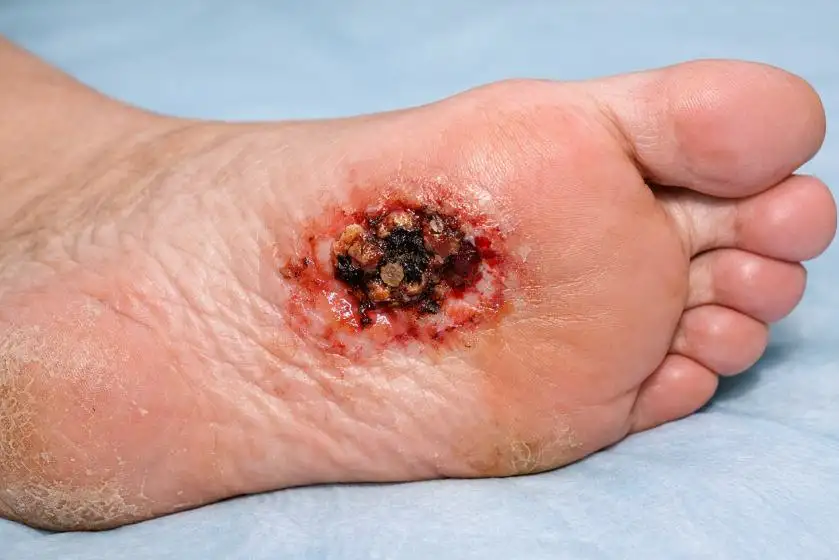
Persistent sores or ulcers
-
Changes in color, size, or texture of skin spots
Early detection allows PDT to be used effectively with higher cure rates.
Diagnosis
Before starting photodynamic therapy for skin cancer, an accurate diagnosis is essential.
Diagnostic Methods
| Method | Purpose |
|---|---|
| Visual skin examination | Initial assessment |
| Dermoscopy | Magnified lesion evaluation |
| Skin biopsy | Confirms cancer type |
| Imaging (rare) | Used for deeper lesions |
Biopsy results help determine whether PDT is appropriate or if alternative treatments are required.
Treatment Options
Photodynamic therapy is one of several available skin cancer treatments. The choice depends on cancer type, size, depth, and patient preference.
Comparison of Treatment Options
| Treatment | Invasiveness | Cosmetic Outcome | Recovery Time |
|---|---|---|---|
| Photodynamic therapy | Low | Excellent | Short |
| Surgical excision | Moderate | Good | Moderate |
| Mohs surgery | Moderate | Excellent | Moderate |
| Cryotherapy | Low | Fair | Short |
| Radiation therapy | Moderate | Good | Longer |
Photodynamic therapy for skin cancer is especially favored for visible areas such as the face and scalp due to its cosmetic benefits.
Prevention and Lifestyle Recommendations
Preventing skin cancer reduces the need for repeated therapies.
Prevention Tips
-
Use broad-spectrum sunscreen daily
-
Wear protective clothing and hats
-
Avoid peak sun exposure
-
Perform regular skin self-exams
-
Attend routine dermatology checkups
-
Avoid tanning beds
Healthy lifestyle habits support overall skin health and reduce recurrence risk.
Prognosis and Survival Rates
The prognosis for patients receiving photodynamic therapy for skin cancer is generally positive, especially when lesions are detected early.
Expected Outcomes
| Condition Treated | Success Rate |
|---|---|
| Actinic keratosis | 85–95% clearance |
| Superficial basal cell carcinoma | 70–90% control |
| Bowen’s disease | 80–90% response |
Recurrence rates remain low when combined with proper follow-up and sun protection practices.
Latest Research and Innovations
Ongoing research continues to enhance the effectiveness of photodynamic therapy for skin cancer.
Emerging Developments
-
Improved photosensitizers with deeper tissue penetration
-
Nanotechnology-based drug delivery systems
-
Combination PDT with immunotherapy
-
Artificial intelligence for lesion mapping
-
Shorter treatment protocols
These innovations aim to increase cure rates, reduce side effects, and expand PDT applications.
Coping and Support for Patients
A skin cancer diagnosis can be emotionally challenging, even when prognosis is favorable.
Support Strategies
-
Join patient support groups
-
Seek counseling if anxiety persists
-
Educate yourself about treatment options
-
Maintain open communication with healthcare providers
-
Practice stress-reduction techniques
Emotional well-being plays an important role in treatment success and recovery.
Conclusion
Photodynamic therapy for skin cancer offers a safe, effective, and cosmetically appealing option for treating early-stage skin cancers and precancerous lesions. Its targeted approach minimizes damage to healthy tissue while delivering high treatment success rates. With advancements in technology and ongoing research, PDT continues to become more efficient and accessible.
By combining early detection, proper diagnosis, preventive measures, and expert medical care, patients can achieve excellent long-term outcomes. If you are considering photodynamic therapy, consult a qualified dermatologist to determine whether this treatment is suitable for your specific condition.
FAQ
1. What is photodynamic therapy for skin cancer?
Photodynamic therapy for skin cancer is a treatment that uses light-activated medication to destroy abnormal or cancerous skin cells selectively.
2. Is photodynamic therapy painful?
Most patients experience mild burning or tingling during treatment, which typically subsides shortly after the session.
3. How long does recovery take?
Healing usually occurs within one to two weeks, depending on the treated area and skin sensitivity.
4. Can photodynamic therapy treat all types of skin cancer?
PDT is most effective for superficial skin cancers and precancerous lesions. Deeper tumors may require surgery or other treatments.
5. Are there side effects?
Common side effects include redness, swelling, and temporary sensitivity to light, which generally resolve within a few days.
6. How many sessions are needed?
Some patients need only one session, while others may require multiple treatments based on lesion size and severity.