Secondary Liver Cancer Life Expectancy: Prognosis, Survival Rates, and Treatment

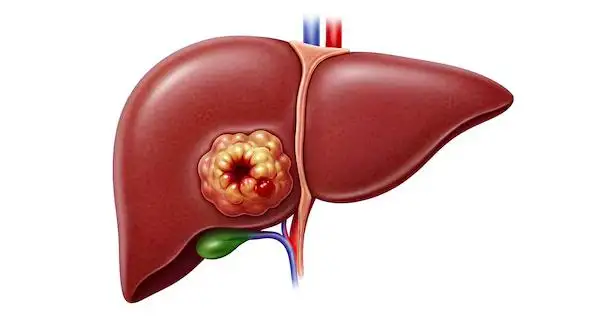
Secondary liver cancer, also known as metastatic liver cancer, occurs when cancer spreads to the liver from another part of the body. Because the liver plays a critical role in metabolism, detoxification, and digestion, cancer involvement in this organ can significantly impact overall health and survival. For patients and families, understanding secondary liver cancer life expectancy is often one of the most pressing and emotionally challenging concerns.
Life expectancy with secondary liver cancer varies widely depending on several factors, including the type of primary cancer, extent of spread, available treatments, and the patient’s overall condition. This article provides a comprehensive, easy-to-understand guide to secondary liver cancer, with a strong focus on prognosis, survival rates, treatment options, and supportive care helping you make informed decisions and feel more empowered throughout the journey.
Overview
Secondary liver cancer develops when cancer cells from another organ travel through the bloodstream or lymphatic system and form tumors in the liver. Unlike primary liver cancer, it is not classified by liver cell type but by the origin of the original (primary) cancer.
Common primary cancers that spread to the liver include colorectal cancer, breast cancer, lung cancer, pancreatic cancer, and stomach cancer. Because the liver filters blood from much of the body, it is a frequent site of metastasis, making secondary liver cancer relatively common in advanced-stage cancers.
Types
Secondary liver cancer is categorized based on the location of the original tumor. The type plays a major role in treatment decisions and secondary liver cancer life expectancy.
| Primary Cancer Source | Likelihood of Liver Metastasis | Prognostic Outlook |
|---|---|---|
| Colorectal cancer | Very common | Often better with treatment |
| Breast cancer | Common | Variable, often manageable |
| Lung cancer | Common | Generally poorer prognosis |
| Pancreatic cancer | Very common | Aggressive, shorter survival |
| Stomach cancer | Moderate | Variable outcomes |
Causes and Risk Factors
Secondary liver cancer is caused by the spread of cancer cells from a primary tumor. Several factors increase the risk of liver metastases:
-
Advanced-stage primary cancer
-
Aggressive tumor biology
-
Delayed diagnosis or limited treatment response
-
Rich blood supply to the liver
-
Weakened immune system
Patients with cancers known to frequently spread to the liver should be closely monitored, as early detection can positively influence secondary liver cancer life expectancy.
Symptoms and Early Warning Signs
In early stages, secondary liver cancer may not cause noticeable symptoms. As the disease progresses, symptoms often become more pronounced:
-
Persistent fatigue and weakness
-
Unexplained weight loss
-
Loss of appetite
-
Abdominal pain or swelling
-
Jaundice (yellowing of skin and eyes)
-
Nausea and vomiting
Early recognition of these warning signs can lead to faster diagnosis and timely treatment.
Diagnosis
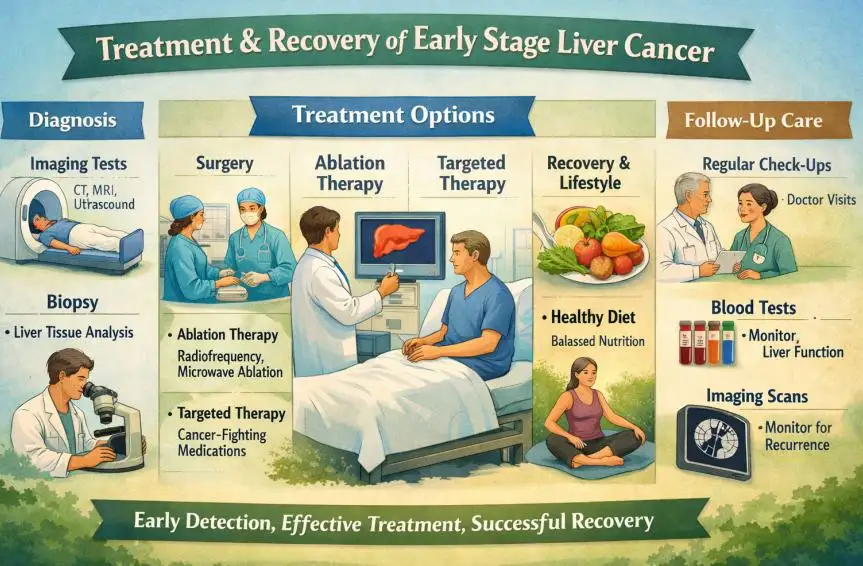
Diagnosing secondary liver cancer typically involves a combination of imaging, blood tests, and sometimes biopsy. Common diagnostic tools include:
-
Ultrasound, CT scan, or MRI
-
PET scans to identify metastases
-
Liver function blood tests
-
Tumor marker tests (depending on primary cancer)
-
Liver biopsy for confirmation
Accurate diagnosis helps determine disease extent and provides essential information for estimating secondary liver cancer life expectancy.
Treatment Options
Treatment aims to control tumor growth, relieve symptoms, and improve survival and quality of life. Options depend on the number of liver tumors, primary cancer type, and overall health.
| Treatment Option | Purpose |
|---|---|
| Systemic chemotherapy | Shrinks or controls tumors |
| Targeted therapy | Attacks cancer-specific pathways |
| Immunotherapy | Enhances immune response |
| Liver surgery (selected cases) | Removes isolated metastases |
| Radiofrequency ablation | Destroys tumors with heat |
| Radiation therapy | Reduces tumor size and pain |
| Palliative care | Symptom relief and comfort |
In some cases, especially with colorectal cancer metastases, aggressive treatment can significantly extend secondary liver cancer life expectancy.
Prevention and Lifestyle Recommendations
While secondary liver cancer cannot always be prevented, certain measures may reduce risk and support overall health:
-
Early and effective treatment of primary cancer
-
Regular follow-up imaging and blood tests
-
Maintaining a balanced, nutrient-rich diet
-
Avoiding alcohol and liver-toxic substances
-
Staying physically active as tolerated
-
Managing stress and mental well-being
A healthy lifestyle can improve treatment tolerance and quality of life.
Prognosis and Survival Rates
Secondary liver cancer life expectancy varies greatly. Prognosis depends on primary cancer type, number of liver metastases, response to treatment, and overall health.
| Condition | Approximate Survival Outlook |
|---|---|
| Untreated advanced metastases | Months |
| Treated metastatic disease | 1–3 years on average |
| Resectable colorectal liver metastases | 5-year survival up to 40–60% |
| Responsive disease with modern therapies | Extended survival possible |
It is important to remember that survival statistics are averages. Many patients live longer than expected due to advances in personalized cancer care.
Latest Research and Innovations
Ongoing research is transforming outcomes for patients with secondary liver cancer. Promising developments include:
-
Precision medicine based on genetic profiling
-
Combination immunotherapy regimens
-
Advanced liver-directed therapies
-
Improved imaging for earlier detection
-
AI-assisted treatment planning
These innovations continue to improve secondary liver cancer life expectancy and quality of life.
Coping and Support for Patients
A diagnosis of secondary liver cancer can be emotionally overwhelming. Support is a vital part of care:
-
Open communication with the medical team
-
Psychological counseling and support groups
-
Family and caregiver involvement
-
Palliative care integration early in treatment
-
Patient education and empowerment
Emotional and social support can make a meaningful difference in daily life and resilience.
Conclusion
Secondary liver cancer is a serious condition, but outcomes have improved significantly with modern treatments and personalized care. Understanding secondary liver cancer life expectancy helps patients and families set realistic expectations, make informed decisions, and focus on both longevity and quality of life. With early detection, appropriate treatment, and comprehensive support, many individuals can achieve better outcomes than ever before.
FAQ
1. What is secondary liver cancer life expectancy?
It varies widely, ranging from months to several years, depending on primary cancer type, treatment response, and overall health.
2. Is secondary liver cancer curable?
In most cases, it is not curable, but it can often be managed as a chronic condition, especially with modern therapies.
3. Which primary cancer has the best prognosis when spread to the liver?
Colorectal cancer with limited liver metastases often has the best outcomes, especially when surgery is possible.
4. Does treatment improve life expectancy?
Yes. Treatments such as chemotherapy, targeted therapy, and surgery can significantly extend survival and improve quality of life.
5. Can lifestyle changes help?
While not curative, healthy lifestyle choices can support treatment effectiveness and overall well-being.