Shin Cancer: Symptoms, Causes, Treatment Options, and Survival Outlook
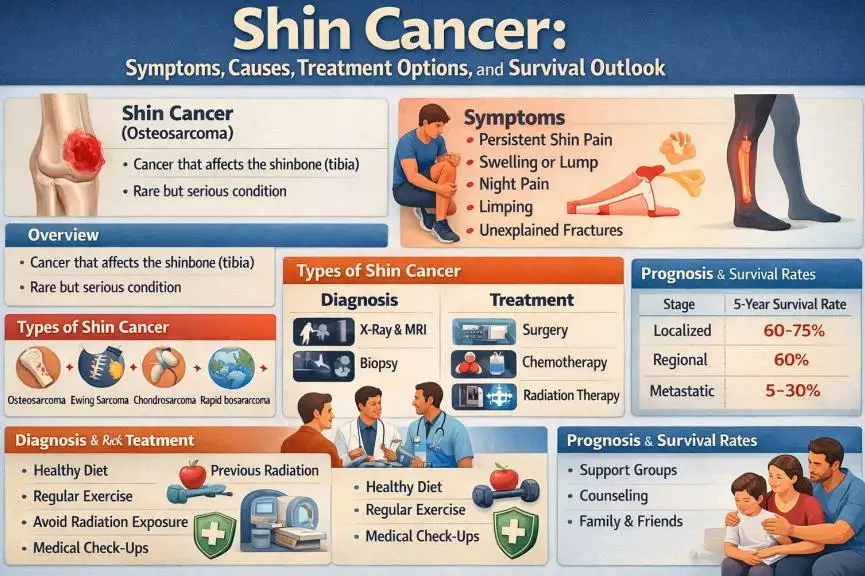
Shin cancer is a term commonly used to describe cancer that develops in the shinbone (tibia), one of the long bones in the lower leg. Although not a formal medical diagnosis, it usually refers to bone cancers such as osteosarcoma or other malignant tumors that affect the tibia. Because this area plays a crucial role in mobility and weight-bearing, early recognition and proper treatment are essential for maintaining quality of life.
Understanding shin cancer can feel overwhelming, especially when symptoms may initially resemble common injuries or muscle strain. This article provides a comprehensive and easy-to-understand guide covering causes, symptoms, diagnosis, treatment options, and prognosis. By learning more about the condition, readers can better recognize warning signs and make informed healthcare decisions.
Overview of Shin Cancer
Shin cancer generally refers to primary bone cancer occurring in the tibia. The tibia is one of the most common sites for certain bone cancers, particularly osteosarcoma, which often develops in long bones near the knee joint.
Bone cancers are relatively rare compared to other cancers, but they can be aggressive if not diagnosed early. Shin cancer may originate in the bone itself (primary bone cancer) or spread from another part of the body (secondary or metastatic cancer). Treatment outcomes vary depending on the cancer type, stage, and overall health of the patient.
Types of Shin Cancer
Several types of bone cancer can affect the shin area. The most common include:
| Type of Cancer | Description | Common Age Group |
|---|---|---|
| Osteosarcoma | Most common primary bone cancer; develops in bone-forming cells | Teens and young adults |
| Ewing Sarcoma | Rare cancer affecting bone or nearby tissue | Children and adolescents |
| Chondrosarcoma | Cancer arising from cartilage cells | Middle-aged and older adults |
| Metastatic Bone Cancer | Cancer spread from other organs | Adults |
Osteosarcoma accounts for many cases involving the tibia and is often associated with periods of rapid bone growth.
Causes and Risk Factors
The exact cause of shin cancer is not always clear, but several risk factors have been identified:
| Risk Factor | Explanation |
|---|---|
| Genetic mutations | Certain inherited syndromes increase risk |
| Previous radiation therapy | Radiation exposure may damage bone cells |
| Rapid bone growth | Seen particularly during adolescence |
| Pre-existing bone conditions | Some bone diseases may increase risk |
| Family history of cancer | Some hereditary conditions raise susceptibility |
While having risk factors does not guarantee cancer development, awareness helps encourage early medical evaluation when symptoms appear.
Symptoms and Early Warning Signs
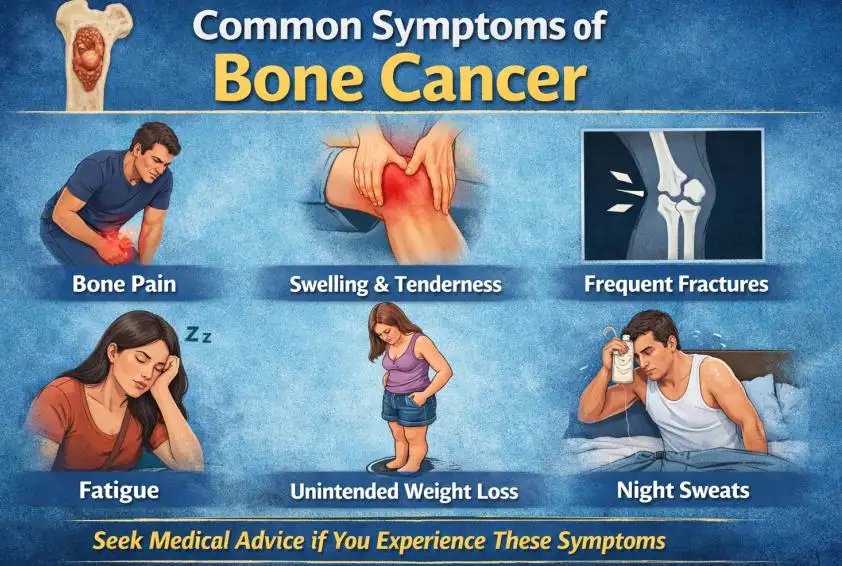
Early symptoms of shin cancer can resemble sports injuries or muscle strain, which sometimes delays diagnosis. Common warning signs include:
-
Persistent pain in the shin or knee area
-
Swelling or a noticeable lump
-
Pain that worsens at night or during activity
-
Limping or reduced mobility
-
Unexplained fractures due to weakened bone
-
Local tenderness or warmth
If symptoms last longer than a few weeks or progressively worsen, medical evaluation is strongly recommended.
Diagnosis
Diagnosing shin cancer typically involves multiple steps to confirm the presence and type of tumor.
| Diagnostic Method | Purpose |
|---|---|
| Physical examination | Assess pain, swelling, and mobility |
| X-ray imaging | Detect abnormal bone changes |
| MRI or CT scan | Evaluate tumor size and spread |
| Bone scan | Identify additional affected areas |
| Biopsy | Confirm cancer type and grade |
A biopsy remains the definitive method for diagnosing bone cancer, as it allows doctors to examine cancer cells directly.
Treatment Options
Treatment for shin cancer depends on cancer type, stage, and patient condition. Most treatment plans involve a combination of approaches:
| Treatment | Purpose |
|---|---|
| Surgery | Remove tumor while preserving limb function when possible |
| Chemotherapy | Destroy cancer cells or shrink tumors |
| Radiation therapy | Used when surgery is not possible or as additional treatment |
| Targeted therapy | Focuses on specific cancer cell mechanisms |
| Limb-sparing surgery | Removes tumor without amputation when feasible |
Modern treatment strategies often aim to preserve the affected limb while ensuring complete tumor removal.
Prevention and Lifestyle Recommendations
There is no guaranteed way to prevent shin cancer, but certain lifestyle habits may help support overall bone and cancer health:
-
Maintain a balanced diet rich in calcium and vitamin D
-
Engage in regular physical activity
-
Avoid unnecessary radiation exposure
-
Seek medical evaluation for persistent bone pain
-
Attend regular health checkups if at high risk
Early medical attention remains one of the most effective ways to improve outcomes.
Prognosis and Survival Rates
The prognosis of shin cancer varies widely depending on how early the disease is detected and whether it has spread. Survival rates are generally higher when cancer remains localized in the bone.
| Stage | Estimated 5-Year Survival Rate |
|---|---|
| Localized disease | Approximately 60–75% |
| Regional spread | Around 60% |
| Metastatic disease | About 5–30% |
It is important to remember that survival statistics are averages, and individual outcomes may differ based on treatment response and overall health.
Latest Research and Innovations
Recent advancements in bone cancer treatment are improving outcomes for patients with shin cancer. Innovations include:
-
Advanced limb-sparing surgical techniques
-
Improved chemotherapy protocols
-
Targeted therapies focusing on tumor biology
-
Clinical trials exploring immunotherapy approaches
-
Enhanced imaging technologies for earlier detection
Ongoing research continues to focus on improving survival rates while reducing long-term treatment side effects.
Coping and Support for Patients
A diagnosis of shin cancer can be emotionally and physically challenging. Support systems play a crucial role in recovery and well-being.
Helpful coping strategies include:
-
Joining cancer support groups
-
Seeking counseling or psychological support
-
Maintaining open communication with healthcare providers
-
Staying physically active when possible
-
Building a strong family and social support network
Emotional care is just as important as physical treatment during the cancer journey.
Conclusion
Shin cancer, though rare, is a serious condition that requires early recognition and specialized medical care. Understanding the types, symptoms, and treatment options empowers patients and families to seek timely help and make informed decisions. Advances in medical research continue to improve survival rates and quality of life, offering hope to those affected by this condition. Early diagnosis, proper treatment, and strong support systems remain key factors in achieving better outcomes.
FAQ
1. What is shin cancer?
Shin cancer usually refers to bone cancer affecting the tibia, most commonly osteosarcoma or other malignant bone tumors.
2. Is shin cancer common?
No, bone cancers affecting the shin are relatively rare compared to other cancers.
3. What is the first symptom of shin cancer?
Persistent bone pain, especially worsening at night or during activity, is often the earliest symptom.
4. Can shin cancer be cured?
Many cases can be successfully treated, especially when diagnosed early and before spreading.
5. When should I see a doctor?
You should seek medical attention if shin pain or swelling persists for several weeks or worsens over time.