Skin Cancer That Looks Like a Pimple: Symptoms, Causes, Diagnosis, and Treatment Guide

Skin cancer that looks like a pimple is a growing concern because it often goes unnoticed or is mistaken for harmless acne. Many people ignore small red bumps or pus-filled lesions, assuming they will heal on their own. However, certain types of skin cancer can closely resemble common pimples, delaying diagnosis and treatment.
Understanding the difference between ordinary breakouts and suspicious skin changes can save lives. In this comprehensive guide, you will learn how to identify early warning signs, recognize risk factors, explore treatment options, and adopt prevention strategies. By staying informed, you can take proactive steps to protect your skin health.
Overview
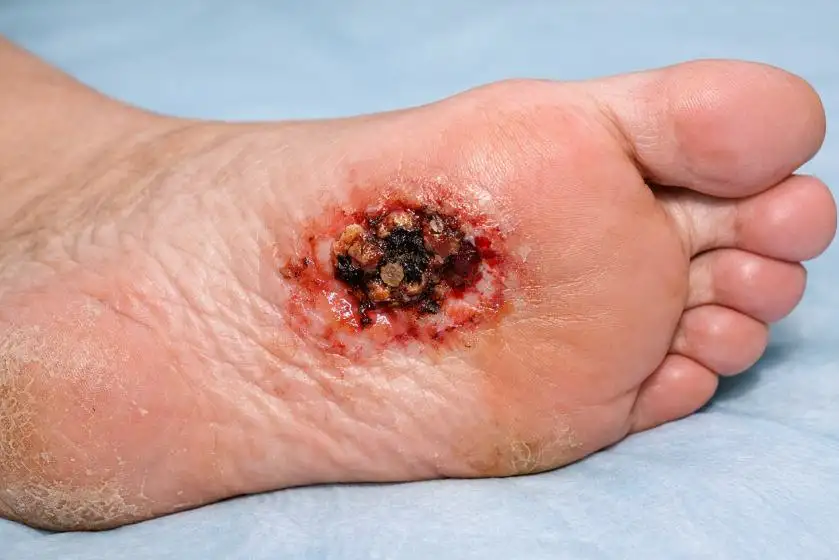
Skin cancer that looks like a pimple refers to malignant skin lesions that mimic acne-like bumps, whiteheads, or inflamed nodules. These lesions may persist for weeks, bleed easily, or fail to heal. Unlike regular pimples, cancerous growths often grow slowly and do not respond to standard acne treatments.
Early detection significantly improves outcomes. According to dermatology experts, routine skin self-examinations and professional screenings are essential, especially for individuals at higher risk.
Types
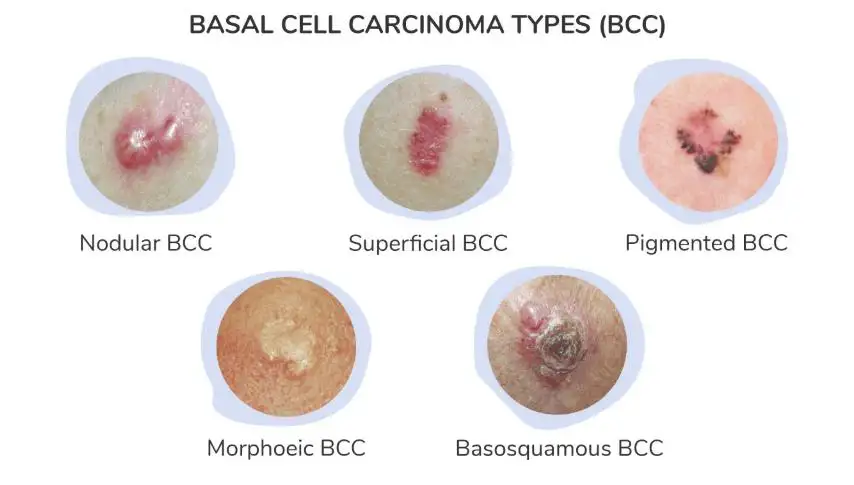
Different forms of skin cancer can appear as pimple-like bumps. The most common types include:
| Type of Skin Cancer | Appearance Similar to Pimples | Risk Level |
|---|---|---|
| Basal Cell Carcinoma (BCC) | Shiny bump, red nodule, or sore that won’t heal | Low to Moderate |
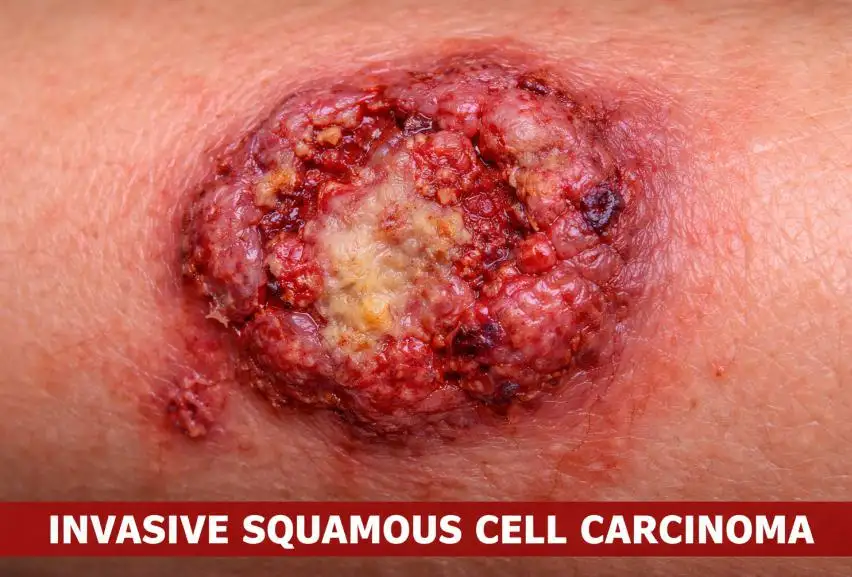
| Squamous Cell Carcinoma (SCC) | Scaly patch or crusty pimple-like growth | Moderate |
| Melanoma | Dark or irregular bump resembling inflamed acne | High |
| Merkel Cell Carcinoma | Firm red or purple nodule | High |
Basal cell carcinoma is the most common and least aggressive, while melanoma is the most dangerous due to its ability to spread rapidly.
Causes and Risk Factors
Several factors increase the risk of developing skin cancer that looks like a pimple:
-
Excessive ultraviolet (UV) exposure from sunlight or tanning beds
-
Fair skin, light hair, and light eyes
-
History of sunburns, especially during childhood
-
Family history of skin cancer
-
Weakened immune system
-
Exposure to harmful chemicals such as arsenic
Chronic sun exposure remains the leading cause, making sun protection a critical preventive measure.
Symptoms and Early Warning Signs
Recognizing early symptoms can help differentiate skin cancer from common acne. Watch for the following signs:
| Symptom | What It May Indicate |
|---|---|
| Persistent pimple-like bump | Possible skin cancer lesion |
| Bleeding or oozing | Abnormal skin growth |
| Painful or itchy spot | Inflammatory response |
| Rapid growth | Aggressive cancer type |
| Color changes | Potential melanoma |
If a “pimple” lasts more than three weeks or continues to change in appearance, consult a dermatologist promptly.
Diagnosis
Diagnosing skin cancer that looks like a pimple involves a thorough skin examination. Dermatologists may use dermoscopy to examine lesions in detail. If the lesion appears suspicious, a biopsy is performed to confirm the diagnosis.
Early-stage detection allows for less invasive treatments and higher success rates. Regular skin checks are recommended, particularly for individuals with risk factors.
Treatment Options
Treatment depends on the cancer type, size, location, and stage. Common treatment options include:
-
Surgical excision to remove the tumor
-
Mohs surgery for precise removal with minimal tissue loss
-
Radiation therapy for non-surgical candidates
-
Topical chemotherapy for superficial cancers
-
Immunotherapy for advanced melanoma
Your healthcare provider will develop a personalized treatment plan based on your condition.
Prevention and Lifestyle Recommendations
Preventing skin cancer that looks like a pimple starts with healthy lifestyle choices:
-
Use broad-spectrum sunscreen with SPF 30 or higher
-
Wear protective clothing and wide-brimmed hats
-
Avoid tanning beds
-
Perform monthly skin self-examinations
-
Maintain a balanced diet rich in antioxidants
Limiting sun exposure during peak hours and staying hydrated also support overall skin health.
Prognosis and Survival Rates
Prognosis varies by cancer type and stage. Early detection significantly improves survival outcomes.
| Cancer Type | 5-Year Survival Rate (Early Stage) |
|---|---|
| Basal Cell Carcinoma | Over 95% |
| Squamous Cell Carcinoma | Around 90% |
| Melanoma | Approximately 99% (localized stage) |
Advanced-stage cancers have lower survival rates, emphasizing the importance of early diagnosis.
Latest Research and Innovations
Recent advancements in skin cancer research include targeted therapies, immunotherapy drugs, and AI-powered diagnostic tools. Artificial intelligence is increasingly used to analyze skin images and detect abnormalities with high accuracy.
New topical treatments and personalized medicine approaches are also improving patient outcomes and reducing side effects.
Coping and Support for Patients
A skin cancer diagnosis can be emotionally challenging. Seeking support from healthcare professionals, counselors, and support groups can help patients manage stress and anxiety.
Family involvement, patient education, and lifestyle adjustments also play a crucial role in recovery and long-term wellness. Staying informed empowers patients to actively participate in their treatment journey.
Conclusion
Skin cancer that looks like a pimple is often overlooked, but awareness can make a life-saving difference. By recognizing early warning signs, understanding risk factors, and seeking prompt medical attention, you can improve outcomes and protect your skin health.
Regular checkups, preventive measures, and healthy lifestyle habits remain the most effective strategies for reducing skin cancer risk. Stay vigilant, prioritize sun protection, and never ignore persistent skin changes.
FAQ
1. What does skin cancer that looks like a pimple usually look like?
It often appears as a red bump, shiny nodule, or sore that does not heal and may bleed easily.
2. How can I tell the difference between acne and skin cancer?
Unlike acne, cancerous lesions persist for weeks, change in size or color, and do not respond to typical acne treatments.
3. Is skin cancer that looks like a pimple dangerous?
It can be, especially if it is melanoma or left untreated. Early detection greatly improves prognosis.
4. When should I see a doctor?
Consult a dermatologist if a pimple-like lesion lasts more than three weeks, bleeds, or continues to grow.
5. Can skin cancer be prevented?
While not entirely preventable, using sunscreen, avoiding excessive sun exposure, and performing regular skin checks significantly reduce risk.