Stage 2 Spinal Cancer: Symptoms, Diagnosis, Treatment Options, and Survival Outlook
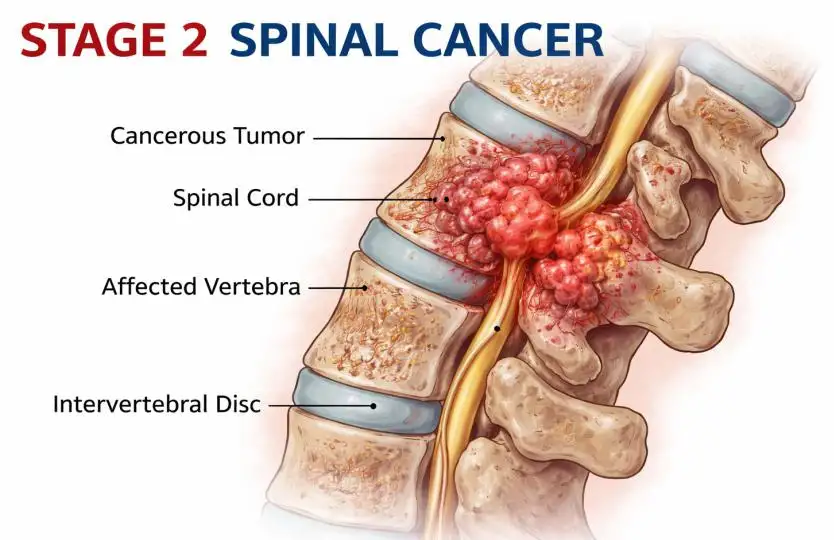
Stage 2 spinal cancer is a serious medical condition that occurs when a malignant tumor develops within the spine and begins to grow beyond its earliest stage but has not yet spread extensively to distant parts of the body. At this stage, the tumor is typically larger than in stage 1 and may start affecting nearby tissues, nerves, or bones within the spinal structure. Early recognition and proper treatment are essential to prevent the cancer from advancing to more severe stages.
Understanding stage 2 spinal cancer can help patients and their families make informed decisions about medical care and lifestyle adjustments. With modern medical technologies, earlier diagnosis and improved treatment strategies have significantly increased survival rates and quality of life for many patients. This article explores the key aspects of stage 2 spinal cancer, including its causes, symptoms, diagnosis, treatment, and the latest developments in research.
Overview
Spinal cancer refers to tumors that develop in or around the spinal cord, vertebrae, or surrounding tissues. Stage 2 spinal cancer generally indicates that the tumor has grown larger than in the earliest stage but is still relatively localized.
Doctors often determine the stage of spinal cancer based on tumor size, location, and whether it has begun spreading to nearby structures. At stage 2, the tumor may extend into nearby bone tissue or soft tissue but has not yet metastasized widely.
Early diagnosis at this stage is critical because treatment options remain more effective compared with advanced stages.
Key characteristics of Stage 2 spinal cancer
| Feature | Description |
|---|---|
| Tumor size | Larger than stage 1 but still localized |
| Spread | Limited to nearby tissues |
| Lymph nodes | Usually not extensively affected |
| Treatment success | Higher when treated early |
Types
Spinal cancer can be categorized based on where the tumor originates. Understanding the type of cancer helps determine the most effective treatment plan.
Primary Spinal Tumors
These tumors originate directly in the spine.
Common types include:
-
Osteosarcoma – cancer that forms in bone cells
-
Chondrosarcoma – tumor that develops in cartilage
-
Chordoma – rare cancer usually found in the spine or skull base
Secondary (Metastatic) Spinal Tumors
These cancers begin in other parts of the body and spread to the spine. Common primary sources include:
-
Breast cancer
-
Lung cancer
-
Prostate cancer
-
Kidney cancer
In many cases, metastatic tumors are more common than primary spinal cancers.
Causes and Risk Factors
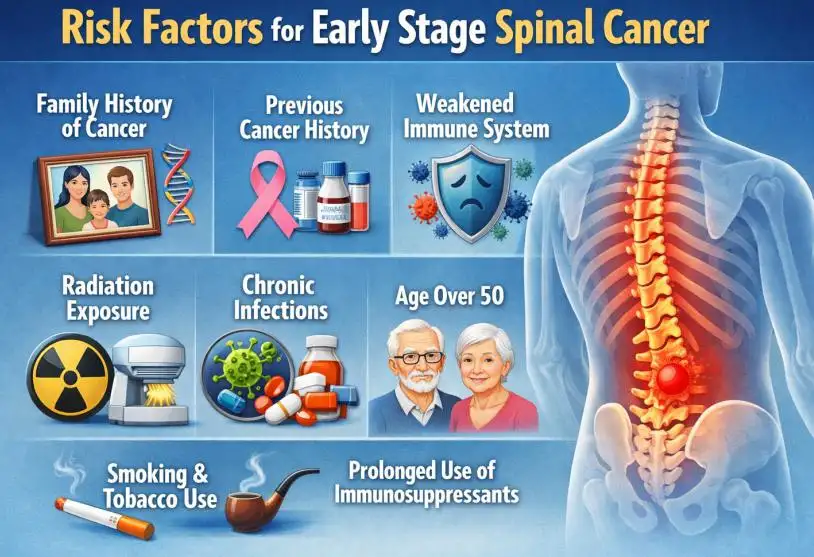
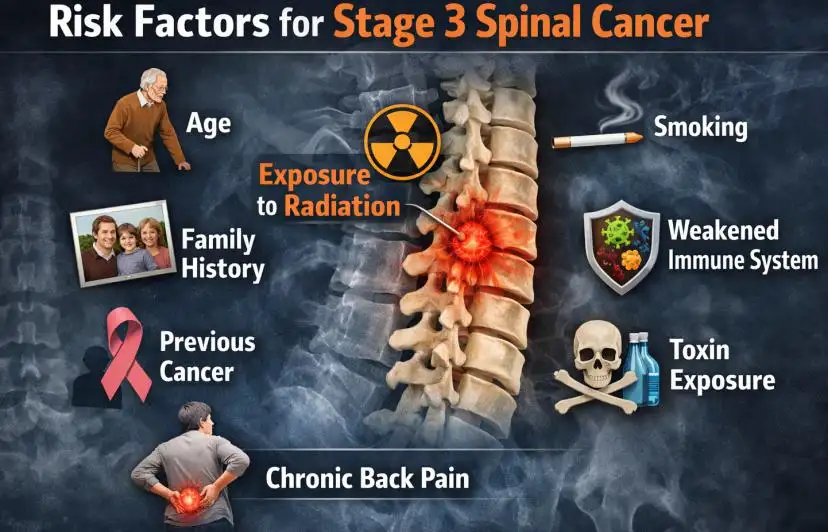
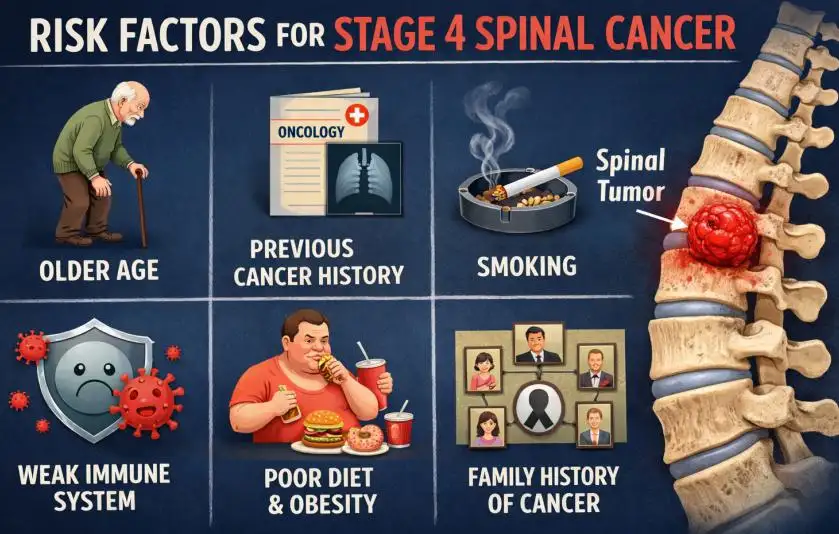
The exact cause of stage 2 spinal cancer is not always known, but several factors can increase the risk.
Major risk factors include
| Risk Factor | Explanation |
|---|---|
| Genetic mutations | Changes in DNA may trigger abnormal cell growth |
| Previous cancer | Cancers from other organs may spread to the spine |
| Radiation exposure | High levels of radiation increase cancer risk |
| Weakened immune system | Reduced immune defense may allow tumor growth |
| Family history | Certain hereditary conditions increase susceptibility |
Conditions such as neurofibromatosis or inherited cancer syndromes can also raise the likelihood of developing spinal tumors.
Symptoms and Early Warning Signs
Symptoms of stage 2 spinal cancer often develop gradually and may initially resemble common back problems. However, persistent or worsening symptoms should always be evaluated by a healthcare professional.
Common symptoms include:
-
Persistent back pain that worsens over time
-
Pain that spreads to arms or legs
-
Weakness or numbness in limbs
-
Difficulty walking or maintaining balance
-
Loss of bladder or bowel control in severe cases
-
Unexplained weight loss or fatigue
Because the spinal cord controls many body functions, tumor growth can interfere with nerve signals, leading to neurological symptoms.
Diagnosis
Accurate diagnosis is crucial for determining the stage and appropriate treatment strategy.
Doctors typically use several tests to confirm stage 2 spinal cancer.
Common diagnostic methods
| Diagnostic Test | Purpose |
|---|---|
| MRI scan | Provides detailed images of the spinal cord and tumors |
| CT scan | Helps visualize bone structures |
| Biopsy | Confirms whether the tumor is cancerous |
| PET scan | Detects possible cancer spread |
| Neurological exam | Evaluates nerve function |
Combining these tests allows physicians to determine tumor size, location, and stage.
Treatment Options
Treatment for stage 2 spinal cancer often involves a combination of therapies tailored to the patient’s condition.
Surgery
Surgical removal of the tumor is often the primary treatment when possible. The goal is to remove as much cancer as possible while preserving spinal stability and nerve function.
Radiation Therapy
Radiation therapy uses high-energy beams to destroy cancer cells and shrink tumors. It may be used after surgery or as a main treatment when surgery is not feasible.
Chemotherapy
Chemotherapy uses drugs to destroy cancer cells throughout the body. It is commonly used for certain tumor types or when cancer spreads.
Targeted Therapy
Newer treatments target specific cancer cell mutations while minimizing damage to healthy cells.
Common treatment strategies
| Treatment | Purpose |
|---|---|
| Surgery | Remove tumor and relieve pressure on spinal cord |
| Radiation therapy | Destroy remaining cancer cells |
| Chemotherapy | Kill cancer cells systemically |
| Targeted therapy | Attack specific tumor characteristics |
Treatment plans often involve a multidisciplinary team including oncologists, neurosurgeons, and rehabilitation specialists.
Prevention and Lifestyle Recommendations
While it may not always be possible to prevent spinal cancer, certain lifestyle habits may reduce overall cancer risk and support recovery.
Recommended strategies include:
-
Maintaining a healthy diet rich in fruits and vegetables
-
Exercising regularly to support bone health
-
Avoiding tobacco and excessive alcohol consumption
-
Attending regular medical checkups
-
Monitoring persistent back pain or neurological symptoms
Healthy lifestyle choices can also improve recovery during and after treatment.
Prognosis and Survival Rates
The prognosis for stage 2 spinal cancer varies depending on several factors, including tumor type, patient age, overall health, and response to treatment.
Early-stage spinal cancers generally have better outcomes than advanced stages.
Factors affecting survival
| Factor | Impact |
|---|---|
| Tumor type | Some cancers respond better to treatment |
| Early diagnosis | Improves treatment success |
| Treatment approach | Combined therapies increase survival |
| Overall health | Stronger health improves recovery |
With timely treatment, many patients can achieve good disease control and maintain quality of life.
Latest Research and Innovations
Medical research continues to improve the treatment of spinal cancer. New technologies and therapies are helping doctors treat tumors more precisely.
Recent innovations include:
-
Advanced robotic spinal surgery for greater precision
-
Proton beam therapy, which targets tumors while sparing healthy tissue
-
Immunotherapy, which boosts the body’s immune system to fight cancer
-
AI-assisted imaging, improving early detection and surgical planning
These advancements offer promising outcomes for patients diagnosed with stage 2 spinal cancer.
Coping and Support for Patients
A cancer diagnosis can be emotionally challenging. Patients with stage 2 spinal cancer often benefit from a strong support system.
Helpful coping strategies include:
-
Joining cancer support groups
-
Seeking counseling or psychological support
-
Maintaining communication with healthcare providers
-
Practicing stress-management techniques such as meditation or gentle exercise
Family members and caregivers also play an essential role in providing emotional and practical support during treatment.
Conclusion
Stage 2 spinal cancer represents an important point in the progression of spinal tumors where early detection and timely treatment can significantly improve outcomes. Understanding the symptoms, diagnostic methods, and treatment options helps patients take proactive steps toward effective management.
With advancements in medical research, surgical techniques, and targeted therapies, many individuals diagnosed with stage 2 spinal cancer now have better chances of successful treatment and improved quality of life. Staying informed and seeking early medical attention remain the most important strategies in combating this disease.
FAQ
1. What does stage 2 spinal cancer mean?
Stage 2 spinal cancer indicates that a tumor has grown beyond the earliest stage but remains relatively localized and has not spread widely to distant organs.
2. Is stage 2 spinal cancer curable?
In many cases, stage 2 spinal cancer can be treated successfully, especially when detected early and managed with surgery, radiation, or other therapies.
3. What is the most common symptom of spinal cancer?
Persistent back pain that worsens over time is one of the most common early symptoms.
4. How is stage 2 spinal cancer treated?
Treatment usually involves surgery, radiation therapy, chemotherapy, or targeted therapy depending on tumor type and patient condition.
5. Can spinal cancer spread to other organs?
Yes. If untreated, spinal cancer can eventually metastasize to other parts of the body, which is why early diagnosis and treatment are critical.