Stage 2 Throat Cancer Life Expectancy: Survival Rates, Treatment Options, and What Patients Should Know
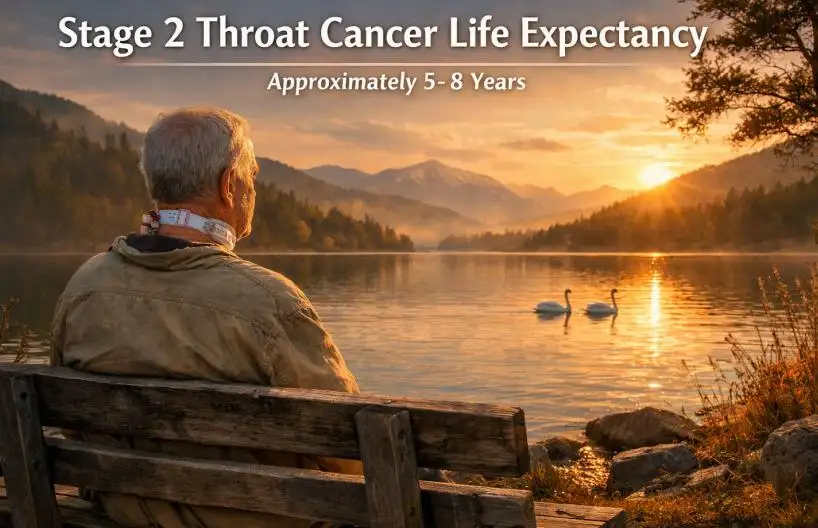
Understanding stage 2 throat cancer life expectancy is an important step for patients and families who are navigating a new diagnosis. While hearing the word “cancer” can be overwhelming, stage 2 throat cancer is considered an early-to-intermediate stage, meaning the disease is often still localized and highly treatable. With modern medical advances, many patients achieve long-term survival and maintain a good quality of life.
In this article, we will explore what stage 2 throat cancer means, typical survival rates, available treatment options, and lifestyle changes that can support recovery. By the end, you will have a clearer picture of prognosis, current research developments, and practical ways to cope emotionally and physically during treatment.
Overview of Stage 2 Throat Cancer
Throat cancer is a broad term that includes cancers of the pharynx (throat), larynx (voice box), and tonsils. In stage 2, the tumor is usually larger than in stage 1 but has not spread to distant organs or major lymph nodes.
Key Characteristics of Stage 2 Throat Cancer
| Feature | Description |
|---|---|
| Tumor Size | Larger than early-stage tumors, typically over 2 cm |
| Lymph Node Involvement | Usually absent or minimal |
| Metastasis | No distant spread |
| Treatment Goal | Curative intent |
Because the cancer is still localized, treatment outcomes are generally favorable, which positively impacts stage 2 throat cancer life expectancy.
Types of Throat Cancer
Throat cancer is categorized based on the affected area. Each type may have slightly different outcomes and treatment approaches.
Common Types Include
-
Oropharyngeal Cancer: Affects the tonsils and back of the throat
-
Laryngeal Cancer: Involves the voice box
-
Hypopharyngeal Cancer: Occurs in the lower part of the throat
-
Nasopharyngeal Cancer: Affects the upper throat behind the nose
Among these, HPV-related oropharyngeal cancer often has a better prognosis, which can significantly improve life expectancy.
Causes and Risk Factors
Several factors increase the risk of developing throat cancer. Understanding these can help with prevention and early detection.
Major Risk Factors
| Risk Factor | Impact |
|---|---|
| Smoking and Tobacco Use | Strongly linked to most throat cancers |
| Alcohol Consumption | Increases risk when combined with smoking |
| HPV Infection | Major cause of oropharyngeal cancer |
| Poor Nutrition | Weakens immune defense |
| Occupational Exposure | Chemicals and dust may increase risk |
Reducing these risk factors can improve overall health outcomes and may support better treatment responses.
Symptoms and Early Warning Signs
Early symptoms of throat cancer can be subtle and are sometimes mistaken for common infections. Paying attention to persistent symptoms is crucial.
Common Symptoms
-
Persistent sore throat
-
Difficulty swallowing
-
Hoarseness or voice changes
-
Lump in the neck
-
Unexplained weight loss
-
Ear pain
If these symptoms last more than two weeks, medical evaluation is recommended to enable early diagnosis and better survival outcomes.
Diagnosis
Accurate diagnosis is essential for determining the stage and planning effective treatment.
Diagnostic Methods
| Test | Purpose |
|---|---|
| Physical Examination | Detects visible or palpable abnormalities |
| Endoscopy | Allows direct visualization of the tumor |
| Biopsy | Confirms cancer cells |
| CT or MRI Scan | Determines tumor size and spread |
| PET Scan | Checks for metastasis |
Early and precise staging plays a key role in predicting stage 2 throat cancer life expectancy.
Treatment Options
Treatment for stage 2 throat cancer is often aggressive with curative intent. The approach depends on tumor location, patient health, and cancer type.
Common Treatment Approaches
-
Radiation Therapy: Frequently used as a primary treatment
-
Surgery: Removes the tumor while preserving function
-
Chemotherapy: Sometimes combined with radiation
-
Targeted Therapy: Focuses on specific cancer cell pathways
Comparison of Treatment Options
| Treatment | Purpose | Recovery Impact |
|---|---|---|
| Radiation Therapy | Shrinks or eliminates tumors | Moderate fatigue |
| Surgery | Removes cancer tissue | Temporary speech or swallowing issues |
| Chemotherapy | Enhances treatment effectiveness | Systemic side effects |
| Targeted Therapy | Precision treatment | Fewer side effects |
Combining therapies often leads to better outcomes and improved long-term survival.
Prevention and Lifestyle Recommendations
Although not all cases can be prevented, lifestyle changes significantly reduce risk and support recovery.
Practical Prevention Tips
-
Quit smoking and avoid secondhand smoke
-
Limit alcohol intake
-
Maintain a balanced diet rich in fruits and vegetables
-
Practice safe sexual behavior to reduce HPV risk
-
Get regular medical checkups
These habits also improve overall immunity and treatment tolerance.
Prognosis and Survival Rates
The stage 2 throat cancer life expectancy varies based on tumor location, HPV status, treatment response, and overall health. However, survival rates are generally encouraging.
Average 5-Year Survival Rates by Type
| Cancer Type | 5-Year Survival Rate |
|---|---|
| Oropharyngeal Cancer | 70%–85% |
| Laryngeal Cancer | 65%–75% |
| Hypopharyngeal Cancer | 55%–65% |
| HPV-Positive Throat Cancer | Up to 90% |
These figures show that many patients with stage 2 throat cancer can expect long-term survival, especially with early and comprehensive treatment.
Latest Research and Innovations
Medical research continues to improve outcomes for throat cancer patients.
Emerging Innovations
-
Immunotherapy: Helps the immune system target cancer cells
-
Proton Therapy: Reduces radiation damage to healthy tissue
-
Personalized Medicine: Tailors treatment based on genetic profiles
-
AI-Based Imaging: Improves early detection accuracy
These advances aim to enhance survival rates and reduce treatment side effects.
Coping and Support for Patients
A cancer diagnosis affects both physical and emotional well-being. Support systems play a critical role in recovery.
Helpful Support Strategies
-
Join cancer support groups
-
Seek counseling or mental health services
-
Involve family members in treatment planning
-
Practice stress management techniques such as meditation
-
Maintain open communication with healthcare providers
Strong emotional support can improve treatment adherence and overall quality of life.
Conclusion
Understanding stage 2 throat cancer life expectancy provides reassurance and clarity for patients and families. With early detection, modern treatment options, and healthy lifestyle choices, many individuals achieve long-term survival and return to normal daily activities. Continuous medical advancements further improve outcomes, offering hope and better quality of life for those affected.
If you or a loved one has been diagnosed, staying informed, proactive, and supported can make a meaningful difference throughout the treatment journey.
FAQ
1. What is the average life expectancy for stage 2 throat cancer?
Many patients live well beyond five years after diagnosis, especially when treatment begins early and the cancer is HPV-positive.
2. Is stage 2 throat cancer curable?
Yes, stage 2 throat cancer is often considered highly treatable, with curative treatment goals in most cases.
3. Does HPV status affect survival rates?
Yes, HPV-positive throat cancers generally respond better to treatment and have higher survival rates.
4. Can lifestyle changes improve survival?
Healthy habits such as quitting smoking, eating well, and managing stress can support treatment outcomes and overall health.
5. How long does treatment usually last?
Treatment duration varies but typically ranges from several weeks to a few months, depending on the chosen therapy.