Stage 3 Spinal Cancer: Symptoms, Diagnosis, Treatment Options, and Survival Outlook
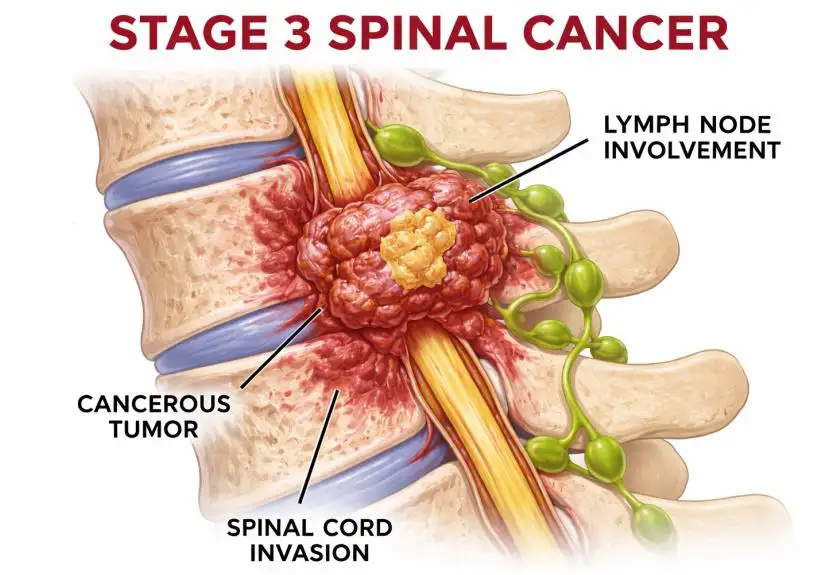
Stage 3 spinal cancer is an advanced stage of cancer affecting the spine in which the tumor has grown significantly and may have spread to nearby tissues or lymph nodes. At this stage, the disease can cause serious symptoms that impact mobility, nerve function, and overall quality of life. Understanding the characteristics of stage 3 spinal cancer is essential for early detection, effective treatment planning, and improved patient outcomes.
Although receiving a diagnosis of stage 3 spinal cancer can feel overwhelming, modern medicine continues to offer new treatment approaches and supportive care strategies. Advances in surgery, radiation therapy, targeted treatments, and immunotherapy have significantly improved survival rates and quality of life for many patients. This article explains everything you need to know about stage 3 spinal cancer, including its types, causes, symptoms, diagnosis, treatments, and long-term outlook.
Overview
Stage 3 spinal cancer refers to a stage where cancer in the spine has progressed beyond its initial site but has not yet spread widely to distant organs. Tumors may invade surrounding bone structures, nerves, or nearby tissues and can involve regional lymph nodes.
The spinal column plays a critical role in protecting the spinal cord and supporting body movement. When cancer develops or spreads to this area, it can interfere with nerve signals, causing pain, weakness, and neurological problems.
Doctors classify spinal cancer using staging systems that evaluate tumor size, location, lymph node involvement, and spread to other parts of the body.
General Characteristics of Stage 3 Spinal Cancer
| Feature | Description |
|---|---|
| Tumor Growth | Large tumor affecting spinal structures |
| Spread | May involve nearby tissues or lymph nodes |
| Symptoms | Severe pain, nerve compression, weakness |
| Treatment | Usually requires multiple therapies |
| Prognosis | Varies depending on cancer type and patient health |
Types of Spinal Cancer
Spinal cancer is generally divided into primary tumors and metastatic tumors.
Primary Spinal Tumors
Primary tumors originate in the spine itself.
Common types include:
| Type | Description |
|---|---|
| Chordoma | Rare tumor arising from spinal bone remnants |
| Osteosarcoma | Aggressive bone cancer |
| Chondrosarcoma | Tumor originating from cartilage cells |
| Ewing Sarcoma | Rare cancer often affecting younger individuals |
Metastatic Spinal Cancer
Most spinal cancers are metastatic, meaning they spread from cancers in other organs.
Common sources include:
| Original Cancer | Likelihood of Spinal Spread |
|---|---|
| Breast Cancer | Very common |
| Lung Cancer | Common |
| Prostate Cancer | Frequently spreads to bone |
| Kidney Cancer | Moderate risk |
| Thyroid Cancer | Possible metastasis |
Causes and Risk Factors
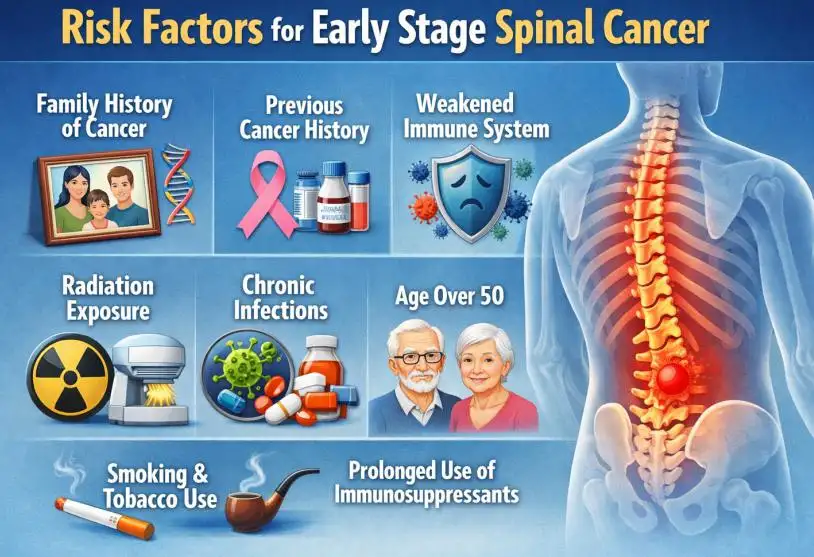
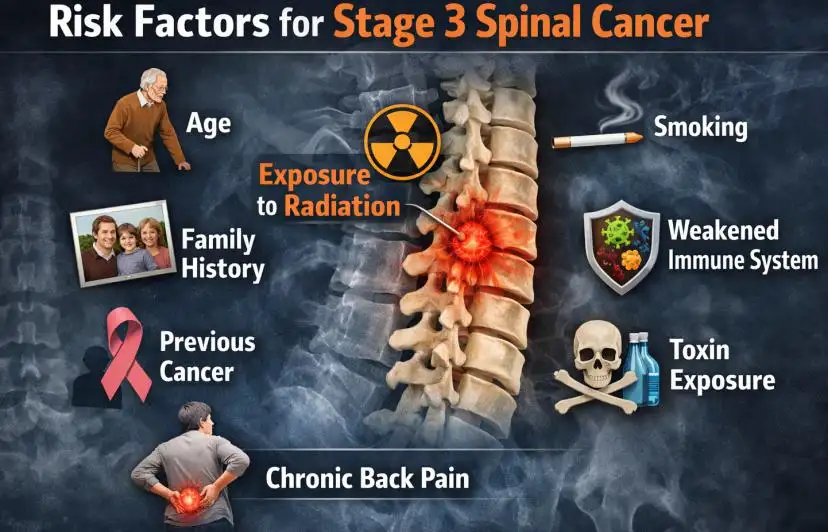
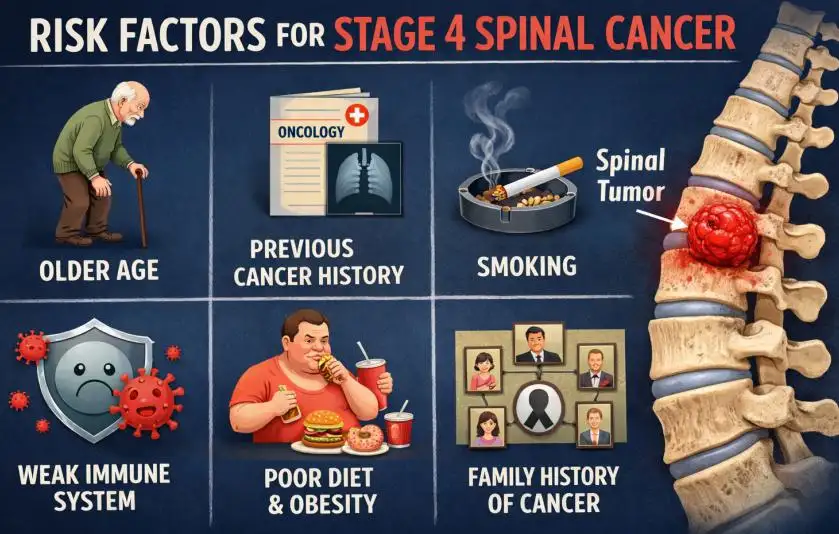
The exact cause of stage 3 spinal cancer depends on the type of cancer involved. However, several risk factors may increase the likelihood of developing spinal tumors.
Key Risk Factors
| Risk Factor | Explanation |
|---|---|
| Genetic mutations | Changes in DNA can trigger uncontrolled cell growth |
| Previous cancers | Certain cancers frequently metastasize to the spine |
| Radiation exposure | High radiation exposure increases cancer risk |
| Family history | Some inherited conditions increase susceptibility |
| Age | Many spinal cancers occur in middle-aged or older adults |
Symptoms and Early Warning Signs
Symptoms of stage 3 spinal cancer often develop gradually but become more severe as the tumor grows and presses on the spinal cord or nerves.
Common Symptoms
| Symptom | Description |
|---|---|
| Persistent back pain | Often worse at night or during rest |
| Numbness or tingling | Due to nerve compression |
| Muscle weakness | Particularly in arms or legs |
| Difficulty walking | Loss of coordination |
| Loss of bladder or bowel control | Indicates spinal cord involvement |
| Unexplained weight loss | Possible systemic cancer symptom |
Severe neurological symptoms require immediate medical attention because spinal cord compression can lead to permanent nerve damage.
Diagnosis
Diagnosing stage 3 spinal cancer requires a combination of imaging tests, medical evaluation, and laboratory analysis.
Diagnostic Methods
| Test | Purpose |
|---|---|
| MRI Scan | Provides detailed images of spinal cord and tumors |
| CT Scan | Evaluates bone damage and tumor structure |
| PET Scan | Detects cancer spread throughout the body |
| Biopsy | Confirms cancer type through tissue analysis |
| Blood Tests | Helps identify tumor markers or systemic effects |
Early and accurate diagnosis helps determine the best treatment plan.
Treatment Options
Treatment for stage 3 spinal cancer often involves a combination of therapies aimed at controlling tumor growth, relieving symptoms, and protecting spinal cord function.
Common Treatment Approaches
| Treatment | Purpose |
|---|---|
| Surgery | Removes tumor or relieves spinal cord pressure |
| Radiation Therapy | Destroys cancer cells and reduces tumor size |
| Chemotherapy | Targets cancer cells throughout the body |
| Targeted Therapy | Attacks specific molecular changes in cancer |
| Immunotherapy | Helps the immune system fight cancer |
| Pain Management | Improves quality of life |
Doctors tailor treatment plans based on tumor type, location, patient health, and previous treatments.
Prevention and Lifestyle Recommendations
Although not all spinal cancers can be prevented, certain lifestyle choices may help reduce overall cancer risk and improve health during treatment.
Preventive Strategies
| Recommendation | Benefit |
|---|---|
| Maintain a healthy diet | Supports immune function |
| Exercise regularly | Improves strength and recovery |
| Avoid tobacco | Reduces cancer risk |
| Limit alcohol consumption | Protects overall health |
| Regular medical checkups | Enables early detection |
Patients undergoing treatment should also follow personalized guidance from their healthcare providers.
Prognosis and Survival Rates
The prognosis for stage 3 spinal cancer varies widely depending on several factors.
Key Prognostic Factors
| Factor | Impact |
|---|---|
| Cancer type | Some cancers respond better to treatment |
| Tumor location | Affects surgical accessibility |
| Patient age and health | Influences recovery ability |
| Treatment response | Determines long-term outcomes |
| Spread to lymph nodes | May affect survival chances |
With modern treatments, many patients can manage symptoms effectively and achieve longer survival times compared with previous decades.
Latest Research and Innovations
Medical research continues to improve the treatment and understanding of spinal cancer.
Recent advancements include:
| Innovation | Description |
|---|---|
| Precision medicine | Treatments tailored to genetic tumor profiles |
| Advanced radiation therapy | More precise targeting with fewer side effects |
| Minimally invasive spine surgery | Faster recovery times |
| Immunotherapy trials | Promising results for certain cancers |
| AI-assisted imaging | Improved tumor detection and diagnosis |
Clinical trials also provide access to cutting-edge therapies for eligible patients.
Coping and Support for Patients
Living with stage 3 spinal cancer can affect both physical and emotional well-being. Support systems play a crucial role in helping patients manage treatment and maintain quality of life.
Helpful Support Strategies
| Support Type | Benefits |
|---|---|
| Counseling | Helps manage stress and anxiety |
| Physical therapy | Maintains mobility and strength |
| Support groups | Provides emotional encouragement |
| Palliative care | Focuses on comfort and symptom relief |
| Family involvement | Strengthens emotional resilience |
Patients should never hesitate to seek help from healthcare professionals, counselors, or support organizations.
Conclusion
Stage 3 spinal cancer represents a serious but treatable stage of spinal cancer that requires prompt medical attention and comprehensive care. Advances in diagnostic tools, surgical techniques, and targeted therapies have significantly improved treatment options and survival outcomes for many patients.
By understanding the symptoms, risk factors, and available treatments, patients and families can make informed decisions about care. Early diagnosis, multidisciplinary treatment, and strong emotional support remain key factors in improving quality of life and long-term outcomes for individuals facing stage 3 spinal cancer.
FAQ
1. What does stage 3 spinal cancer mean?
Stage 3 spinal cancer indicates that the tumor has grown extensively within the spine and may have spread to nearby tissues or lymph nodes but not to distant organs.
2. Is stage 3 spinal cancer curable?
In some cases, especially when the tumor can be surgically removed and responds well to therapy, long-term control or remission may be possible.
3. What is the life expectancy for stage 3 spinal cancer?
Life expectancy varies depending on the cancer type, treatment response, and overall patient health. Some patients live many years with proper treatment and care.
4. What is the most common symptom of spinal cancer?
Persistent back pain that worsens at night or does not improve with rest is one of the most common early symptoms.
5. Can spinal cancer spread to other parts of the body?
Yes, if untreated or aggressive, spinal cancer can spread to other bones or organs through the bloodstream or lymphatic system.