Stage 4 Bone Cancer How Long to Live? Survival Rates, Treatment Options, and Prognosis Explained

When someone is diagnosed with advanced cancer, one of the most common and emotional questions is “stage 4 bone cancer how long to live?” This question reflects not only concern about life expectancy but also the desire to understand treatment options, quality of life, and what the future may hold. While stage 4 bone cancer is considered advanced and serious, medical progress has significantly improved survival outcomes and symptom management in recent years.
It is important to remember that survival is not the same for every patient. Factors such as age, overall health, cancer type, response to treatment, and the presence of metastasis all influence prognosis. This article provides a clear, comprehensive, and compassionate overview to help you better understand stage 4 bone cancer, survival expectations, and available care options.
Overview
Stage 4 bone cancer refers to cancer that has spread beyond the original bone to distant organs such as the lungs, liver, brain, or other bones. At this stage, the disease is classified as metastatic, meaning it is more complex to treat and manage.
Despite the seriousness of the diagnosis, treatment at stage 4 is not only about extending life but also about improving comfort, maintaining mobility, and enhancing quality of life. Many patients benefit from combination therapies that target both the primary tumor and secondary spread.
Types of Bone Cancer
Different types of bone cancer behave differently and have varying survival outcomes. Understanding the type is essential when discussing stage 4 bone cancer how long to live.
| Type of Bone Cancer | Description | Typical Behavior |
|---|---|---|
| Osteosarcoma | Most common in children and young adults | Aggressive but responds to chemotherapy |
| Chondrosarcoma | Develops in cartilage cells | Slower growth but resistant to chemo |
| Ewing Sarcoma | Common in adolescents | Highly aggressive but treatment-sensitive |
| Secondary Bone Cancer | Spread from other cancers (breast, lung, prostate) | Prognosis depends on primary cancer |
Causes and Risk Factors
Although the exact cause of bone cancer is not always known, several factors increase the risk:
Genetic mutations and inherited conditions such as Li-Fraumeni syndrome
Previous radiation therapy to bones
Rapid bone growth during adolescence
Paget’s disease of bone
History of other cancers that may spread to bones
Lifestyle factors do not directly cause bone cancer, but overall health can influence treatment response and recovery.
Symptoms and Early Warning Signs
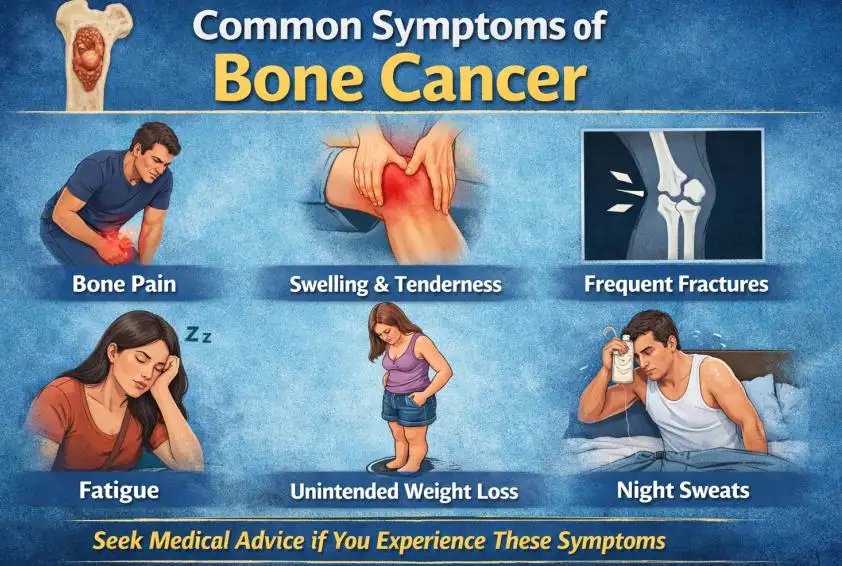
Stage 4 bone cancer often presents with more noticeable symptoms due to tumor size and metastasis. Common warning signs include:
Persistent bone pain that worsens at night
Swelling or lumps near affected bones
Frequent fractures or weakened bones
Fatigue and unexplained weight loss
Breathing difficulties if cancer spreads to the lungs
Numbness or weakness if nerves are affected
Early diagnosis improves treatment effectiveness, even in advanced stages.
Diagnosis
Accurate diagnosis is essential to determine the extent of cancer spread and the best treatment plan.
| Diagnostic Method | Purpose |
|---|---|
| X-ray and MRI | Detect bone damage and tumor size |
| CT Scan and PET Scan | Identify metastasis to organs |
| Bone Scan | Detect multiple bone lesions |
| Biopsy | Confirm cancer type and grade |
| Blood Tests | Monitor organ function and tumor markers |
These tests help doctors determine the exact stage and personalize treatment strategies.
Treatment Options
Treatment for stage 4 bone cancer focuses on controlling disease progression, relieving symptoms, and improving survival.
| Treatment Method | Role in Care |
|---|---|
| Chemotherapy | Shrinks tumors and slows spread |
| Radiation Therapy | Reduces pain and controls tumor growth |
| Surgery | Removes tumors or stabilizes bones |
| Targeted Therapy | Attacks cancer-specific pathways |
| Immunotherapy | Boosts immune response against cancer |
| Palliative Care | Improves comfort and quality of life |
Many patients receive a combination of treatments tailored to their specific condition.
Prevention and Lifestyle Recommendations
While bone cancer cannot always be prevented, healthy habits can improve treatment outcomes and overall well-being:
Maintain a balanced diet rich in protein and nutrients
Stay physically active within medical limits
Avoid smoking and excessive alcohol consumption
Follow treatment plans and attend regular checkups
Manage stress through relaxation techniques and counseling
A supportive lifestyle can help strengthen the body and mind during treatment.
Prognosis and Survival Rates
One of the most searched questions is stage 4 bone cancer how long to live. Survival rates vary depending on cancer type, location, response to therapy, and patient health.
| Bone Cancer Type | Approximate 5-Year Survival Rate (Stage 4) |
|---|---|
| Osteosarcoma | 20% – 30% |
| Ewing Sarcoma | 15% – 30% |
| Chondrosarcoma | 10% – 25% |
| Secondary Bone Cancer | Depends on primary cancer type |
These numbers are averages and do not predict individual outcomes. Some patients live significantly longer with modern treatments and personalized care.
Latest Research and Innovations
Medical research continues to improve outcomes for advanced bone cancer patients. Promising developments include:
Precision medicine using genetic tumor profiling
Advanced immunotherapy and vaccine-based treatments
AI-assisted imaging for early detection of metastasis
New drug combinations targeting resistant tumors
Minimally invasive surgical techniques
These innovations offer hope for longer survival and better quality of life.
Coping and Support for Patients
Living with stage 4 bone cancer can be emotionally challenging. Support systems play a crucial role in patient well-being.
Helpful coping strategies include:
Joining cancer support groups
Seeking counseling or mental health therapy
Communicating openly with healthcare teams
Leaning on family and friends for emotional support
Practicing mindfulness and stress management techniques
Emotional strength and social connection often improve treatment tolerance and outlook.
Conclusion
Understanding stage 4 bone cancer how long to live involves more than statistics. While the disease is advanced, modern medicine offers many options to manage symptoms, extend survival, and improve daily life. Every patient’s journey is unique, and outcomes depend on multiple personal and medical factors.
With early intervention, personalized treatment plans, and strong emotional support, many patients continue to find hope, comfort, and meaningful moments with loved ones. Staying informed and proactive is key to navigating this challenging diagnosis.
FAQ
1. What does stage 4 bone cancer mean?
Stage 4 bone cancer indicates that cancer has spread to distant organs or other bones, making it metastatic and more complex to treat.
2. Stage 4 bone cancer how long to live on average?
Life expectancy varies widely. Some patients live months, while others live several years depending on treatment response and overall health.
3. Can stage 4 bone cancer be cured?
A complete cure is rare, but long-term remission and disease control are possible with advanced treatment approaches.
4. Is treatment still beneficial at stage 4?
Yes. Treatment can slow disease progression, reduce pain, improve mobility, and enhance quality of life.
5. What improves survival chances?
Early detection of metastasis, personalized treatment plans, good physical health, emotional support, and access to advanced medical care can all improve outcomes.