Stage 4 Kidney Cancer Prognosis: Survival Rates, Treatment Options, and What to Expect

Stage 4 kidney cancer prognosis is a topic that naturally raises many questions and emotions for patients and their families. At this advanced stage, the cancer has spread beyond the kidney to distant organs, making the disease more complex to treat. Understanding what stage 4 kidney cancer means can help patients make informed decisions and feel more prepared for the journey ahead.
This article provides a comprehensive, clear, and compassionate explanation of stage 4 kidney cancer prognosis. You will learn about survival rates, treatment options, factors that influence outcomes, and how patients can maintain quality of life. While every case is unique, having accurate information is a powerful first step toward managing the condition with confidence.
Overview of Stage 4 Kidney Cancer
Stage 4 kidney cancer, also known as metastatic renal cell carcinoma, occurs when cancer cells spread from the kidney to distant parts of the body such as the lungs, bones, liver, or brain. At this stage, the disease is considered advanced and typically not curable, but it is often treatable.
The stage 4 kidney cancer prognosis varies widely depending on factors such as overall health, response to treatment, and the extent of cancer spread. Advances in modern therapies have significantly improved outcomes and extended survival for many patients.
Types of Stage 4 Kidney Cancer
Renal Cell Carcinoma (RCC)
Renal cell carcinoma is the most common type of kidney cancer and accounts for the majority of stage 4 cases. Several subtypes of RCC respond differently to treatment, which can affect prognosis.
Transitional Cell Carcinoma
This type begins in the renal pelvis and behaves differently from RCC. While less common, its prognosis depends on how far the cancer has spread and how well it responds to systemic therapies.
Rare and Aggressive Variants
Collecting duct carcinoma and medullary carcinoma are rare but aggressive forms. These often have a poorer stage 4 kidney cancer prognosis due to rapid progression and limited treatment options.
Causes and Risk Factors
Genetic and Biological Factors
Certain inherited conditions and genetic mutations can increase the risk of advanced kidney cancer and influence how aggressive the disease becomes.
Lifestyle-Related Risks
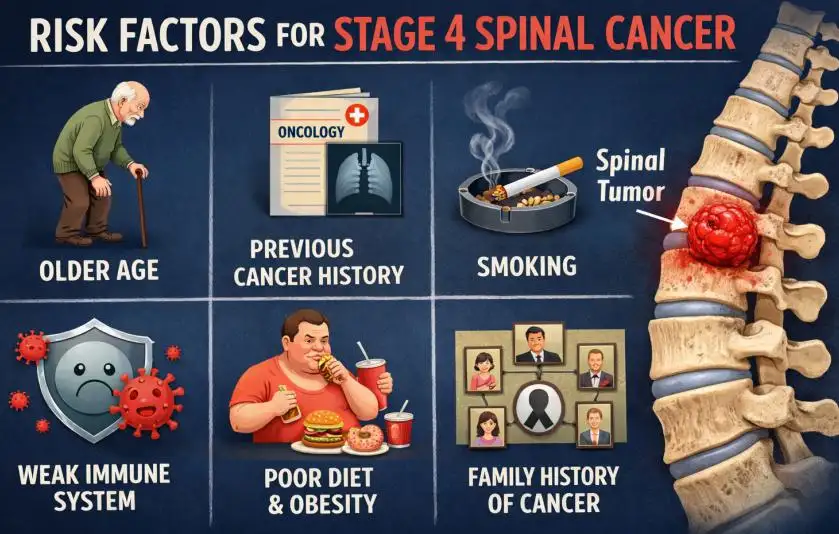
Smoking, obesity, and long-term high blood pressure are major risk factors that increase the likelihood of developing kidney cancer and worsening its prognosis.
Environmental and Medical Factors
Exposure to toxic substances, chronic kidney disease, and long-term dialysis are also associated with higher risks of advanced-stage kidney cancer.
Symptoms and Early Warning Signs
Common Symptoms in Advanced Stages
Patients may experience persistent fatigue, unexplained weight loss, blood in the urine, and ongoing pain in the lower back or side.
Symptoms of Metastasis
When cancer spreads, symptoms may include shortness of breath (lungs), bone pain or fractures, headaches, or neurological changes if the brain is affected.
When to Seek Medical Attention
Any persistent or worsening symptoms should be evaluated promptly, as early intervention can improve symptom control and overall outcomes.
Diagnosis of Stage 4 Kidney Cancer
Imaging Tests
CT scans, MRI, PET scans, and bone scans help determine the extent of cancer spread and are essential for staging.
Biopsy and Pathology
A biopsy confirms the cancer type and provides information that guides treatment decisions.
Staging and Risk Assessment
Doctors use staging systems and risk models to estimate stage 4 kidney cancer prognosis and personalize treatment plans.
Treatment Options for Stage 4 Kidney Cancer
| Treatment Type | Purpose | Notes |
|---|---|---|
| Targeted Therapy | Blocks cancer growth pathways | Often first-line treatment |
| Immunotherapy | Boosts immune response | Can significantly improve survival |
| Surgery | Removes primary tumor | Selected cases only |
| Radiation Therapy | Symptom relief | Common for bone or brain metastases |
Systemic Therapies
Targeted therapies and immunotherapy have transformed the stage 4 kidney cancer prognosis by slowing disease progression and improving survival.
Surgery and Local Treatments
In certain patients, removing the primary tumor or treating isolated metastases can improve symptoms and outcomes.
Palliative Care
Palliative care focuses on symptom management and quality of life and should be integrated early alongside active treatment.
Prevention and Lifestyle Recommendations
Healthy Lifestyle Choices
While stage 4 disease cannot be prevented at diagnosis, quitting smoking, maintaining a healthy weight, and staying active can support treatment effectiveness.
Nutrition and Physical Activity
A balanced diet and gentle exercise help maintain strength, reduce fatigue, and improve overall well-being.
Regular Medical Follow-Up
Ongoing monitoring allows doctors to adjust treatments promptly and manage side effects effectively.
Prognosis and Survival Rates
Stage 4 kidney cancer prognosis is often discussed in terms of survival rates, but these numbers are averages and cannot predict individual outcomes.
| Prognostic Factor | Impact on Survival |
|---|---|
| Response to Immunotherapy | Significantly improves outlook |
| Overall Health | Better health leads to longer survival |
| Number of Metastatic Sites | Fewer sites = better prognosis |
The five-year survival rate for stage 4 kidney cancer is lower than earlier stages, but many patients now live longer than expected due to modern treatments. Some individuals achieve long-term disease control.
Latest Research and Innovations
Combination Immunotherapy
New drug combinations are showing improved survival and better disease control in advanced kidney cancer.
Personalized Medicine
Biomarker testing helps tailor treatments to individual patients, improving effectiveness and reducing unnecessary side effects.
Clinical Trials
Ongoing trials offer access to cutting-edge therapies that may further improve stage 4 kidney cancer prognosis in the future.
Coping and Support for Patients
Emotional and Psychological Support
A stage 4 diagnosis can be overwhelming. Counseling, support groups, and open communication with loved ones are essential.
Family and Caregiver Involvement
Strong support systems help patients navigate treatment decisions and daily challenges more effectively.
Living With Advanced Kidney Cancer
Focusing on symptom control, meaningful activities, and personal goals can greatly enhance quality of life.
Conclusion
Stage 4 kidney cancer prognosis is no longer as limited as it once was. With advances in immunotherapy, targeted treatments, and supportive care, many patients are living longer and better lives. While the diagnosis is serious, understanding the disease, exploring treatment options, and building a strong support network can make a meaningful difference. Every patient’s journey is unique, and hope continues to grow with ongoing research.
Frequently Asked Questions (FAQ)
1. Is stage 4 kidney cancer curable?
Stage 4 kidney cancer is generally not considered curable, but it is often treatable, and long-term control is possible for some patients.
2. What is the average life expectancy for stage 4 kidney cancer?
Life expectancy varies widely. Some patients respond very well to treatment and live for many years beyond initial expectations.
3. Does immunotherapy improve stage 4 kidney cancer prognosis?
Yes, immunotherapy has significantly improved survival rates and is now a cornerstone of treatment.
4. Can lifestyle changes really help at stage 4?
While lifestyle changes cannot cure the disease, they can improve strength, treatment tolerance, and overall quality of life.
5. Should patients consider clinical trials?
Clinical trials are often recommended and can provide access to promising new treatments that may improve outcomes.