Stage 4 Spinal Cancer Life Expectancy: Prognosis, Treatment Options, and What Patients Should Know

Stage 4 spinal cancer is a life-altering diagnosis that affects not only the patient but also their loved ones. At this advanced stage, cancer has typically spread beyond its original site to the spine or from the spine to other organs, making treatment more complex. Many people search for accurate information about stage 4 spinal cancer life expectancy to better understand what lies ahead and to make informed decisions about care and lifestyle.
While statistics can provide a general picture, every patient’s journey is unique. Advances in modern medicine, targeted therapies, and supportive care have significantly improved quality of life and survival outcomes for many individuals. This article provides a comprehensive overview of stage 4 spinal cancer, including causes, symptoms, diagnosis, treatment options, prognosis, and practical guidance for coping and support.
Overview of Stage 4 Spinal Cancer
Stage 4 spinal cancer refers to advanced cancer that has metastasized (spread) to the spine or originated in the spine and spread to other parts of the body. The spine is a common site for metastasis because of its rich blood supply and proximity to major organs.
At this stage, treatment goals often focus on controlling tumor growth, reducing pain, preserving neurological function, and improving overall quality of life. Understanding stage 4 spinal cancer life expectancy involves evaluating multiple factors such as cancer type, patient age, general health, and response to treatment.
Types of Spinal Cancer
Spinal cancer can be classified into primary and secondary (metastatic) types.
Primary Spinal Cancer
These originate in the spine or spinal cord and are relatively rare.
| Type | Description |
|---|---|
| Chordoma | Slow-growing tumor often affecting the base of the spine |
| Osteosarcoma | Bone cancer that can affect vertebrae |
| Ewing Sarcoma | Aggressive cancer commonly seen in younger patients |
| Multiple Myeloma | Cancer of plasma cells affecting spinal bones |
Secondary (Metastatic) Spinal Cancer
These are more common and originate in other organs before spreading to the spine.
Common sources include:
-
Lung cancer
-
Breast cancer
-
Prostate cancer
-
Kidney cancer
-
Thyroid cancer
Metastatic spinal cancer is the most frequent reason for stage 4 spinal cancer diagnosis.
Causes and Risk Factors
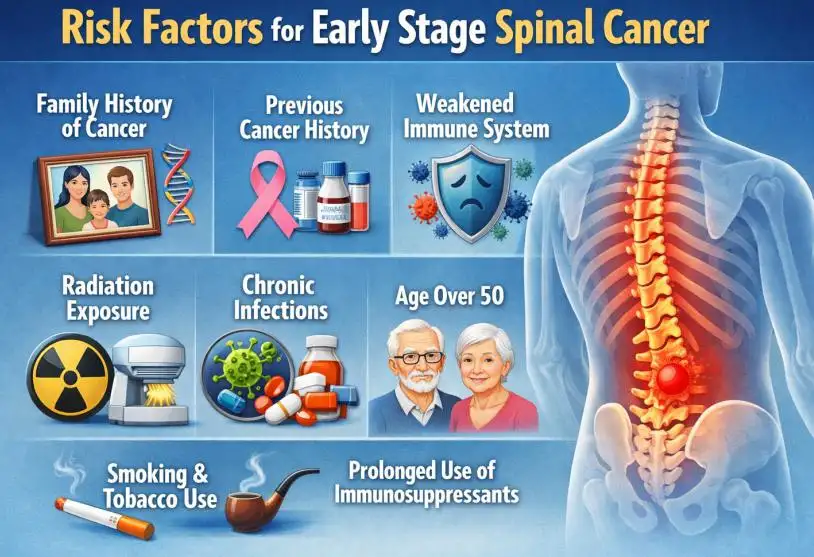
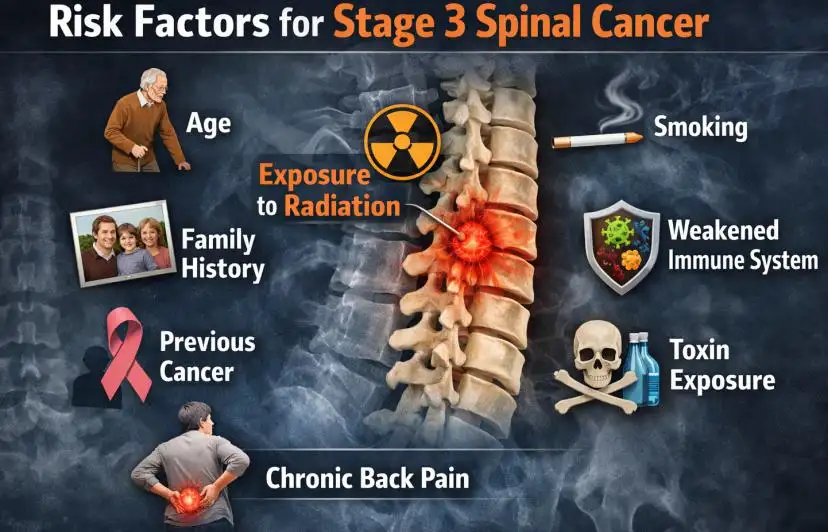
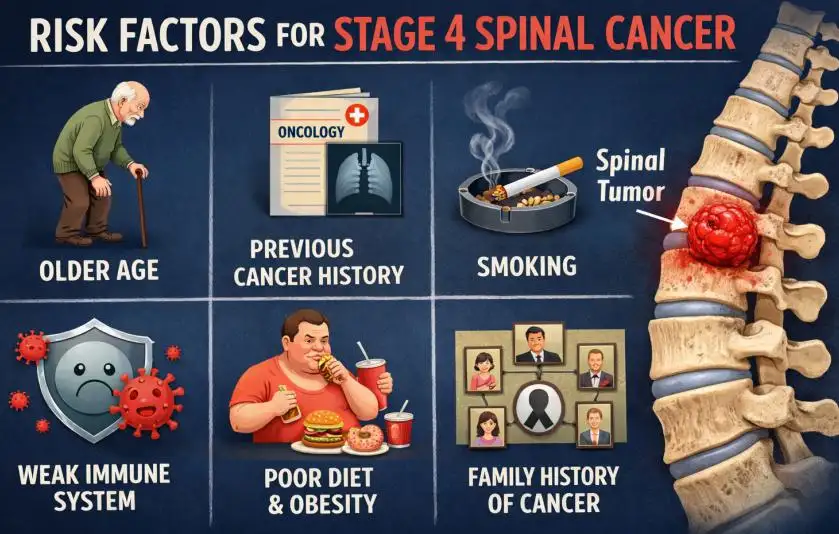
There is no single cause of spinal cancer, but several risk factors may increase the likelihood of developing advanced disease.
Common Causes and Risk Factors
-
History of cancer elsewhere in the body
-
Genetic mutations and inherited cancer syndromes
-
Exposure to radiation or toxic chemicals
-
Smoking and excessive alcohol use
-
Weak immune system
-
Advanced age
Understanding these factors can help in early detection and prevention strategies.
Symptoms and Early Warning Signs
Symptoms of stage 4 spinal cancer often worsen as the disease progresses. Early recognition can help patients seek timely medical attention.
Common Symptoms
-
Persistent back or neck pain
-
Numbness or weakness in arms or legs
-
Difficulty walking or loss of balance
-
Loss of bladder or bowel control
-
Unexplained weight loss
-
Fatigue and weakness
Pain that worsens at night or does not improve with rest is a critical warning sign that should not be ignored.
Diagnosis
Accurate diagnosis is essential for determining treatment options and estimating stage 4 spinal cancer life expectancy.
Diagnostic Methods
-
MRI and CT scans to visualize spinal tumors
-
PET scans to detect cancer spread
-
Bone scans to assess skeletal involvement
-
Biopsy to confirm cancer type
-
Blood tests to evaluate overall health and tumor markers
Doctors use these tools together to create a personalized treatment plan.
Treatment Options
Treatment for stage 4 spinal cancer aims to control symptoms, slow disease progression, and improve quality of life.
Common Treatment Approaches
| Treatment Option | Purpose |
|---|---|
| Surgery | Stabilize the spine and relieve pressure on nerves |
| Radiation Therapy | Reduce tumor size and manage pain |
| Chemotherapy | Target cancer cells throughout the body |
| Targeted Therapy | Attack specific cancer pathways |
| Immunotherapy | Boost the immune system to fight cancer |
| Pain Management | Improve comfort and daily functioning |
Often, a combination of treatments is used to achieve the best possible outcomes.
Prevention and Lifestyle Recommendations
Although not all cases can be prevented, adopting healthy habits can reduce cancer risk and improve treatment response.
Practical Recommendations
-
Maintain a balanced diet rich in fruits and vegetables
-
Engage in regular physical activity as tolerated
-
Avoid smoking and limit alcohol intake
-
Manage stress through meditation or counseling
-
Attend regular health check-ups
-
Follow prescribed treatment plans closely
These lifestyle changes can positively influence overall well-being and survival outcomes.
Prognosis and Survival Rates
The prognosis for stage 4 spinal cancer varies widely. Stage 4 spinal cancer life expectancy depends on multiple factors such as cancer type, extent of metastasis, and treatment response.
General Survival Estimates
| Factor | Impact on Life Expectancy |
|---|---|
| Early detection | Improves survival chances |
| Type of primary cancer | Influences treatment success |
| Overall health | Affects recovery and resilience |
| Treatment response | Determines disease control |
On average, survival may range from several months to a few years. However, some patients live longer with advanced treatment and comprehensive care.
Latest Research and Innovations
Medical research continues to improve outcomes for advanced spinal cancer patients.
Key Innovations
-
Precision medicine based on genetic profiling
-
Advanced radiation techniques like stereotactic radiosurgery
-
New immunotherapy drugs
-
Minimally invasive surgical procedures
-
AI-assisted imaging for early detection
These developments offer new hope and improved quality of life for patients facing advanced disease.
Coping and Support for Patients
A stage 4 spinal cancer diagnosis can be emotionally and physically overwhelming. Support systems play a crucial role in recovery and emotional stability.
Support Strategies
-
Join cancer support groups
-
Seek professional counseling
-
Communicate openly with family and caregivers
-
Use palliative care services
-
Focus on achievable daily goals
Emotional well-being is just as important as physical treatment.
Conclusion
Understanding stage 4 spinal cancer life expectancy helps patients and families prepare for the journey ahead. While the diagnosis is serious, modern treatments and supportive care have significantly improved outcomes and quality of life. Every patient’s experience is unique, and hope remains an essential part of the healing process.
By staying informed, working closely with healthcare providers, and maintaining a supportive environment, patients can navigate this challenging phase with greater confidence and resilience.
FAQ
1. What is the average stage 4 spinal cancer life expectancy?
Life expectancy varies depending on cancer type, spread, and treatment response. Some patients live months, while others may survive several years with proper care.
2. Can stage 4 spinal cancer be cured?
In most cases, stage 4 spinal cancer is not considered curable, but treatments can help control the disease and improve quality of life.
3. Does treatment improve survival rates?
Yes, advanced treatments such as targeted therapy and immunotherapy can significantly improve survival outcomes and symptom management.
4. Is spinal cancer always painful?
Pain is common but not universal. Proper pain management and therapy can greatly reduce discomfort.
5. How can patients improve their quality of life?
Maintaining a healthy lifestyle, following medical advice, seeking emotional support, and using palliative care services can greatly enhance daily living.