Tarceva Lung Cancer: Uses, Benefits, Side Effects, and Survival Outlook Explained
Tarceva lung cancer treatment has become an important topic in modern oncology, especially for patients diagnosed with non-small cell lung cancer (NSCLC). As targeted therapy continues to evolve, medications like Tarceva have changed how doctors approach certain types of lung cancer, offering more personalized and effective options compared to traditional chemotherapy.
If you or a loved one has been prescribed Tarceva, understanding how it works, who benefits most from it, and what outcomes to expect is essential. In this comprehensive guide, we’ll explore everything you need to know about Tarceva lung cancer therapy, from causes and diagnosis to treatment options, prognosis, and the latest research innovations.
Overview of Tarceva Lung Cancer Treatment
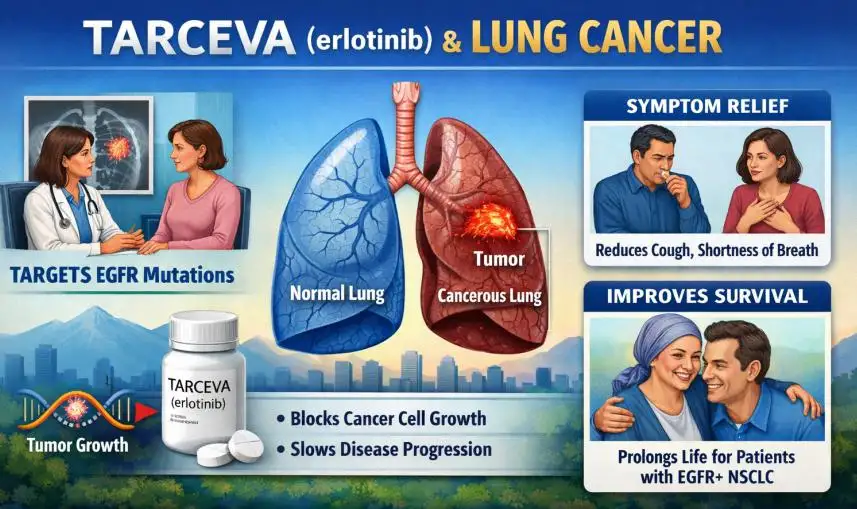
Tarceva is the brand name for erlotinib, a targeted therapy drug used primarily to treat certain types of non-small cell lung cancer. It belongs to a class of medications known as epidermal growth factor receptor (EGFR) inhibitors.
Tarceva works by blocking the activity of EGFR, a protein that helps cancer cells grow and divide. In patients whose tumors carry specific EGFR mutations, Tarceva can significantly slow cancer progression.
Tarceva is commonly prescribed for:
-
Advanced or metastatic non-small cell lung cancer
-
Patients with confirmed EGFR mutations
-
Individuals who cannot tolerate standard chemotherapy
Unlike traditional chemotherapy, Tarceva specifically targets cancer cell pathways, often resulting in fewer systemic side effects.
Types of Lung Cancer Treated with Tarceva
Tarceva lung cancer therapy is mainly used for:
1. Non-Small Cell Lung Cancer (NSCLC)
Non-Small Cell Lung Cancer accounts for about 85% of all lung cancer cases. Tarceva is particularly effective in NSCLC patients with EGFR mutations.
2. EGFR-Mutated Lung Cancer
Patients whose tumors test positive for EGFR gene mutations respond best to Tarceva. These mutations are more common in:
-
Non-smokers
-
Women
-
Patients of Asian descent
Tarceva is not typically used for small cell lung cancer (SCLC).
Causes and Risk Factors
While Tarceva lung cancer therapy targets genetic mutations, understanding the underlying causes of lung cancer is essential.
Common Causes of Lung Cancer
-
Smoking (primary cause)
-
Secondhand smoke exposure
-
Radon gas exposure
-
Air pollution
-
Occupational exposure (asbestos, chemicals)
-
Genetic mutations such as EGFR alterations
Risk Factors for EGFR-Mutated NSCLC
| Risk Factor | Impact on EGFR Mutation Likelihood |
|---|---|
| Non-smoker status | Higher likelihood |
| Female gender | Slightly higher risk |
| Asian ethnicity | Higher prevalence |
| Family history | Moderate influence |
Not all lung cancer patients are eligible for Tarceva; molecular testing is necessary.
Symptoms and Early Warning Signs
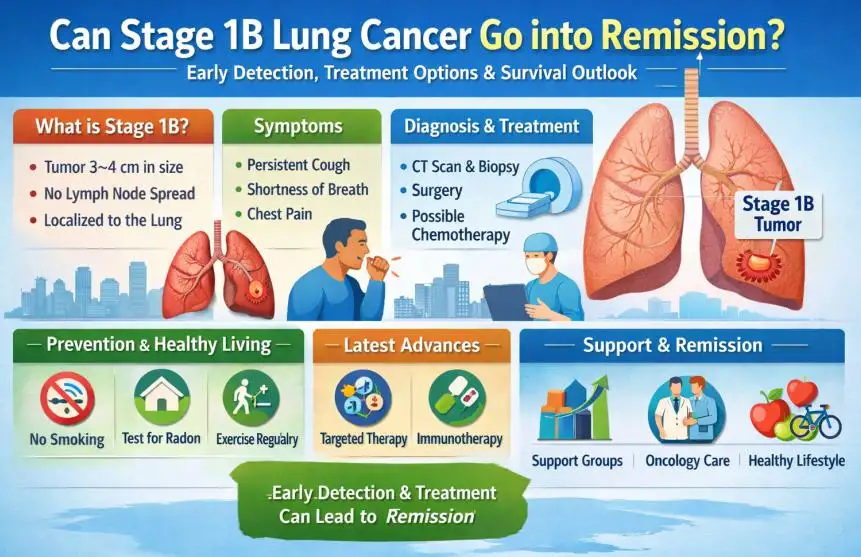
Symptoms of lung cancer may develop gradually. Early detection improves treatment outcomes.
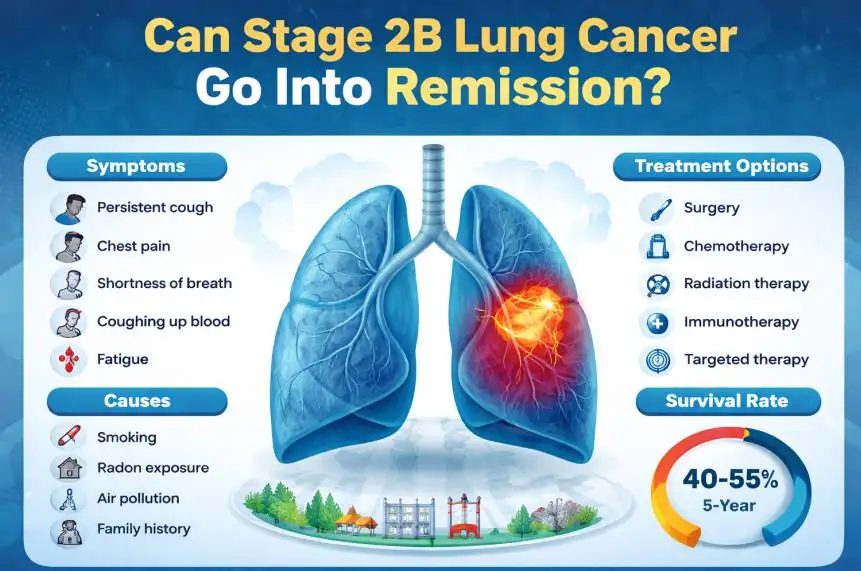
Common symptoms include:
-
Persistent cough
-
Shortness of breath
-
Chest pain
-
Unexplained weight loss
-
Fatigue
-
Coughing up blood
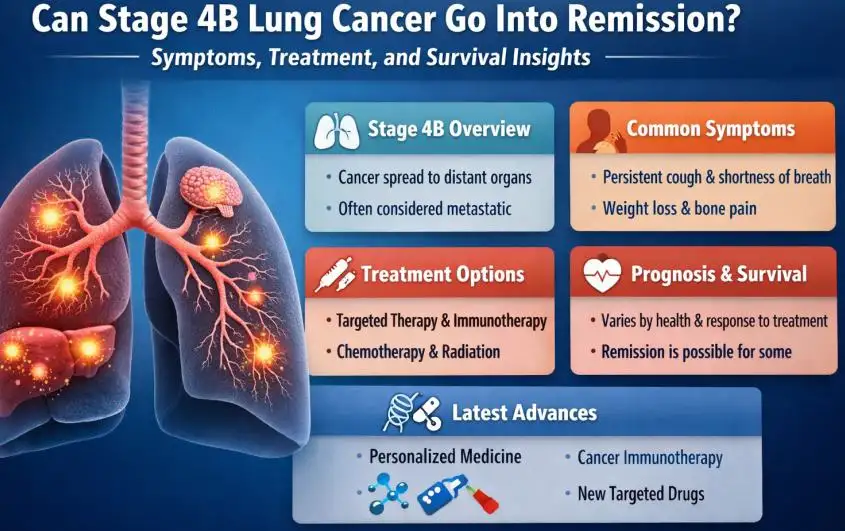
Advanced stages may cause:
-
Bone pain
-
Headaches (if cancer spreads to the brain)
-
Swelling in the face or neck
If you experience persistent respiratory symptoms, consult a healthcare provider promptly.
Diagnosis of Tarceva-Eligible Lung Cancer
Before prescribing Tarceva lung cancer therapy, doctors perform several diagnostic tests:
1. Imaging Tests
-
Chest X-ray
-
CT scan
-
PET scan
2. Biopsy
A tissue sample confirms cancer type.
3. Molecular Testing
Testing for EGFR mutations determines eligibility for Tarceva.
Without confirmed EGFR mutation, Tarceva is generally not recommended.
Treatment Options for Tarceva Lung Cancer
Tarceva may be used alone or in combination with other therapies.
Treatment Comparison Table
| Treatment Type | Purpose | Suitable For |
|---|---|---|
| Tarceva (Erlotinib) | Targeted EGFR inhibition | EGFR-mutated NSCLC |
| Chemotherapy | Kills rapidly dividing cells | Various lung cancers |
| Immunotherapy | Stimulates immune response | Advanced NSCLC |
| Radiation therapy | Local tumor control | Early or palliative care |
| Surgery | Tumor removal | Early-stage NSCLC |
How Tarceva Is Taken
-
Oral tablet
-
Once daily
-
Taken on an empty stomach
Common Side Effects
-
Skin rash (very common)
-
Diarrhea
-
Loss of appetite
-
Fatigue
-
Dry skin
In rare cases, serious lung inflammation (interstitial lung disease) may occur.
Prevention and Lifestyle Recommendations
While Tarceva lung cancer therapy treats existing cancer, prevention remains crucial.
Lung Cancer Prevention Tips
-
Quit smoking immediately
-
Avoid secondhand smoke
-
Test home for radon
-
Use protective equipment in hazardous workplaces
-
Maintain a healthy diet rich in antioxidants
-
Exercise regularly
For patients on Tarceva:
-
Protect skin from sun exposure
-
Stay hydrated
-
Report side effects early
Prognosis and Survival Rates
Prognosis varies depending on cancer stage and mutation type.
Patients with EGFR mutations treated with Tarceva often experience:
-
Longer progression-free survival
-
Improved symptom control
-
Better quality of life compared to chemotherapy alone
However, resistance to Tarceva can develop over time. In such cases, alternative targeted therapies may be considered.
Survival outcomes depend on:
-
Stage at diagnosis
-
Overall health
-
Response to therapy
-
Presence of additional mutations
Latest Research and Innovations
Advances in lung cancer treatment continue to improve outcomes.
Second- and Third-Generation EGFR Inhibitors
Drugs like Tagrisso have shown improved effectiveness in patients who develop resistance to Tarceva.
Research areas include:
-
Combination therapies
-
Liquid biopsy monitoring
-
Personalized treatment sequencing
-
Immunotherapy combinations
Clinical trials continue to explore ways to extend survival and reduce side effects.
Coping and Support for Patients
A lung cancer diagnosis can be overwhelming. Emotional and psychological support is just as important as medical treatment.
Support Strategies
-
Join lung cancer support groups
-
Work with oncology social workers
-
Seek mental health counseling
-
Stay connected with family and friends
-
Consider palliative care when needed
Open communication with your healthcare team ensures better symptom management and improved quality of life.
Conclusion
Tarceva lung cancer treatment represents a major advancement in targeted therapy for non-small cell lung cancer patients with EGFR mutations. By blocking cancer growth at the molecular level, Tarceva offers improved progression-free survival and symptom relief compared to traditional chemotherapy.
If you are considering Tarceva as part of your lung cancer treatment plan, speak with your oncologist about genetic testing and personalized therapy options. Early diagnosis, targeted treatment, and supportive care together provide the best possible outcome.
FAQ About Tarceva Lung Cancer
1. What is Tarceva used for in lung cancer?
Tarceva is used to treat advanced non-small cell lung cancer with EGFR mutations.
2. How effective is Tarceva for lung cancer?
It significantly improves progression-free survival in EGFR-positive NSCLC patients.
3. Can Tarceva cure lung cancer?
Tarceva does not typically cure advanced lung cancer but can control disease progression.
4. What are the most common side effects?
Skin rash and diarrhea are the most common side effects.
5. What happens if Tarceva stops working?
Doctors may switch to newer EGFR inhibitors like Tagrisso or consider combination therapy.