Type of Cancer in Dogs: Complete Guide to Symptoms, Treatment, and Prevention

Cancer is one of the most common serious health conditions affecting dogs, especially as they age. Understanding the type of cancer in dogs is crucial for early detection, effective treatment, and improving quality of life. Many pet owners feel overwhelmed when faced with a cancer diagnosis, but knowledge is a powerful tool that can help you make informed decisions for your dog’s health.
This comprehensive guide is designed to help you understand the type of cancer in dogs, from causes and symptoms to diagnosis, treatment options, and ongoing support. Whether you are a concerned dog owner or simply looking to learn more, this article will walk you through everything you need to know in a clear and compassionate way.
Overview
The term type of cancer in dogs refers to abnormal and uncontrolled cell growth that can develop in various tissues and organs. Similar to humans, canine cancer can be benign (non-spreading) or malignant (aggressive and spreading). Early diagnosis plays a critical role in successful treatment outcomes and long-term survival.
Cancer in dogs can affect nearly any part of the body, including the skin, bones, blood, and internal organs. While some cancers grow slowly, others progress rapidly, making regular veterinary checkups essential.
Types
There are many forms of the type of cancer in dogs, each with different characteristics and treatment approaches.
| Common Type of Cancer in Dogs | Affected Area | Typical Behavior |
|---|---|---|
| Lymphoma | Lymph nodes, spleen | Fast-growing |
| Mast Cell Tumors | Skin | Variable aggressiveness |
| Osteosarcoma | Bones | Highly aggressive |
| Hemangiosarcoma | Spleen, heart | Rapid spread |
| Melanoma | Mouth, skin | Often malignant |
Understanding which type of cancer in dogs is present helps veterinarians tailor treatment plans effectively.
Causes and Risk Factors
The exact cause of a type of cancer in dogs is often unknown, but several risk factors increase susceptibility:
-
Advanced age
-
Genetic predisposition and breed-specific risks
-
Exposure to environmental toxins
-
Obesity and poor diet
-
Chronic inflammation or infections
Large breeds, for example, are more prone to bone-related cancers, while certain smaller breeds have higher risks of specific tumor types.
Symptoms and Early Warning Signs
Early detection of a type of cancer in dogs significantly improves treatment success. Common warning signs include:
-
Unexplained weight loss
-
Lumps or swelling that grow over time
-
Loss of appetite
-
Lethargy or reduced activity
-
Persistent coughing or difficulty breathing
-
Abnormal bleeding or discharge
If you notice any of these symptoms, consult your veterinarian promptly.
Diagnosis
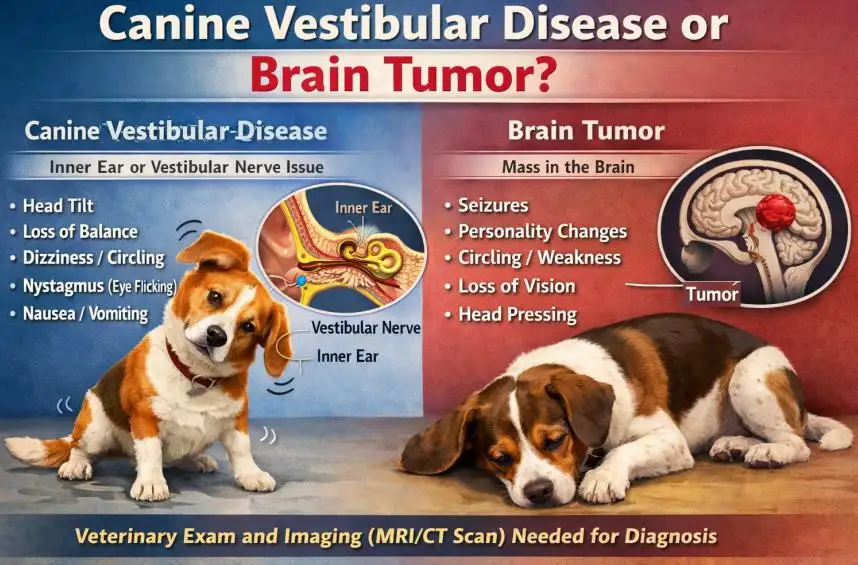
Diagnosing the type of cancer in dogs usually involves a combination of physical exams, imaging, and laboratory tests.
| Diagnostic Method | Purpose |
|---|---|
| Fine-needle aspiration | Initial tumor evaluation |
| Biopsy | Confirm cancer type |
| X-rays / Ultrasound | Detect spread |
| Blood tests | Assess overall health |
Accurate diagnosis is essential to determine the stage and severity of the disease.
Treatment Options
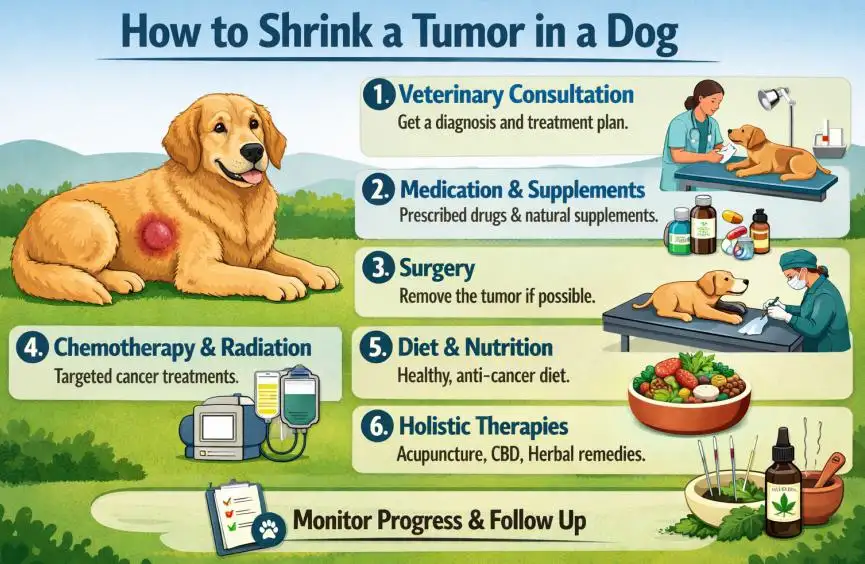
Treatment for a type of cancer in dogs depends on the cancer type, stage, and the dog’s overall health.
-
Surgery to remove tumors
-
Chemotherapy to slow or stop cancer growth
-
Radiation therapy for localized tumors
-
Immunotherapy and targeted treatments
-
Palliative care to improve comfort
Veterinarians often combine treatments to achieve the best possible outcome.
Prevention and Lifestyle Recommendations
While not all cases can be prevented, certain steps may reduce the risk of a type of cancer in dogs:
-
Maintain a healthy weight
-
Provide a balanced, high-quality diet
-
Ensure regular veterinary checkups
-
Minimize exposure to toxins
-
Spay or neuter when recommended
Healthy lifestyle choices can support long-term wellbeing and early detection.
Prognosis and Survival Rates
The prognosis for a type of cancer in dogs varies widely based on the cancer form and stage at diagnosis.
| Cancer Stage | General Prognosis |
|---|---|
| Early-stage | Favorable with treatment |
| Mid-stage | Manageable with combined therapies |
| Advanced-stage | Focus on quality of life |
Many dogs respond well to treatment and can enjoy months or years of good quality life.
Latest Research and Innovations
Advances in veterinary oncology are improving outcomes for dogs with cancer. Innovations related to the type of cancer in dogs include:
-
Personalized medicine and genetic testing
-
Advanced imaging technologies
-
New chemotherapy protocols with fewer side effects
-
Immunotherapy and vaccine-based treatments
Ongoing research continues to enhance survival rates and comfort.
Coping and Support for Patients
Caring for a dog diagnosed with a type of cancer in dogs can be emotionally challenging. Support strategies include:
-
Open communication with your veterinarian
-
Pain management and comfort-focused care
-
Emotional support for both pets and owners
-
Joining pet cancer support communities
Your presence, love, and care play a vital role in your dog’s wellbeing.
Conclusion
Understanding the type of cancer in dogs empowers pet owners to act quickly, choose appropriate treatments, and provide compassionate care. While a cancer diagnosis is never easy, early detection, modern treatments, and supportive care can significantly improve outcomes and quality of life for dogs.
By staying informed and proactive, you can make a meaningful difference in your dog’s health journey.
FAQ
1. What is the most common type of cancer in dogs?
Lymphoma and skin tumors are among the most frequently diagnosed forms.
2. Can dogs survive cancer?
Yes, many dogs live long and fulfilling lives with proper treatment and monitoring.
3. Is cancer in dogs preventable?
Not entirely, but healthy lifestyle choices and regular veterinary visits can reduce risk.
4. Does cancer treatment cause pain in dogs?
Modern treatments focus on minimizing discomfort and maintaining quality of life.
5. When should I see a vet about possible cancer symptoms?
Immediately, especially if symptoms persist or worsen over time.