What Is Fungating Breast Cancer? Symptoms, Causes, Treatment, and Patient Care Guide

What is fungating breast cancer? This is a question many people ask when they encounter the term during a diagnosis or while researching advanced breast cancer conditions. Fungating breast cancer refers to a rare and severe presentation of breast cancer where the tumor grows through the skin, creating an open wound or ulcerated mass. Although it can be distressing to see or experience, understanding the condition helps patients and caregivers make informed decisions about treatment and supportive care.
In this article, we will explore what fungating breast cancer is, why it occurs, and how it is managed. By learning about symptoms, treatment options, prognosis, and supportive strategies, readers can better understand the medical and emotional aspects of this condition. Whether you are seeking information for yourself or a loved one, this guide aims to provide clear, compassionate, and medically grounded information.
Overview
Fungating breast cancer is not a separate type of breast cancer but rather a complication or advanced stage of breast cancer where the tumor breaks through the skin surface. The term “fungating” describes the appearance of the lesion, which may resemble a mushroom-like or ulcerated growth.
This condition typically develops when breast cancer progresses locally and is not treated early, although it may also occur despite treatment in aggressive cancers. Fungating wounds can cause pain, bleeding, infection, odor, and emotional distress, making comprehensive medical and supportive care essential.
Healthcare providers focus on controlling symptoms, managing infection, improving quality of life, and treating the underlying cancer through systemic therapies or local interventions.
Types
Fungating breast cancer can present in several forms depending on tumor growth and tissue involvement:
| Type | Description |
|---|---|
| Ulcerative type | Open sores with tissue breakdown and discharge |
| Proliferative type | Raised, cauliflower-like tumor growth |
| Mixed type | Combination of ulceration and outward tumor growth |
The classification mainly helps guide wound management and symptom control rather than defining a separate cancer category.
Causes and Risk Factors
Fungating breast cancer occurs when cancer cells grow uncontrollably and invade surrounding tissues, eventually breaking through the skin. Several factors increase the risk of developing this condition:
| Risk Factor | Explanation |
|---|---|
| Delayed diagnosis | Cancer progresses untreated for extended periods |
| Aggressive tumor biology | Fast-growing or treatment-resistant cancers |
| Limited access to healthcare | Late-stage presentation due to screening barriers |
| Recurrent breast cancer | Cancer returning after initial treatment |
| Advanced-stage disease | Local tumor growth beyond breast tissue |
Organizations such as World Health Organization emphasize the importance of early detection through screening and awareness to reduce advanced breast cancer complications.
Symptoms and Early Warning Signs
Recognizing early symptoms is crucial for timely medical intervention. Common signs include:
-
A visible mass breaking through the skin
-
Persistent breast wound that does not heal
-
Bleeding or discharge from the tumor
-
Foul odor due to infection or tissue breakdown
-
Pain or tenderness in the affected area
-
Swelling of the breast or nearby lymph nodes
-
Skin discoloration or thickening
Early warning signs of breast cancer before fungation may include a lump, skin dimpling, nipple changes, or unexplained breast pain.
Diagnosis
Diagnosis involves evaluating both the breast cancer and the wound itself. Doctors typically use:
| Diagnostic Method | Purpose |
|---|---|
| Physical examination | Assess tumor size and wound condition |
| Biopsy | Confirm cancer type and characteristics |
| Imaging tests (mammogram, ultrasound, MRI) | Determine cancer spread |
| CT or PET scans | Evaluate metastasis |
Cancer staging helps determine whether treatment will focus on cure, disease control, or palliative care.
Treatment Options
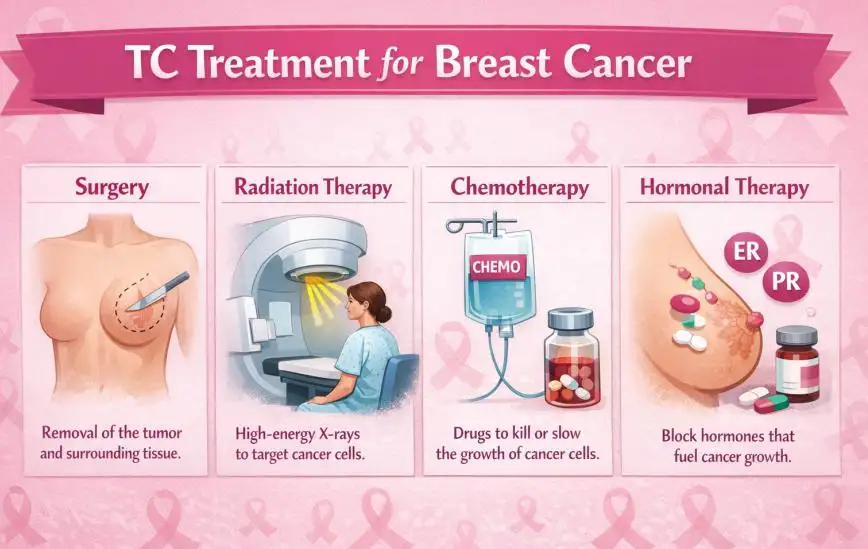
Treatment for fungating breast cancer aims to manage both the cancer and the wound symptoms. A multidisciplinary approach is often required.
| Treatment | Purpose |
|---|---|
| Chemotherapy | Shrinks tumor and slows progression |
| Hormone therapy | Used for hormone receptor-positive cancers |
| Targeted therapy | Attacks specific cancer cell pathways |
| Radiation therapy | Reduces tumor size and bleeding |
| Surgery | Selected cases where removal is possible |
| Wound care management | Controls infection, odor, and discomfort |
Guidelines from organizations such as the American Cancer Society highlight the importance of individualized treatment planning based on overall health and cancer stage.
Prevention and Lifestyle Recommendations
While fungating breast cancer itself cannot always be prevented, early detection significantly reduces risk. Recommended strategies include:
-
Regular breast self-awareness and screening
-
Attending scheduled mammograms
-
Seeking medical evaluation for breast changes promptly
-
Maintaining a healthy weight
-
Avoiding tobacco use
-
Following prescribed cancer treatments consistently
Healthy lifestyle habits support overall well-being and may improve treatment tolerance.
Prognosis and Survival Rates
Prognosis depends largely on the stage of breast cancer, overall health, and response to treatment. Fungating breast cancer often indicates locally advanced or metastatic disease, which may affect long-term survival.
However, survival outcomes vary widely. Some patients respond well to systemic therapy that shrinks tumors and improves symptoms significantly. The primary goal in many cases is improving quality of life, reducing complications, and controlling disease progression.
Latest Research and Innovations
Recent advances in breast cancer treatment are improving outcomes for patients with advanced disease. These include:
-
Immunotherapy approaches targeting cancer cells
-
Improved targeted therapies for HER2-positive cancers
-
Advanced wound care dressings that reduce odor and infection
-
Personalized medicine based on genetic tumor profiling
Research institutions and oncology centers worldwide continue to explore therapies that both extend survival and enhance comfort for patients with advanced breast cancer.
Coping and Support for Patients
Living with fungating breast cancer can be physically and emotionally challenging. Support plays a critical role in patient care.
Helpful strategies include:
-
Working with palliative care specialists
-
Accessing psychological counseling
-
Joining cancer support groups
-
Seeking guidance from oncology nurses trained in wound care
-
Involving family members or caregivers in care planning
Emotional reassurance, dignity in care, and symptom control are essential components of treatment.
Conclusion
Understanding what fungating breast cancer is helps reduce fear and uncertainty surrounding this complex condition. Although it represents an advanced stage of breast cancer, modern treatments and supportive care approaches can significantly improve comfort, symptom control, and quality of life. Early detection remains the most effective way to prevent severe complications, emphasizing the importance of awareness and timely medical care.
With proper medical support, compassionate care, and informed decision-making, patients and families can navigate the challenges of fungating breast cancer with greater confidence and understanding.
FAQ
1. What is fungating breast cancer?
Fungating breast cancer is an advanced form of breast cancer where the tumor breaks through the skin, forming an open or ulcerated wound.
2. Is fungating breast cancer curable?
In some cases, treatment can control or shrink the tumor, but cure depends on cancer stage and overall spread.
3. Does fungating breast cancer always mean terminal illness?
Not always. While often associated with advanced disease, outcomes vary depending on treatment response and individual health factors.
4. How is odor from a fungating tumor managed?
Specialized wound dressings, infection control, and medical treatments help reduce odor and improve comfort.
5. Can fungating breast cancer be prevented?
Early detection and timely treatment of breast cancer greatly reduce the risk of developing fungating wounds.