What Is the Most Dangerous Type of Cancer? Causes, Symptoms, Survival Rates, and Treatment Options

What is the most dangerous type of cancer? This is a common and deeply important question, especially for individuals seeking to understand cancer risks, survival rates, and available treatment options. While all cancers can be life-threatening, some types are particularly aggressive, difficult to detect early, and resistant to treatment.
In this comprehensive guide, we’ll explore what determines cancer severity, identify the most dangerous types of cancer worldwide, examine causes and risk factors, and review modern treatment innovations. By the end of this article, you will have a clearer understanding of cancer mortality risks and how prevention and early detection can significantly improve outcomes.
Overview: What Determines the Most Dangerous Type of Cancer?
When asking “what is the most dangerous type of cancer,” experts typically refer to cancers with:
-
High mortality rates
-
Late-stage diagnosis
-
Rapid progression
-
Limited treatment effectiveness
-
Low five-year survival rates
Dangerous does not always mean the most common. Some cancers are rare but highly aggressive, while others are common yet treatable when detected early. Mortality rate, rather than incidence rate, is often the key metric used to determine danger.
Globally, lung cancer consistently ranks as the leading cause of cancer-related deaths, making it widely recognized as the most dangerous type of cancer in terms of overall mortality.
Types of the Most Dangerous Cancers
Below is a comparison of cancers commonly considered the most dangerous based on global mortality data and five-year survival rates.
| Cancer Type | Why It’s Dangerous | Approximate 5-Year Survival Rate |
|---|---|---|
| Lung Cancer | Often detected late; aggressive spread | ~20% |
| Pancreatic Cancer | Minimal early symptoms; rapid progression | ~10% |
| Liver Cancer | Often linked to chronic disease; late diagnosis | ~18% |
| Esophageal Cancer | Aggressive and difficult to treat | ~20% |
| Brain Cancer (Glioblastoma) | Highly invasive; limited treatment success | <10% |
Among these, pancreatic cancer is often described as the deadliest in terms of survival rate, while lung cancer remains the leading cause of cancer deaths globally.
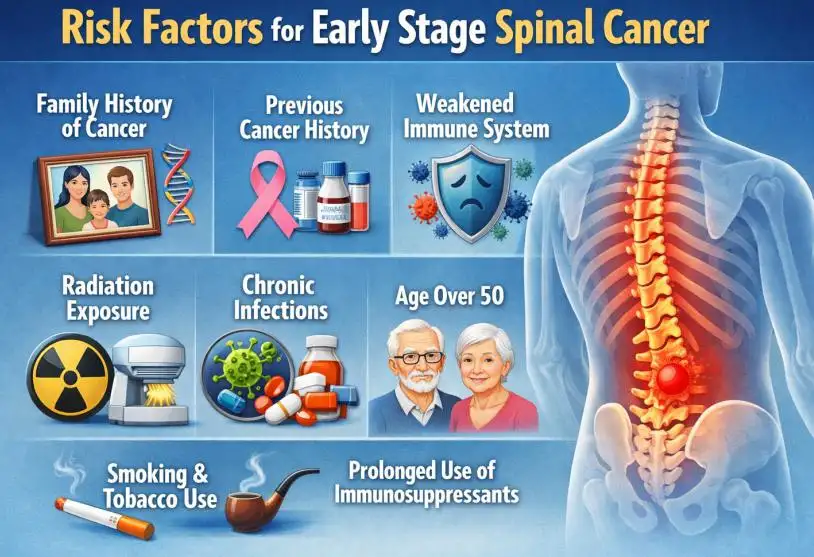
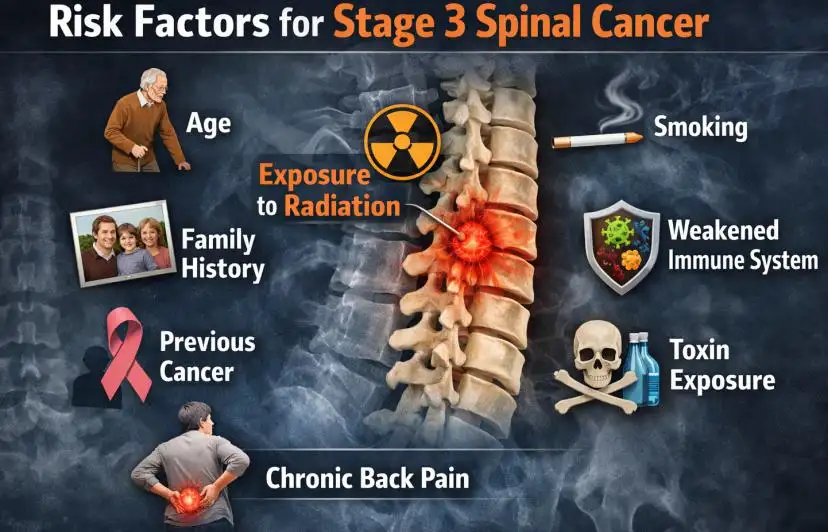
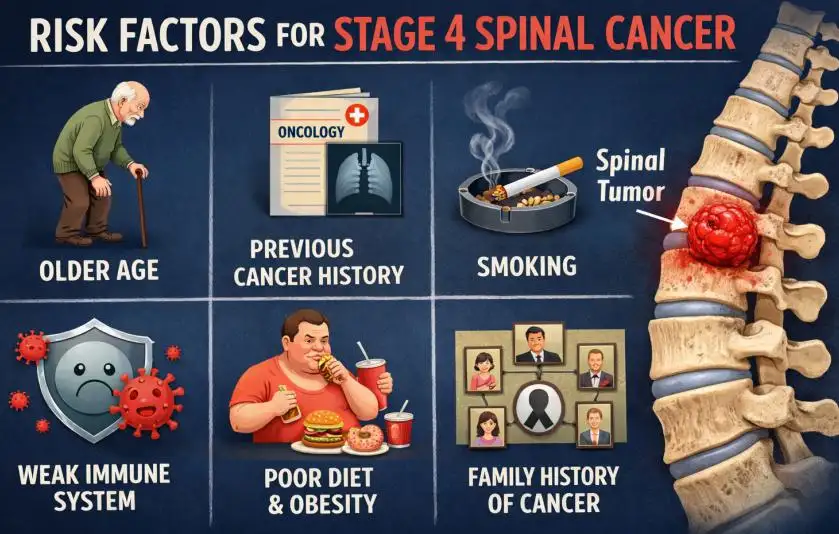
Causes and Risk Factors
Understanding risk factors helps answer not only what is the most dangerous type of cancer, but also why certain cancers are so deadly.
Common risk factors include:
Lifestyle Factors
-
Smoking (primary cause of lung cancer)
-
Excessive alcohol consumption
-
Poor diet
-
Obesity
-
Physical inactivity
Environmental Factors
-
Air pollution
-
Radiation exposure
-
Occupational carcinogens (asbestos, chemicals)
Medical and Genetic Factors
-
Chronic infections (Hepatitis B/C for liver cancer)
-
Family history of cancer
-
Genetic mutations (BRCA1, BRCA2)
-
Chronic inflammation
Smoking alone accounts for a significant percentage of lung cancer cases, reinforcing why lung cancer is considered one of the most dangerous cancers worldwide.
Symptoms and Early Warning Signs
One major reason certain cancers are so dangerous is the lack of early symptoms.
Common Warning Signs of Aggressive Cancers
-
Persistent cough or coughing up blood (lung cancer)
-
Unexplained weight loss
-
Persistent abdominal or back pain (pancreatic cancer)
-
Difficulty swallowing (esophageal cancer)
-
Jaundice (liver cancer)
-
Severe headaches or neurological changes (brain cancer)
Because many of these symptoms appear only in advanced stages, early detection remains a major challenge.
Diagnosis
Diagnosis typically involves:
-
Physical examination
-
Imaging tests (CT scan, MRI, PET scan)
-
Blood tests
-
Biopsy (definitive diagnosis)
-
Molecular and genetic testing
Early diagnosis significantly improves survival outcomes. Screening tools like low-dose CT scans for high-risk smokers have improved early detection rates for lung cancer.
Treatment Options
Treatment depends on cancer type, stage, and overall patient health.
Main Treatment Methods
| Treatment Type | Purpose |
|---|---|
| Surgery | Removes localized tumors |
| Chemotherapy | Kills rapidly dividing cancer cells |
| Radiation Therapy | Destroys cancer cells using high-energy rays |
| Immunotherapy | Boosts immune system to fight cancer |
| Targeted Therapy | Attacks specific cancer cell mutations |
| Palliative Care | Improves quality of life |
For aggressive cancers like pancreatic or advanced lung cancer, combination therapy is often required.
Prevention and Lifestyle Recommendations
While not all cancers are preventable, many risk factors are modifiable.
Prevention Strategies
-
Quit smoking
-
Limit alcohol consumption
-
Maintain a healthy weight
-
Eat a balanced diet rich in fruits and vegetables
-
Exercise regularly
-
Get vaccinated (HPV, Hepatitis B)
-
Participate in recommended screening programs
Lifestyle changes can dramatically reduce the risk of developing the most dangerous types of cancer.
Prognosis and Survival Rates
Survival rates vary widely depending on stage at diagnosis.
| Cancer Type | Early Stage Survival | Late Stage Survival |
|---|---|---|
| Lung Cancer | ~60% | <10% |
| Pancreatic Cancer | ~34% | <3% |
| Liver Cancer | ~35% | <5% |
Early detection can mean the difference between curative treatment and palliative care.
Latest Research and Innovations
Medical research is rapidly evolving, bringing hope even for the most aggressive cancers.
Promising Developments
-
Personalized medicine based on genetic profiling
-
Advanced immunotherapy (CAR-T cell therapy)
-
AI-assisted early detection
-
Liquid biopsy for earlier diagnosis
-
mRNA-based cancer vaccines
These innovations are transforming treatment strategies and improving survival rates for cancers once considered untreatable.
Coping and Support for Patients
A diagnosis of a dangerous cancer can be overwhelming. Emotional and psychological support is just as important as medical treatment.
Support options include:
-
Oncology counseling
-
Cancer support groups
-
Family therapy
-
Nutritional guidance
-
Palliative and hospice care
Holistic care improves quality of life and helps patients navigate treatment more effectively.
Conclusion
So, what is the most dangerous type of cancer? Statistically, lung cancer remains the deadliest worldwide due to its high mortality rate and late detection. However, pancreatic cancer is often considered the most lethal in terms of survival rate.
The key takeaway is this: early detection saves lives. While some cancers are aggressive and difficult to treat, advances in medical research continue to improve outcomes. By understanding risk factors, recognizing symptoms, and committing to preventive lifestyle choices, you can significantly reduce your risk.
Cancer remains a serious global health challenge, but knowledge, awareness, and early action are powerful tools in the fight against it.
FAQ
1. What is the most dangerous type of cancer overall?
Lung cancer is considered the most dangerous overall because it causes the highest number of cancer-related deaths globally.
2. Why is pancreatic cancer so deadly?
Pancreatic cancer often shows no early symptoms and is usually diagnosed at an advanced stage, resulting in very low survival rates.
3. Can the most dangerous cancers be prevented?
While not all cases are preventable, lifestyle changes such as quitting smoking, maintaining a healthy diet, and regular screenings significantly reduce risk.
4. Is early detection really that important?
Yes. Early-stage cancer has dramatically higher survival rates compared to late-stage diagnosis.
5. Are survival rates improving?
Yes. Advances in immunotherapy, targeted therapy, and personalized medicine are steadily improving outcomes for many aggressive cancers.