What to Expect in Stage 4 Lung Cancer: Symptoms, Treatment, Prognosis, and Support Guide

What to Expect in Stage 4 Lung Cancer is a question that many patients and families ask after receiving this life-changing diagnosis. Stage 4 lung cancer, also known as metastatic lung cancer, means the disease has spread beyond the lungs to other parts of the body. While this can feel overwhelming, understanding the condition, available treatments, and support options can empower patients to make informed decisions and improve quality of life.
In this comprehensive guide, we will explore what to expect in Stage 4 Lung Cancer, including symptoms, diagnostic procedures, treatment strategies, survival outlook, and emotional support. By staying informed and proactive, patients and caregivers can navigate this journey with greater confidence and clarity.
Overview
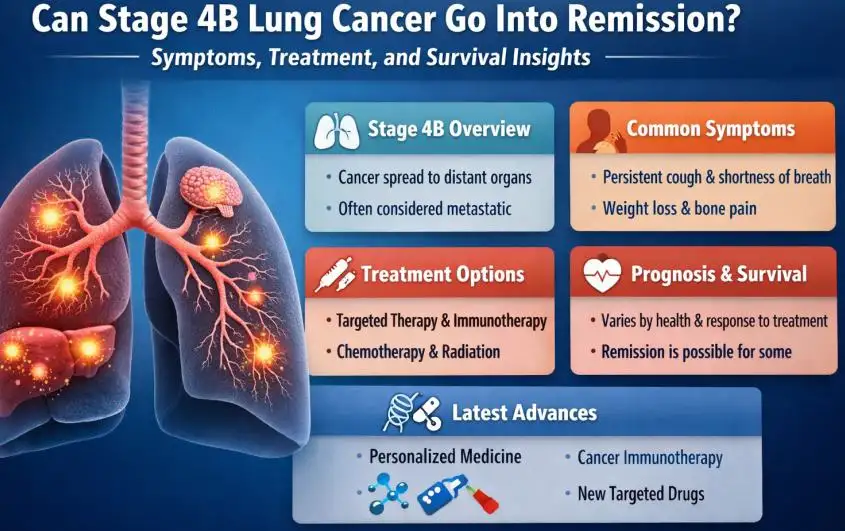
Stage 4 lung cancer is the most advanced stage of the disease. At this stage, cancer cells have spread (metastasized) to distant organs such as the brain, bones, liver, or adrenal glands, or to the opposite lung. The primary goal of treatment is not always a cure, but rather to control the disease, relieve symptoms, and improve or maintain quality of life.
Key characteristics of Stage 4 lung cancer include:
| Feature | Description |
|---|---|
| Cancer Spread | Beyond the original lung to distant organs |
| Treatment Focus | Disease control and symptom management |
| Curability | Rare, but long-term management is possible |
| Quality of Life | Central focus of care |
Understanding these aspects helps set realistic expectations and guides patients in choosing appropriate care options.
Types
There are two main types of lung cancer that can reach Stage 4:
| Type | Description | Common Features |
|---|---|---|
| Non-Small Cell Lung Cancer (NSCLC) | Accounts for about 80–85% of cases | Slower growth, more treatment options |
| Small Cell Lung Cancer (SCLC) | More aggressive and fast-growing | Often diagnosed at advanced stages |
Each type responds differently to treatments, which is why accurate classification is essential for personalized care.
Causes and Risk Factors
Several factors increase the likelihood of developing advanced lung cancer. Common causes and risk factors include:
-
Long-term tobacco smoking or secondhand smoke exposure
-
Environmental toxins such as asbestos and radon
-
Air pollution
-
Family history of lung cancer
-
Previous radiation therapy to the chest
While some risk factors can be controlled, others cannot. Early screening and lifestyle changes can reduce overall risk.
Symptoms and Early Warning Signs
Understanding what to expect in Stage 4 Lung Cancer often begins with recognizing symptoms. These may vary depending on where the cancer has spread.
Common symptoms include:
| Symptom | Possible Cause |
|---|---|
| Persistent cough | Lung irritation or tumor growth |
| Shortness of breath | Reduced lung function |
| Chest pain | Tumor pressure or inflammation |
| Fatigue | Body’s response to cancer |
| Unexplained weight loss | Metabolic changes |
| Bone pain | Cancer spread to bones |
| Headaches or dizziness | Brain metastases |
Symptoms may worsen over time, but proper symptom management can significantly improve comfort.
Diagnosis
Accurate diagnosis is crucial for determining treatment strategies. Doctors use several tools to confirm Stage 4 lung cancer, including:
-
Imaging tests such as CT scans, PET scans, and MRIs
-
Biopsy to confirm cancer type
-
Blood tests to evaluate overall health
-
Molecular testing to identify genetic mutations
These diagnostic steps help doctors tailor treatments and predict treatment responses.
Treatment Options
Treatment for Stage 4 lung cancer is personalized based on cancer type, genetic profile, and overall health. Common options include:
| Treatment Type | Purpose |
|---|---|
| Chemotherapy | Slows cancer growth |
| Targeted Therapy | Attacks specific genetic mutations |
| Immunotherapy | Boosts immune response |
| Radiation Therapy | Relieves symptoms and shrinks tumors |
| Palliative Care | Improves comfort and quality of life |
Many patients receive a combination of therapies to achieve the best possible outcome.
Prevention and Lifestyle Recommendations
Although Stage 4 lung cancer is advanced, healthy lifestyle habits can improve treatment outcomes and well-being. Recommendations include:
-
Quitting smoking immediately
-
Eating a balanced, nutrient-rich diet
-
Staying physically active within personal limits
-
Managing stress through relaxation techniques
-
Following prescribed treatment plans consistently
These steps can enhance energy levels and overall resilience.
Prognosis and Survival Rates
When discussing what to expect in Stage 4 Lung Cancer, prognosis is a common concern. Survival rates depend on many factors, including cancer type, treatment response, and overall health.
| Factor | Impact on Survival |
|---|---|
| Cancer type | NSCLC often has better outcomes |
| Treatment advancements | Improved survival over time |
| Early response to therapy | Better long-term outlook |
| General health | Stronger immune system supports recovery |
While the five-year survival rate is lower than earlier stages, medical advancements continue to improve outcomes and extend life expectancy.
Latest Research and Innovations
Ongoing research has transformed how Stage 4 lung cancer is treated. Some promising advancements include:
-
Personalized medicine using genetic profiling
-
Advanced immunotherapy combinations
-
Liquid biopsy for less invasive monitoring
-
AI-assisted imaging for early detection of changes
These innovations offer new hope and more precise treatment strategies.
Coping and Support for Patients
Living with Stage 4 lung cancer can be emotionally and physically challenging. Support systems play a vital role in maintaining mental well-being.
Helpful coping strategies include:
-
Joining support groups or counseling programs
-
Communicating openly with healthcare teams
-
Seeking help from family and friends
-
Practicing mindfulness and stress management techniques
Emotional support is just as important as medical treatment.
Conclusion
Understanding what to expect in Stage 4 Lung Cancer allows patients and families to approach the journey with knowledge and preparedness. While the diagnosis is serious, modern treatments, supportive care, and ongoing research have improved quality of life and survival outcomes. By staying informed, maintaining healthy habits, and accessing emotional support, patients can navigate this stage with strength and resilience.
FAQ
1. What to expect in Stage 4 Lung Cancer regarding daily life?
Patients may experience fatigue, breathing difficulties, and emotional stress. However, with proper treatment and support, many people maintain meaningful daily activities.
2. Is Stage 4 lung cancer curable?
A complete cure is rare, but many treatments can control the disease and extend life.
3. How long can someone live with Stage 4 lung cancer?
Life expectancy varies widely depending on treatment response and overall health. Some patients live several years with proper care.
4. What is the best treatment for Stage 4 lung cancer?
The best treatment depends on cancer type, genetic profile, and patient health. A personalized approach often yields the best results.
5. Can lifestyle changes improve outcomes?
Yes, quitting smoking, maintaining a healthy diet, and staying active can positively impact treatment effectiveness and quality of life.