Where Does Lung Cancer Spread? A Complete Guide to Metastasis, Symptoms, and Treatment

Where does lung cancer spread? This is one of the most common and important questions asked by patients and families after a diagnosis. Understanding how lung cancer spreads, which organs are most commonly affected, and what symptoms to watch for can make a significant difference in early detection and treatment planning.
Lung cancer is known for its ability to metastasize, or spread, to other parts of the body. In this comprehensive guide, we will explore the patterns of lung cancer spread, risk factors, diagnostic methods, available treatments, and the latest medical advances. By the end of this article, you will have a clear, practical understanding of how lung cancer behaves and what steps can help improve outcomes.
Overview
Lung cancer spread occurs when cancer cells break away from the original tumor in the lungs and travel to other parts of the body through the bloodstream or lymphatic system. This process is known as metastasis and is a key factor that determines cancer stage and treatment strategy.
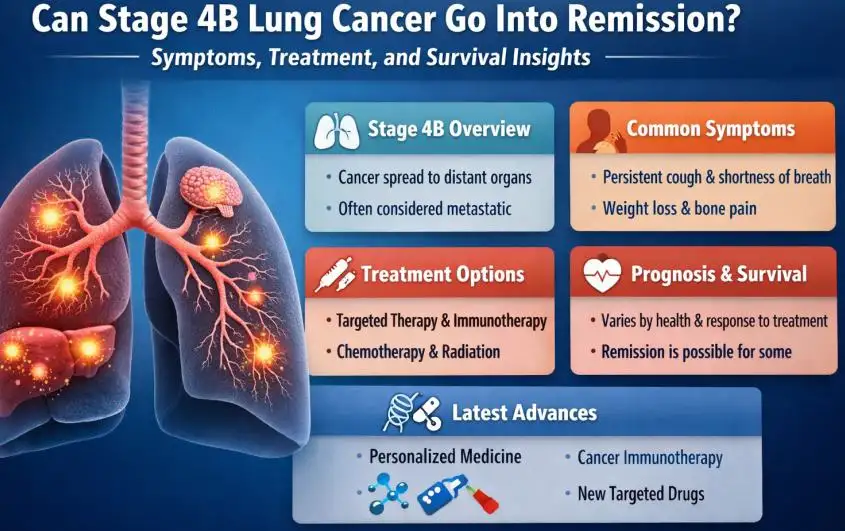
The most common areas where lung cancer spreads include the brain, bones, liver, adrenal glands, and lymph nodes. Once cancer reaches distant organs, it is classified as stage IV lung cancer, which requires specialized and often systemic treatment approaches.
Types of Lung Cancer
The type of lung cancer plays a major role in how quickly and where it spreads. The two main categories include:
| Lung Cancer Type | Characteristics | Spread Pattern |
|---|---|---|
| Non-Small Cell Lung Cancer (NSCLC) | Most common type, slower-growing | Often spreads to brain, bones, liver |
| Small Cell Lung Cancer (SCLC) | Aggressive, fast-growing | Early spread to brain and liver |
Non-small cell lung cancer accounts for approximately 80–85% of cases and tends to spread more gradually. Small cell lung cancer, although less common, is highly aggressive and often metastasizes early.
Causes and Risk Factors
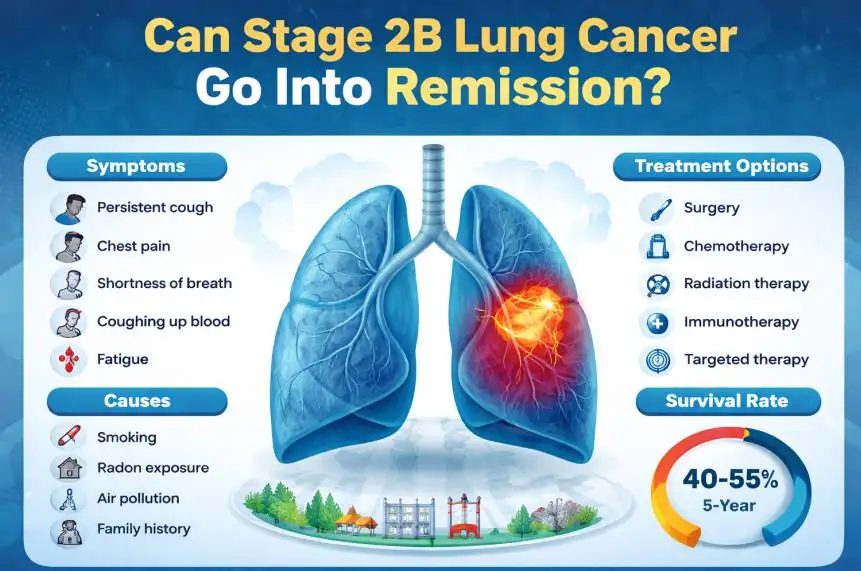
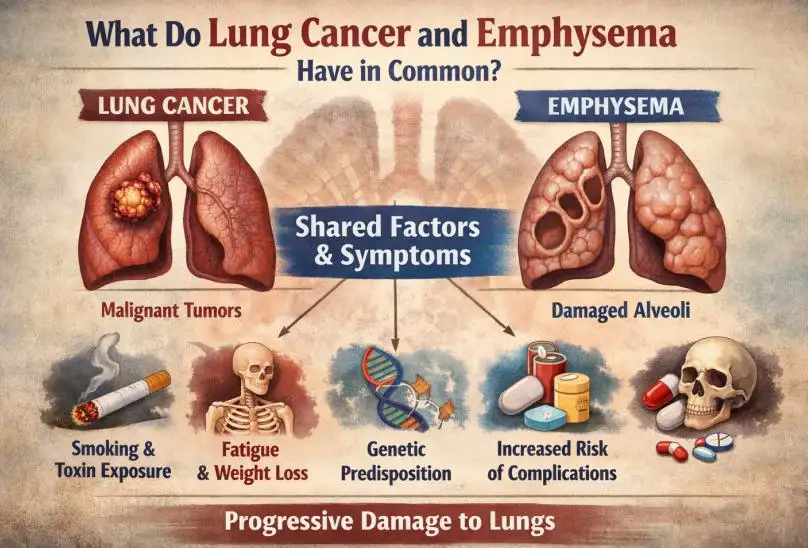
Several factors increase the likelihood of developing lung cancer and influence how it spreads:
-
Smoking and secondhand smoke exposure
-
Air pollution and occupational toxins such as asbestos
-
Genetic predisposition
-
Previous radiation therapy to the chest
-
Chronic lung diseases like COPD
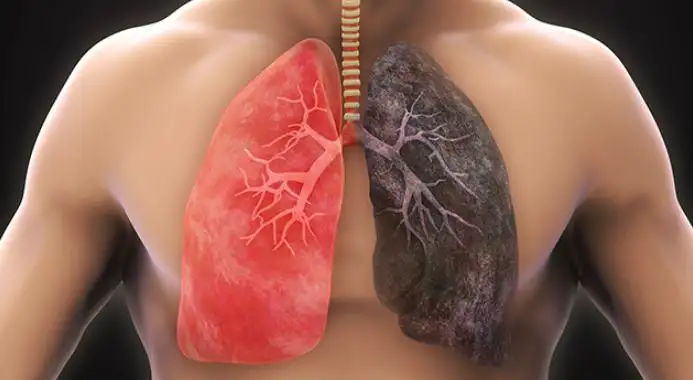
Smoking remains the leading cause of lung cancer worldwide, contributing to both tumor development and aggressive disease progression.
Symptoms and Early Warning Signs
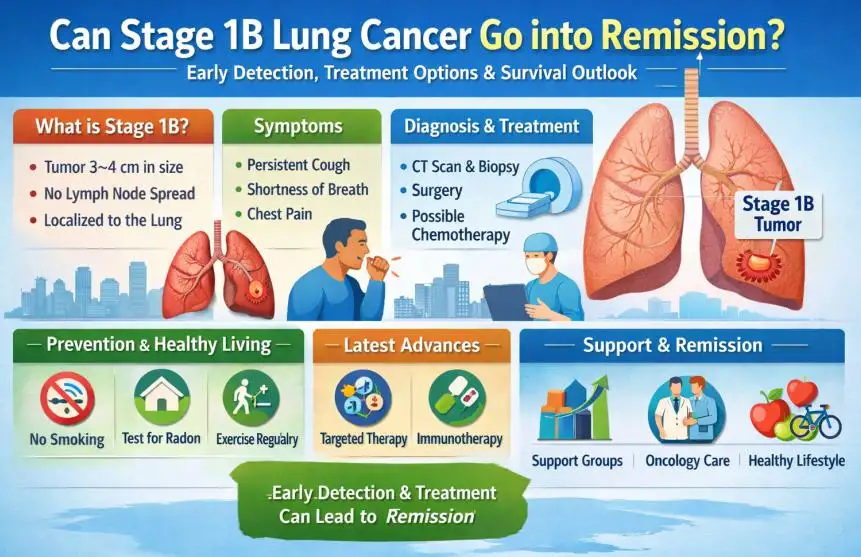
Symptoms of lung cancer spread vary depending on the organ affected. Recognizing early warning signs can lead to faster diagnosis and treatment.
| Area of Spread | Common Symptoms |
|---|---|
| Brain | Headaches, seizures, vision problems |
| Bones | Bone pain, fractures |
| Liver | Abdominal pain, jaundice, fatigue |
| Adrenal Glands | Hormonal imbalances, weakness |
| Lymph Nodes | Swelling in neck or chest |
General symptoms may include unexplained weight loss, persistent cough, shortness of breath, and fatigue.
Diagnosis
Diagnosing lung cancer metastasis involves a combination of imaging tests and laboratory procedures. Common diagnostic tools include:
-
CT scans and MRI scans
-
PET scans to detect active cancer cells
-
Biopsy to confirm cancer type and spread
-
Blood tests to assess organ function
Accurate staging helps doctors determine where lung cancer has spread and choose the most effective treatment plan.
Treatment Options
Treatment depends on the stage of cancer, spread location, and overall patient health. Common treatment approaches include:
-
Surgery for localized tumors
-
Chemotherapy to target cancer cells throughout the body
-
Radiation therapy for symptom relief and tumor control
-
Targeted therapy for specific genetic mutations
-
Immunotherapy to boost the immune system’s response
For advanced stages, a combination of treatments is often used to control disease progression and improve quality of life.
Prevention and Lifestyle Recommendations
Although not all lung cancer cases are preventable, several steps can reduce risk and support overall health:
-
Quit smoking and avoid secondhand smoke
-
Maintain a healthy diet rich in fruits and vegetables
-
Exercise regularly
-
Reduce exposure to environmental pollutants
-
Schedule regular health checkups if at high risk
Adopting a healthier lifestyle can also improve treatment outcomes and recovery.
Prognosis and Survival Rates
Prognosis depends on how far lung cancer has spread and how well the patient responds to treatment. Early-stage lung cancer has significantly higher survival rates compared to metastatic disease.
| Stage | Five-Year Survival Rate (Approximate) |
|---|---|
| Localized | 60–65% |
| Regional Spread | 30–35% |
| Distant Metastasis | 6–10% |
Advances in targeted therapy and immunotherapy continue to improve survival outcomes for many patients.
Latest Research and Innovations
Ongoing research is transforming lung cancer care. Key innovations include:
-
Liquid biopsy for early detection of metastasis
-
Personalized medicine based on genetic profiling
-
New immunotherapy combinations
-
AI-assisted imaging for more accurate diagnosis
These developments are helping doctors better predict where lung cancer spreads and tailor treatments to individual patients.
Coping and Support for Patients
Living with metastatic lung cancer can be emotionally and physically challenging. Support systems play a vital role in patient well-being:
-
Counseling and mental health support
-
Support groups for patients and caregivers
-
Palliative care for symptom management
-
Nutritional and rehabilitation services
Open communication with healthcare providers and loved ones can improve emotional resilience and quality of life.
Conclusion
Understanding where does lung cancer spread is essential for early detection, effective treatment, and better patient outcomes. Lung cancer most commonly spreads to the brain, bones, liver, adrenal glands, and lymph nodes, but early diagnosis and modern therapies offer hope and improved survival rates.
By staying informed, adopting healthy lifestyle habits, and seeking timely medical care, patients and families can take an active role in managing lung cancer and navigating the treatment journey with confidence.
FAQ
1. Where does lung cancer spread first?
Lung cancer often spreads first to nearby lymph nodes before reaching distant organs such as the brain, bones, and liver.
2. Can lung cancer spread without symptoms?
Yes, early metastasis may not cause noticeable symptoms, which is why imaging tests are crucial for accurate staging.
3. How fast does lung cancer spread?
The spread rate depends on cancer type. Small cell lung cancer spreads faster than non-small cell lung cancer.
4. Is metastatic lung cancer curable?
While metastatic lung cancer is usually not curable, advanced treatments can help control the disease and extend life.
5. What tests show where lung cancer has spread?
CT scans, PET scans, MRI scans, and biopsies are commonly used to identify metastasis and determine cancer stage.